Prevention

laminitis hooves, laminitis cleft coronary band, dished hoof laminitis, symptoms laminitis horses, laminitis horse stance, uc davis center for equine health

Is your horse at risk? Laminitis is damage and inflammation of the tissue between the hoof and the underlying coffin bone (distal phalanx, P3). This tissue, the laminae (also called lamellae), is actually folded layers of tissue contacting the surface of the bone on one side and the inside of the hoof wall on the other, connecting the two. Depending on how severely these attachments are weakened, the outcome can range from mild foot soreness to separation of the coffin bone and hoof (founder). The front hooves, which bear the majority of the horse’s weight, are most commonly affected, but it can also occur in the hind hooves.

wildfires horses, evacuating horses wildfires, horses injured fires

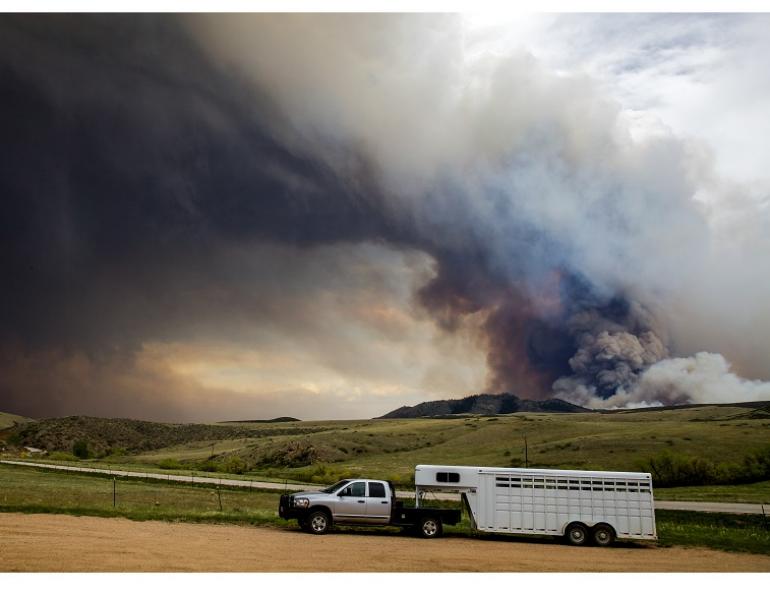
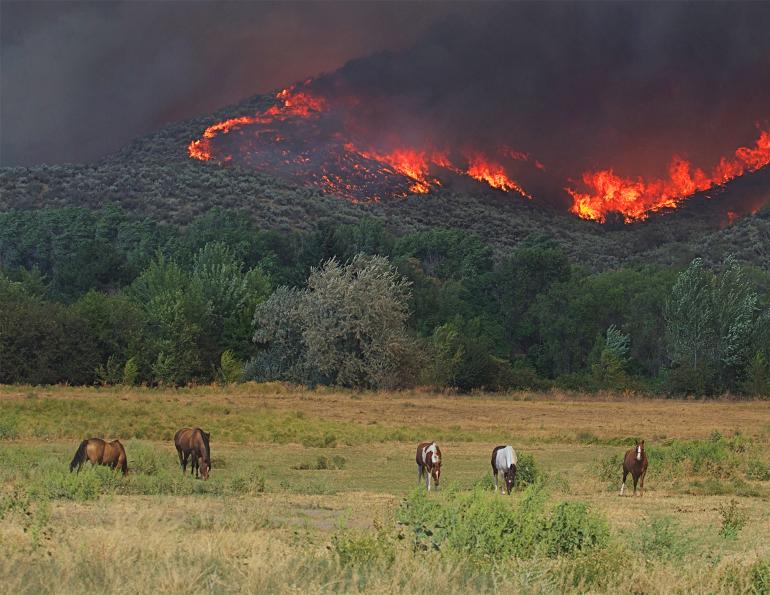
Worsening wildfires in recent seasons have left horses and people breathing polluted air filled with smoke and microscopic debris. These fine particles can settle in the lungs and airways, triggering irritation such as watery eyes, nasal drainage, and respiratory infections like bronchitis. They can also worsen pre-existing conditions like asthma, emphysema, congestive heart failure, and other lung or heart issues.

how much iron horse, shelagh niblock, iron overload equine, iron supplements horses

Equestrians who pay close attention to their horse’s feeding program may have noticed a growing conversation around iron levels in equine diets. Concerns about “iron overload” are easy to uncover online, often linked to buzzwords like “oxidative stress” and “free radical damage.” Many blogs and nutrition forums point to high iron intake as a factor in various equine health concerns—from metabolic challenges and poor immune function to weak hooves, dull coats, and growth issues in foals. Numerous websites offer advice, and many promote supplements or detox products claiming to address excess iron. But what exactly is iron overload in horses, and is it something the average horse owner should be concerned about?

proprioception for horse riders, understanding equine proprioception, proprioceptive senses of horses, preventing horse rider injury by improving proprioceptive awareness, Alexa Linton, equine sports therapy

When you think about injury prevention, tendon strengthening, joint lubricating, and health supporting interventions for your horses, do you also consider improving their proprioception? Supporting this often-overlooked aspect of function can be a game-changer for our horses.

Russell J. Floyd, what is pedal osteitis in horses?, understanding equine pedal osteitis, how common is pedal osteitis in horses?, is pedal osteitis uncommon in horses?, equine pedal bone, how to relieve pedal osteitis pain, clinical signs of pedal osteitis in horses,

Over the past few years of shoeing rodeo horses with heavy competition and training schedules, I have noticed patterns emerge. Commonly, roping and barrel horses spend a decent amount of time barefoot during the off-season, and are put back to work for several weeks before being shod. These generally small and flat-footed horses can end up lame.

HORSE FARM RATs, keeping rats out of horse stall, rats in equestrian centre, rat control horse barn, proper food storage horse barn, signs of rats, diseases from rats to horses

While horses are the heart of any stable, there’s a hidden menace that can undermine their health, safety, and even the structural integrity of the facilities: rats. These unwelcome intruders pose serious risks to equine operations by spreading disease, destroying property, and contaminating food and bedding. Understanding the threat and implementing robust prevention and control strategies is essential for protecting both animals and infrastructure.

equine organic, natural equine, horse organic feed, should i feed my horse natural foods, shelagh niblock, horse evolution

Is ‘natural’ just a label in equine care? In today’s equine industry, the terms natural and organic are commonly used. While "organic" is a regulated label in equine product development and marketing, "natural" is not subject to the same standards. Horse owners must exercise greater caution when selecting "natural" products, as the term can be misleading.

equine enteroliths, pebbles in manure, horse manure stones, colic causes horses, should i feed alfalfa to my horse?

Common in certain horse populations, enteroliths are mineral-based stones that gradually form in the large colon over several years. Composed primarily of struvite (magnesium ammonium phosphate), these stones develop around a central foreign object—such as a pebble, hair, baling twine, metal, or rubber—and often take on round, triangular, or flat shapes. Although they may remain undetected for long periods, enteroliths can shift and obstruct the intestinal tract, leading to episodes of colic in horses.

therapeutic horseshoeing, healthy hooves horses, therapeutic shoeing, dr steve chiasson, roller motion horse shoe, suspensory horse shoe

For many horse owners, visits from the farrier occur every six weeks and typically involve routine trimming or standard horseshoeing. When a horse remains consistently sound and performs well, regular farriery by an experienced professional is usually sufficient for optimal hoof health. However, when soundness problems or decreased performance arise, more specialized farriery approaches may be needed to restore comfort and function.

katy white dvm, burwash equine services, equine osteoarthritis, burwash equine services, oa in horses, treating arthritis horses, when horse ultrasound, preventing arthritis horses, injections horse arthritis

Osteoarthritis is one of the leading causes of lameness in horses, affecting their soundness, mobility, and performance longevity. Studies suggest that osteoarthritis is responsible for nearly 60% of equine lameness cases, making it a significant concern for horse owners, trainers, and veterinarians alike.

Pages