Trail

Lindsay Grice, Lindsay Grice horse training, winter horse training, off-season horse training, winter horseback riding, autumn horseback riding, equestrian off-season, winter horse riding activities, horse training goals, equestrian goal setting, preparing for horse show season, winter horse schooling, horse training exercises, improving riding skills, rider fitness, equestrian fitness, horse and rider relationship, bonding with your horse, winter horse riding lessons, equestrian clinics, cross-training hor

Lindsay Grice shares 10 ways to make the most of the equestrian off-season, improve riding skills, refine horse training, and prepare for spring shows.

Horse and rider representing Canada’s diverse equestrian community and organized horse sport.

Navigating provincial and national equestrian organizations - No single organization supports all things “horse” across Canada. Coaches, trainers, riders, drivers, owners, breeders, and the horses themselves are represented by myriad organizations.

Horse demonstrating self-carriage during ridden training

I tend to think of self-carriage like cruise control. A horse in self-carriage remains on the path, in the gait, in the tempo, and the frame his rider requested, for several strides without being held there.

Horseback riders gallop through the wetlands of Estancia Buena Vista during an Argentine horseback riding holiday.

There are magical moments that necessitate a pause, moments to recognize and be grateful for. As I sit on a blanket in the sand of the banks of the Rio Corrientes in Argentina looking up at the Southern Cross in the night sky, fireflies floating around the horses who stand quietly tied to a large piece of driftwood, I stop to take it all in. Ranch owner Klaus Liebig tosses another log on the bonfire at the beach as his wife Gloria arranges a picnic spread of charcuterie meats, cheeses, and olives. This was the last full-day ride of an incredible week at the 1,315-hectare Estancia Buena Vista, just outside the small town of Esquina in the Corrientes province of Argentina.

Tania Millen riding El Capitan, a gaited part-Peruvian Paso gelding, on a horseback tour near Santa Fe National Park in Panama.

“Do you want to run?” Chrissy asked. “Sure,” I said, as her spunky little grey gelding shot off up the road. El Capitan — the lanky, gaited part-Peruvian Paso gelding I was riding — followed. As we clattered up the hard-packed dirt road, I stood in the Western stirrups and gave him his head. I was on a two-week vacation in Panama and this was my second day riding with Horseback Panama near Santa Fe, 300 kilometres west of Panama City.

Canadian working equitation rider competing with traditional garrocha during international competitio

Working Equitation Canada (WECan) has selected four riders and one alternate for Canada’s first team to compete at a working equitation world championship.

Tania Millen, Working Equitation Canada, WECan, opinion, Working Equitation World Championships, WAWE, Canadian working equitation, Canada working equitation team, working equitation selection process, Canadian equestrian sport, equestrian governance, team selection, athlete selection, equestrian transparency, horse sport Canada, Canadian horse industry, Sarah Bradley, Ilona Berbekar, Kerry Marit, Pam Esteves, Susanne Zimmerman, WAWE rankings, World Association for Working Equitation, equestrian opinion, Ho

Selecting athletes for any team is hard. Selecting athletes for the first Canadian team that a fledgling organization has ever sent to a World Championships is doubly difficult. However, using subjective selection criteria which results in the highest ranked rider being left off the team pretty much guarantees that sport enthusiasts will question the selection process, the organization, and whether they want to be involved in future.

senior performance horse, ageing horse, older competition horse, senior sport horse, horse fitness, equine conditioning, geriatric horse care, horse health, equine athlete, dressage horse, show jumping horse, horse training, equine veterinary care, maintaining older horses, Canadian horse owners

There comes a time when even the horse that has carried you to countless victories begins to show signs of age. For many riders, accepting that a trusted competition partner is becoming a senior can be difficult. Yet with modern advances in veterinary medicine and improved management practices, many horses now continue to perform successfully into their late teens and even their twenties. This is particularly true in disciplines such as dressage and show jumping, where years of training and experience are essential to reaching the highest levels of competition.

horse won't go through gate, gate exercises horses, competitive trail competitions, working equitation, mountain trail horse, extreme cowboy tests, horse afraid gate

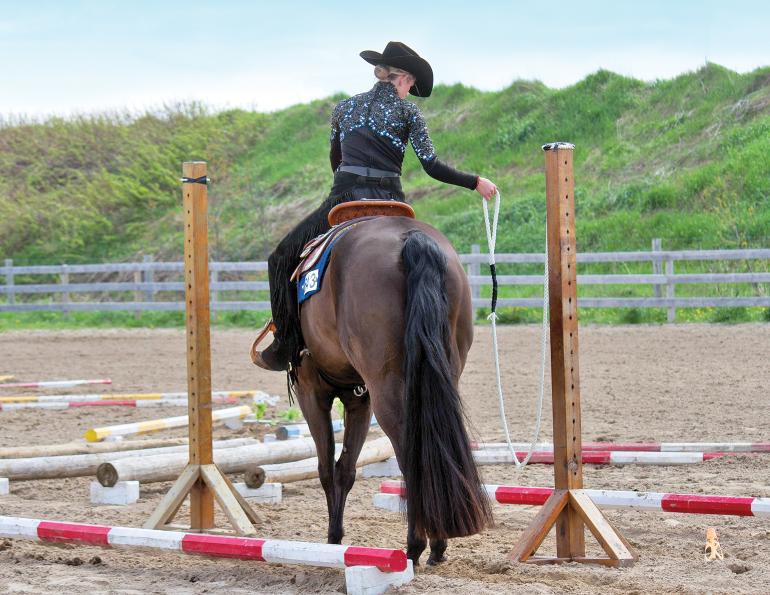
Essentially, a gate is a transition from here to there. It’s a transition from one pasture to another, replicated in competition. Learning to work a gate can be part of your horse’s training transition into a more attentive, patient, and handy partner.

Lindsay Grice, flat class, rail class, horse show flat classes, horse show rail classes, horse show judging, horse show judge, equitation, hunter under saddle, western pleasure, western horsemanship, show hack, pleasure hack, road hack, English equitation, horse show tips, show ring strategy, horse show preparation, horse showing, equestrian competition, equestrian Canada, Canadian horse industry, English riding, Western riding, correct leads, diagonals, self-carriage, horse turnout, show ring etiquette

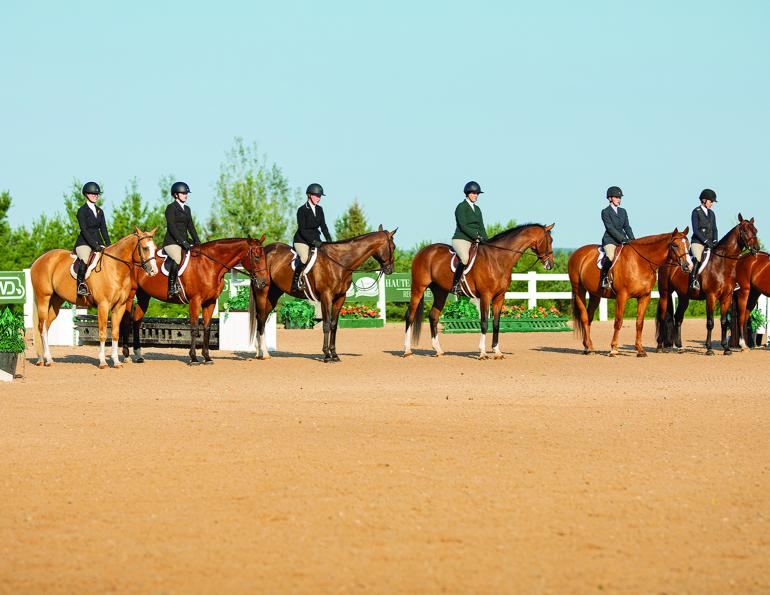
Riding the Rail - No jumps. No pylons. No letter markers. Unlike classes assessing the accuracy of patterns, the quality of movements in tests, or how the competitor meets each jump on course, flat or rail classes appraise the picture of you and your horse in profile.

Pages