Dressage

Horse and rider representing Canada’s diverse equestrian community and organized horse sport.

Navigating provincial and national equestrian organizations - No single organization supports all things “horse” across Canada. Coaches, trainers, riders, drivers, owners, breeders, and the horses themselves are represented by myriad organizations.

horse conditioning, horse fitness, equine conditioning, equine fitness, Jec A. Ballou, horse conditioning without hills, horse strength training, equine strength training, horse fitness exercises, conditioning horses on flat ground, horse hill work alternatives, horse rehabilitation, equine rehabilitation, horse rehab exercises, horse core strength, horse coordination, equine proprioception, horse ground pole exercises, raised trot poles, horse aerobic fitness, equine cardiovascular fitness, horse stamina

Finding Alternatives for the Conditioning Goal - Many riders worry that their lack of access to hills means their horses will miss important conditioning benefits. But before charging up hills, or fretting about their absence, riders should first consider the specific gains they were hoping to make. A horse recovering from injury, for instance, will use and benefit from hills differently than a moderately fit horse aiming to improve stamina or performance. After specific goals are identified, relevant substitutions can be explored. Whether you need hills depends on what you hope to achieve.

spurs for western riding, spurs for english riding, are spurs ethical on horses, jec ballou horse riding, how to use spurs on horses, history of horse spurs, riding training aids

Most riders who “earn” their spurs can recount at least a few stories about their potential harm or have known horses with ribcage scars and damage from overuse. Whether spurs are inherently good or bad, however, depends on numerous factors including an understanding of their respective role in different disciplines.

Horse demonstrating self-carriage during ridden training

I tend to think of self-carriage like cruise control. A horse in self-carriage remains on the path, in the gait, in the tempo, and the frame his rider requested, for several strides without being held there.

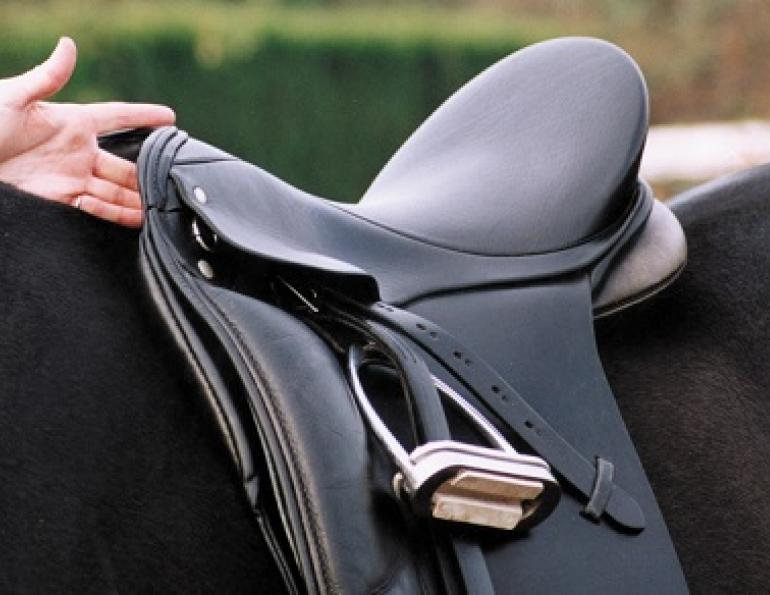
horse saddle fit, properly fitting saddle, how to tell if my saddle fits, does my saddle fit correctly? schleese, saddlefit4life

Q: I ride a Thoroughbred with a moderately roached (convex or round) back. How should I determine if my saddle fits correctly? A: The nine main points of saddle fit are absolutely common to all saddles and all horses – if you want to determine whether and how well your saddle fits, these points should be considered, and each of these points has video instruction on our website at www.saddlesforwomen.com.

Olivia Wentworth-Stanley rides Dutch Warmblood NFK Nique during the Steffen Peters dressage clinic at High Wyck Farms.

Simplicity, understanding, and connection - After witnessing acclaimed US dressage rider Steffen Peters perform award-winning tests at competitions around the world, I had no hesitation when asked to cover his clinic in June 2026 at High Wyck Farms in Meaford, Ontario. The quality and precision of his teaching matched the excellence of his competition performances.

cavaletti walk, cavaletti canter, cavaletti trot, jec aristotle ballou, cavalletti exercises, horse cavalletti, training a horse, horse gait, equine gait, equine conditioning a horse

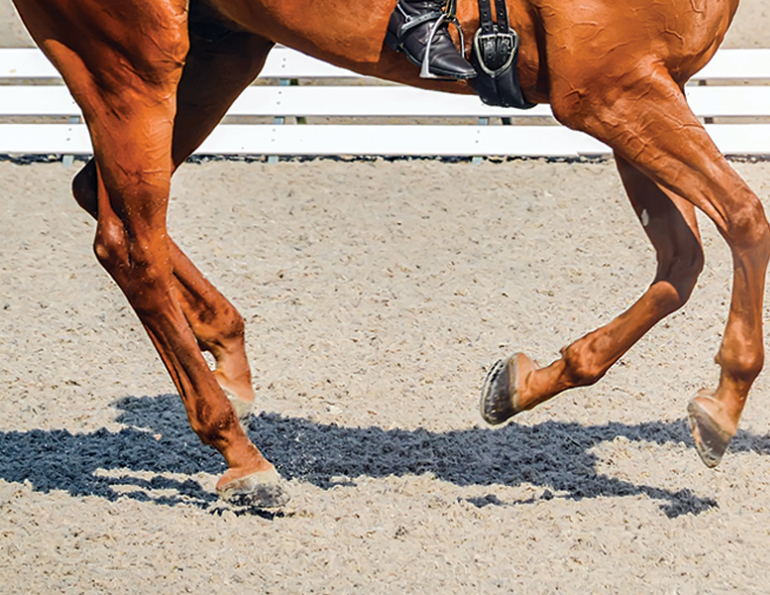
Your horse's three primary gaits-walk, trot, and canter-each provide distinct advantages for conditioning aimed at enhancing performance. When utilized effectively, these gaits can achieve outcomes that might otherwise be overlooked. Ideally, training sessions should incorporate equal time spent in each of the three primary gaits to promote both flexibility and strength. However, specific conditioning phases may require an emphasis on one gait over the others. This article will explore how each gait benefits the equine athlete, particularly in relation to back usage, and will highlight the role of cavalletti routines in training.

canter lead, correct canter lead, horse picks up wrong lead, lindsay grice horse trainer, my horse doesn't canter right, exercises to improve canter

Every Time, Everywhere - Wrong lead! It’s one of the earliest alerts a young rider hears from her coach. One’s heart sinks to hear that same alert from the coach calling over the show ring rail. The novice rider learns the outside leg back and kiss cue to canter but I’ve found that riders are often unsure why they should use this cue. Let’s break it down. We’ll review the phonics of teaching your horse to pick up the correct lead and some hints to help the rider recognize it.

horse exercises for lightness, lateral poll flexion exercises, schaukel horse training, jec ballou horse trainer, ground pole exercises horses, improving contact with horses

While it might often be spoken about in artistic, aesthetic, or even philosophical ways, lightness — both of movement and also of communication with horses — is more than an abstract ideal. In many ways, it measures a horse’s current physiological capabilities.

Horse yielding to neck rein pressure during western riding

One could say that to work with horses is to work under pressure: the physical pressure we employ in communicating to our horses, time pressure, and even peer pressure. A wise horseperson has a sense of timing and knows when it’s fitting to yield or resist.

Pages