Other

Horse and rider representing Canada’s diverse equestrian community and organized horse sport.

Navigating provincial and national equestrian organizations - No single organization supports all things “horse” across Canada. Coaches, trainers, riders, drivers, owners, breeders, and the horses themselves are represented by myriad organizations.

horse conditioning, horse fitness, equine conditioning, equine fitness, Jec A. Ballou, horse conditioning without hills, horse strength training, equine strength training, horse fitness exercises, conditioning horses on flat ground, horse hill work alternatives, horse rehabilitation, equine rehabilitation, horse rehab exercises, horse core strength, horse coordination, equine proprioception, horse ground pole exercises, raised trot poles, horse aerobic fitness, equine cardiovascular fitness, horse stamina

Finding Alternatives for the Conditioning Goal - Many riders worry that their lack of access to hills means their horses will miss important conditioning benefits. But before charging up hills, or fretting about their absence, riders should first consider the specific gains they were hoping to make. A horse recovering from injury, for instance, will use and benefit from hills differently than a moderately fit horse aiming to improve stamina or performance. After specific goals are identified, relevant substitutions can be explored. Whether you need hills depends on what you hope to achieve.

spurs for western riding, spurs for english riding, are spurs ethical on horses, jec ballou horse riding, how to use spurs on horses, history of horse spurs, riding training aids

Most riders who “earn” their spurs can recount at least a few stories about their potential harm or have known horses with ribcage scars and damage from overuse. Whether spurs are inherently good or bad, however, depends on numerous factors including an understanding of their respective role in different disciplines.

cavaletti walk, cavaletti canter, cavaletti trot, jec aristotle ballou, cavalletti exercises, horse cavalletti, training a horse, horse gait, equine gait, equine conditioning a horse

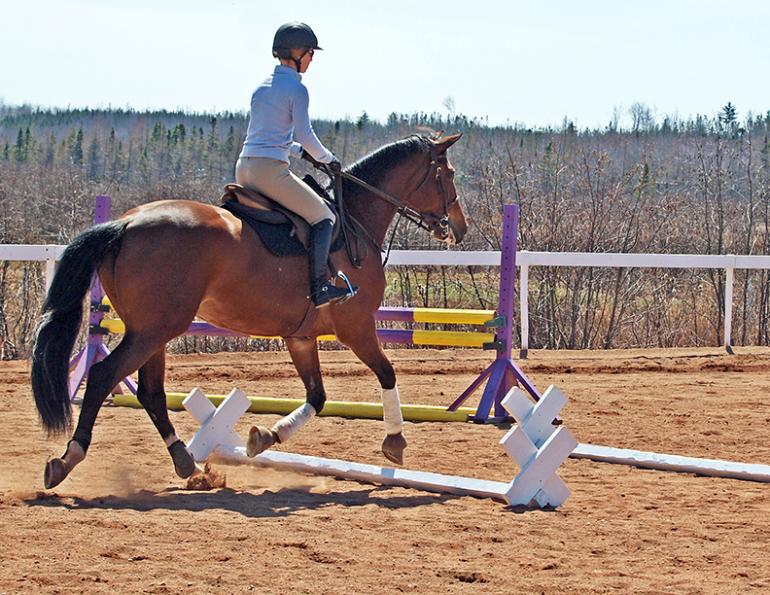
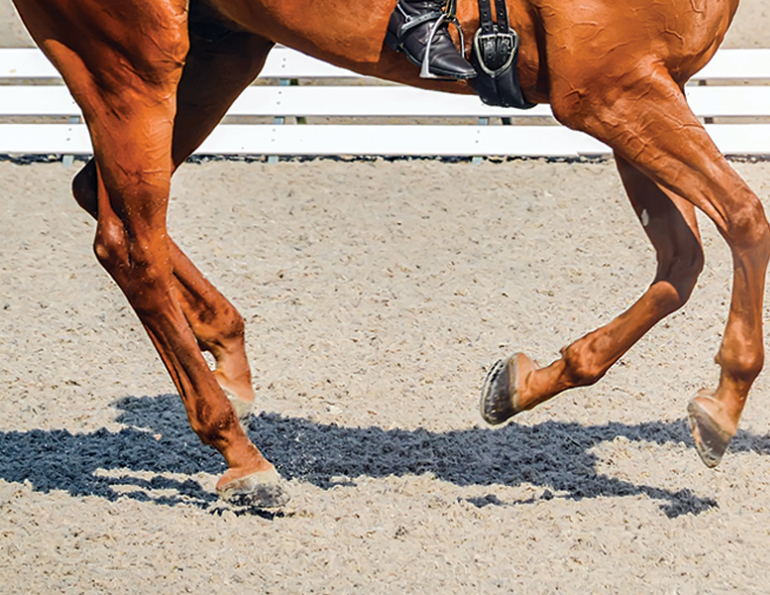
Your horse's three primary gaits-walk, trot, and canter-each provide distinct advantages for conditioning aimed at enhancing performance. When utilized effectively, these gaits can achieve outcomes that might otherwise be overlooked. Ideally, training sessions should incorporate equal time spent in each of the three primary gaits to promote both flexibility and strength. However, specific conditioning phases may require an emphasis on one gait over the others. This article will explore how each gait benefits the equine athlete, particularly in relation to back usage, and will highlight the role of cavalletti routines in training.

canter lead, correct canter lead, horse picks up wrong lead, lindsay grice horse trainer, my horse doesn't canter right, exercises to improve canter

Every Time, Everywhere - Wrong lead! It’s one of the earliest alerts a young rider hears from her coach. One’s heart sinks to hear that same alert from the coach calling over the show ring rail. The novice rider learns the outside leg back and kiss cue to canter but I’ve found that riders are often unsure why they should use this cue. Let’s break it down. We’ll review the phonics of teaching your horse to pick up the correct lead and some hints to help the rider recognize it.

Canadian working equitation rider competing with traditional garrocha during international competitio

Working Equitation Canada (WECan) has selected four riders and one alternate for Canada’s first team to compete at a working equitation world championship.

Monique Noble, Grated Coconut, Calgary Stampede, Born to Buck program, rodeo horse, bareback horse, legendary rodeo horse, Professional Rodeo Cowboys Association, PRCA, Canadian Professional Rodeo Association, CPRA, Bareback Horse of the Year, Stampede Ranch, Davey Shields Jr., rodeo history, Canadian rodeo, rodeo stallion, bucking horse, rodeo legend, rodeo stock contractor, Canadian Horse Journal

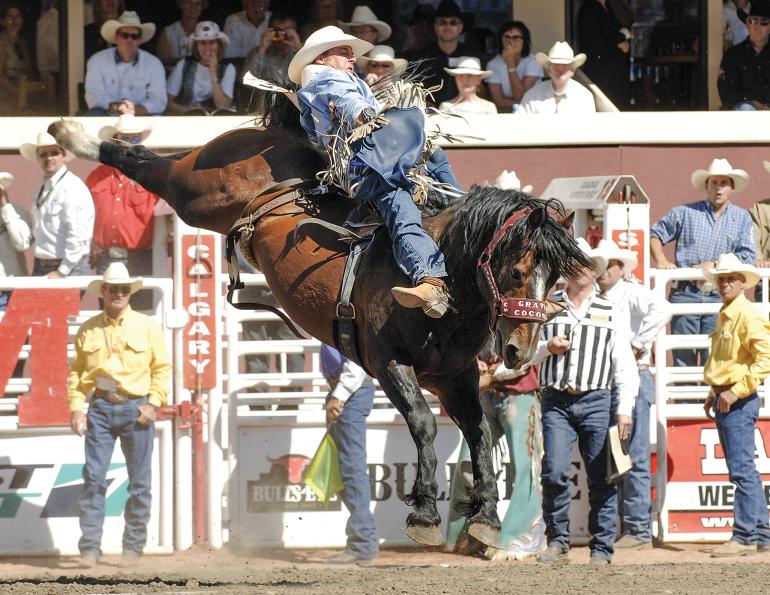
Grate Expectations - There is a deafening silence when a living legend becomes a legend. The roar of fandom becomes an echo and the anticipation of a show that only they can deliver will never again radiate through the crowd.

Tania Millen, Working Equitation Canada, WECan, opinion, Working Equitation World Championships, WAWE, Canadian working equitation, Canada working equitation team, working equitation selection process, Canadian equestrian sport, equestrian governance, team selection, athlete selection, equestrian transparency, horse sport Canada, Canadian horse industry, Sarah Bradley, Ilona Berbekar, Kerry Marit, Pam Esteves, Susanne Zimmerman, WAWE rankings, World Association for Working Equitation, equestrian opinion, Ho

Selecting athletes for any team is hard. Selecting athletes for the first Canadian team that a fledgling organization has ever sent to a World Championships is doubly difficult. However, using subjective selection criteria which results in the highest ranked rider being left off the team pretty much guarantees that sport enthusiasts will question the selection process, the organization, and whether they want to be involved in future.

senior performance horse, ageing horse, older competition horse, senior sport horse, horse fitness, equine conditioning, geriatric horse care, horse health, equine athlete, dressage horse, show jumping horse, horse training, equine veterinary care, maintaining older horses, Canadian horse owners

There comes a time when even the horse that has carried you to countless victories begins to show signs of age. For many riders, accepting that a trusted competition partner is becoming a senior can be difficult. Yet with modern advances in veterinary medicine and improved management practices, many horses now continue to perform successfully into their late teens and even their twenties. This is particularly true in disciplines such as dressage and show jumping, where years of training and experience are essential to reaching the highest levels of competition.

Lindsay Grice, flat class, rail class, horse show flat classes, horse show rail classes, horse show judging, horse show judge, equitation, hunter under saddle, western pleasure, western horsemanship, show hack, pleasure hack, road hack, English equitation, horse show tips, show ring strategy, horse show preparation, horse showing, equestrian competition, equestrian Canada, Canadian horse industry, English riding, Western riding, correct leads, diagonals, self-carriage, horse turnout, show ring etiquette

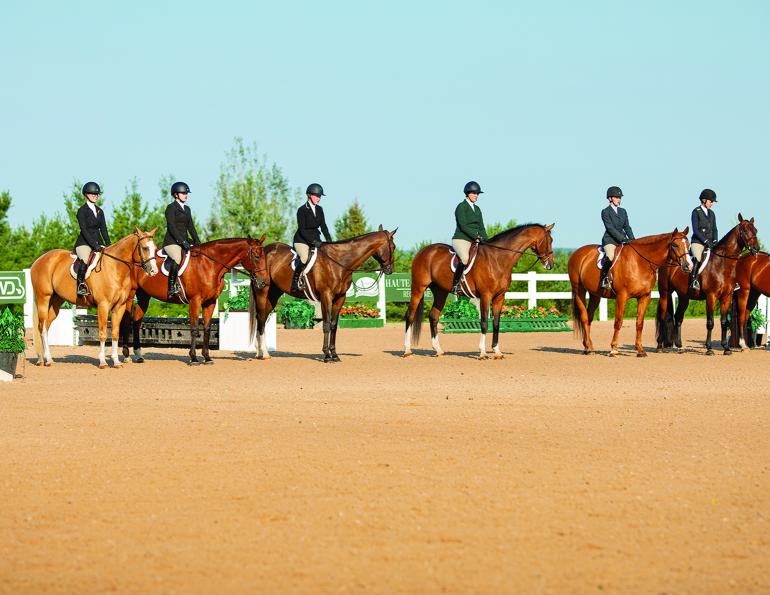
Riding the Rail - No jumps. No pylons. No letter markers. Unlike classes assessing the accuracy of patterns, the quality of movements in tests, or how the competitor meets each jump on course, flat or rail classes appraise the picture of you and your horse in profile.

Pages