Prevention

equine herpes virus, diseases horses, flies horses, infectious diseases horses, aerosol droplets horses, preventing illness horses, equine biosecurity, equestrian pathogens

Preventing the spread of infectious diseases in horses starts with understanding how pathogens are transmitted. Disease-causing organisms can reach horses through multiple routes, making biosecurity a crucial part of equine care.

how to wrap a horse's legs, wrapping horse's legs, equine guelph, protect horse's legs while riding

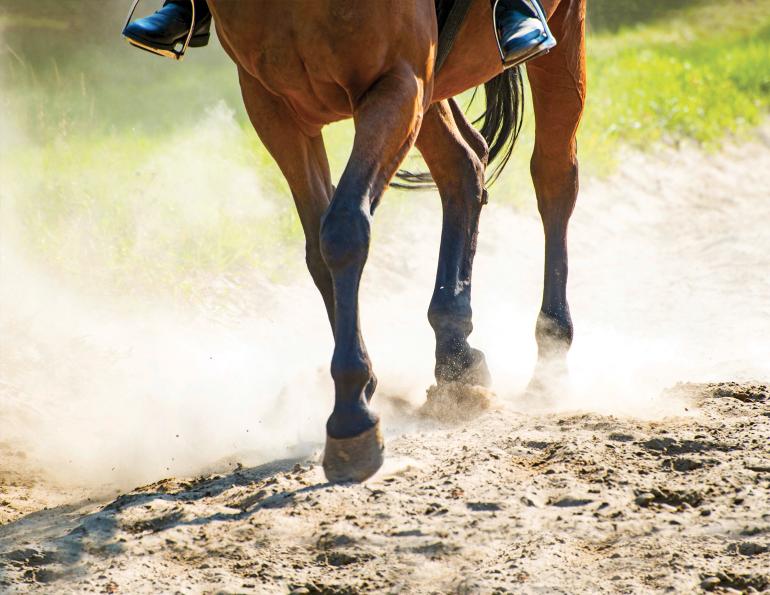
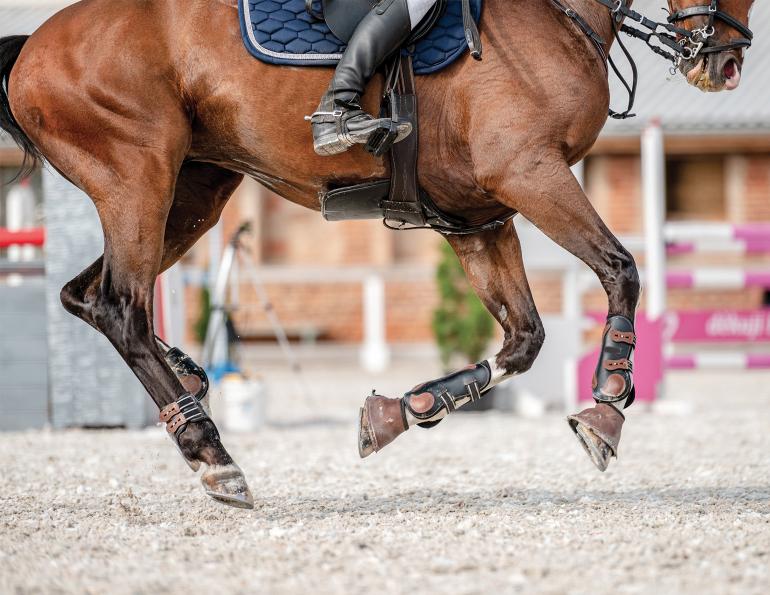
Knowing how to wrap your horse's legs is an essential skill for the attentive horse owner. Questions such as What thickness of bandage should I use on my horse's leg? How do I know when wrapping my horse's leg is appropriate? What supplies do I need? are all very important. With help from this article, and a little practice, you will master these skills in no time.

arenus secure guard gold, arenus assure, equine digestive system, supplements for horses, feed to prevent horse colic

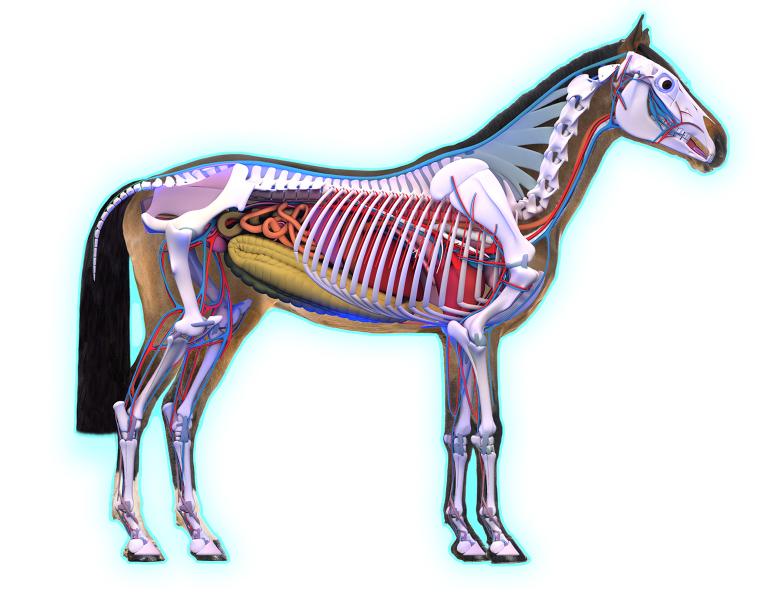
For horse owners, one of the most frequent areas of pressing health concern is their animals’ digestive system. Digestive challenges such as loose stool, sand accumulation and GI lining irritation can take a toll on your equine athlete’s performance.

Potomac Horse Fever Canada, PHF horses Canada, equine diseases Canada, horse health summer, equine colitis, horse vaccination Canada, insect-borne horse disease, equine biosecurity

What Every Horse Owner Should Know - As summer arrives, veterinarians and horse owners across Canada grow increasingly concerned about Potomac Horse Fever (PHF). Once rare, the disease is appearing more often in regions north of the United States. Potomac is now considered endemic in Ontario, Quebec, Nova Scotia, Manitoba, Alberta, and British Columbia.

Silver Honey for horses, MicroSilver BG horses, manuka honey horses, equine skin care, mud fever horses, pastern dermatitis care, horse wound care products, Absorbine Silver Honey

Horse people know that healthy skin is a cornerstone of comfort and performance. From small nicks to irritation around the pasterns in wet seasons, our goal is always the same: protect the skin barrier while keeping the environment calm, clean, and comfortable. Silver Honey® products bring together two nature-derived powerhouses, MicroSilver BG® and Mānuka Honey, to do exactly that. Below is a practical look at what each ingredient is, how it works, and why that matters.

horse colic, what is equine colic, equine digestive tract, preventing horse colic, treating horse colic, how much water horse, how much exercise horse, what should a horse eat, colic risk rater, equine guelph

If there’s one word that strikes fear into the hearts and minds of horse owners, it’s “colic.” Used to describe any form of abdominal pain, colic can affect horses for many reasons and in any season, although cold weather months are a particularly challenging time with increased risk of impaction-related colic.

strangles, symptoms of strangles, strangles outbreak, treatment strangles, how to prevent strangles, signs of strangles, steps to contain strangles, s. equi infection

How to reduce the risk, recognize the symptoms, and take steps to manage an outbreak. Strangles is a highly contagious infection caused by the bacterium, Streptococcus equi (S. equi). It is not an airborne virus. Rather, the bacteria spreads through contact, which could be direct nose-to-nose between horses, or via contaminated surfaces or equipment such as shared halters, lead shanks, cross-ties, feed tubs, stall walls, fencing, clothing, hands, the hair coat from other barn pets, grooming tools, water buckets, and communal troughs.

how to vaccinate horse, spring equine vaccinations, why vaccinate horse, equine dentists, why do horses need dental care, equine dentist visit, parasite control horse, deworming my horse, euqine soundness evaluation, spring vet visit horse, how to care for my broodmare, equine reproductive examp, dr. lauren macleod delta bc

For a horse owner, there are few sights more welcome than the first signs of spring. As the snow melts away and the pastures begin to turn green, horse owners are glad to see the end of short days, frozen water buckets, and woolly coats. Springtime means longer, warmer days to spend working in the arena or hitting the trails. The season is also an ideal time to catch up on your horse’s healthcare needs.

treathing thrush horses, preventing thrush horses, symptoms of horse thrush, anatomy of horse hoof, equine guelph

Thrush is a prevalent hoof ailment in horses, typically resulting from a fungal infection that deteriorates the frog's tissue. This condition primarily develops in the sulci (grooves) on either side of the frog and in the central cleft. If neglected, thrush can spread to the deeper, more sensitive structures within the hoof, potentially leading to lameness.

spring horse health check, seasonal horse care, post winter horse management, equine spring transition, horse veterinary check up, preparing horses for riding season, spring turnout management, horse conditioning after winter, Canadian horse care, equine health assessment

As the grip of winter begins to fade, anticipation builds for longer rides and a return to regular activity. While Canadians are well known for embracing snow and sub-zero temperatures, most horse owners are more than ready to welcome milder days and the renewed energy that spring brings.

Pages