Prevention

preventing flies horses, diseases mosquitoes horses, fly sheets, fly masks, manure pile location, botfly eggs on horse, horse fly leggings, parasitic wasps

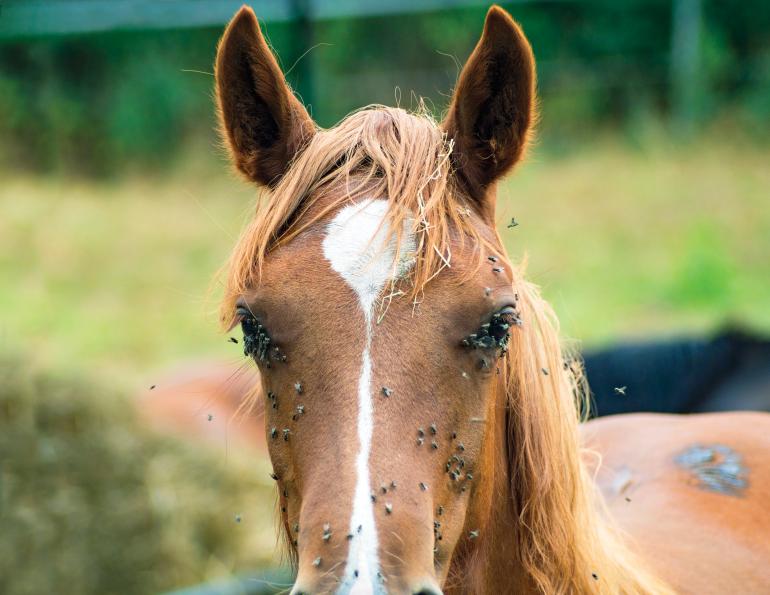
How flies spread parasites and disease - Flies are the bane of many horses’ existence from spring through autumn. In Canada, horse-biting flies include gnats (no-see-ums), black flies, stable flies, deer flies, horse flies, and mosquitoes, all of which create painful sores. Non-biting flies include house flies, eye gnats, face flies, bot flies, and warble flies, and can be just as irritating. It’s not just buzzing and biting that’s worrisome; flies may transmit parasites and diseases, can cause a horse’s immune system to overreact, and some use horses as hosts, all of which impact horse health. Preventing horses from being bitten is key. Before diving into solutions, here’s a summary of the damage that flies can inflict on Canada’s horses.


how to deworm horse, why deworm horse, equine intestinal parasites, horse intestinal parasites, horse worms equine parasites horse dr. wendy pearson, herbs for horses

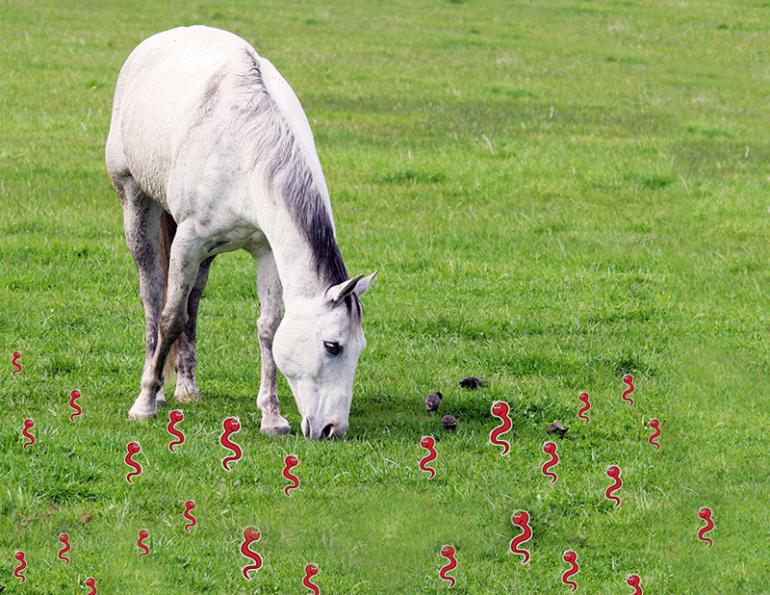
The Inside Story - For as long as horses have been grazing the hillsides and meadows, the pest of parasite infestation has plagued them. Perennial as the grass, intestinal parasites find every possible opportunity to enter their horse host, and live out their life cycle.

horse moving to new barn, horse relocation, horse trailer transport, horse settling into new home, horse herd introduction, horses in pasture, horse boarding facility, equine behaviour, horse welfare, horse turnout, horse owner Canada, horse management, horse adjustment to new environment, herd dynamics, Canadian horse industry

Keys to a Successful Move - When it comes to stressors, moving house is right up there with other major life changes. For horses, moving to a new home may be just as stressful, if not more so.

how to remove burrs from a horse's mane, burrs in horse's tail, first aid for burrs

Win the Battle of the Burrs - Discovering your horse with a mane and tail full of burrs can be frustrating — but it’s more than a cosmetic concern. Burrs can cause real discomfort, inflame the skin, and even damage the hair roots. If your horse resists grooming, chances are those pesky burrs clusters are already causing pain by tightening up and pulling the hair every which way. Here’s how to handle the problem with care — and how to stop it from happening in the future.

how to prevent a horse dehydration, equine guelph, riding horses in heat, summer horseback riding

As horses exercise, their core body temperature climbs. To prevent overheating, the body relies heavily on sweat evaporation to cool down. Sweating is essential during physical activity, but it leads to the loss of both water and vital electrolytes. These include sodium, chloride, potassium, calcium, and magnesium—key minerals that support nerve function, hydration, and muscle activity. Without proper replenishment, electrolyte depletion can impair performance and compromise your horse’s well-being. Supporting your horse’s recovery means restoring both water and electrolyte levels in appropriate proportions.

how to remove ticks, tick removal horses, preventing tick bits horses, best bug sprays horses, areas to avoid ticks canada, what do ticks look like on horse, grooming horse tick

Not much can gross out a horse person. We happily pick out hoofs, observe the quality of manure, scrape bot eggs off our horses’ legs, and get a weird sense of satisfaction from an expressed abscess. But ticks… ticks are just nasty.

horse cooling, pre-cooling horses, equine heat stress, horse heat stress, cooling horses before exercise, hot weather horse care, equine welfare, horse exercise safety, horse hydration, horse sweating, endurance horse cooling, eventing horse cooling, racehorse cooling, Canadian horse industry, horse health, equine research, heat illness in horses, summer horse care, horse performance

Hot and humid weather can place significant strain on exercising horses, especially during intense work such as racing, endurance riding, or eventing. Because horses generate large amounts of heat during exercise and have relatively limited ability to dissipate it, researchers have increasingly explored whether cooling horses before exercise can help reduce heat stress and improve safety.

west nile virus in horses, equine wnv, elisa test horses, uc davis center for equine health

West Nile virus (WNV) is a mosquito-borne virus that affects humans and other animals, of which horses represent 96.9 percent of reported non-human cases. Introduced to the United States in 1999, WNV is now found in all of the contiguous 48 states.

hazards horse farm, hazards equine farm, emergency plan horse farm, prevent barn firehazards horse farm, hazards equine farm, emergency plan horse farm, prevent barn fire, prevent horse injury

It often feels like horses are magnets for mishaps. Their injury-prone tendencies can be chalked up to natural instincts—such as their strong flight response, social dynamics within the herd, or simply their innate curiosity that leads them into trouble.

horse recovery, equine rehabilitation, laminitis recovery horse, horse health Canada, equine wellness, horse injury recovery, holistic horse care, equine nervous system, horse care tips Canada, equine management, chronic laminitis horse, horse caregiver support, equine healing process, horse welfare Canada, Canadian horse industry

Recovery. A word charged with significance. More than likely, it carries a unique weight and meaning for you. Most of us, as horse people, have encountered “recovery” somewhere along our path — whether our own or our horses’. It usually signals that something has gone wrong: an emergency, an illness, an injury. Rarely is it a word associated with celebration.

Pages