Prevention

netf, equine disease, horse disease, aginnovation ontario, university of guelph, newborn foal disease, equine eneritis disease, foal eneritis

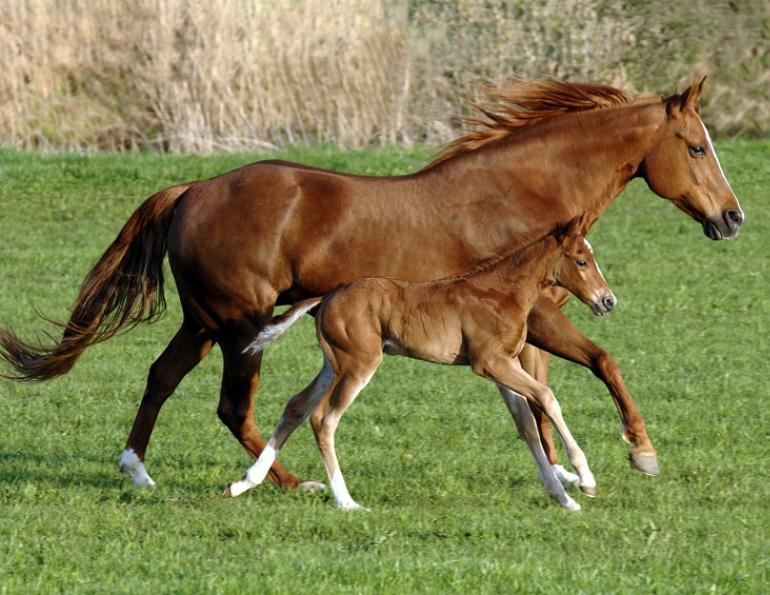
Researchers at the University of Guelph have made an equine breakthrough that can change the health of newborn foals. Led by John Prescott, pathobiology researcher and former professor, the research team identified an uncommon, but deadly bacterium that causes necrotizing enteritis disease in very young foals, and has already created a vaccine for further research. For years, an unknown strain of this intestinal bacterium has been killing foals within the first week of life. Prescott and his team have worked for several years to understand the cause of necrotizing enteritis in foals and recently identified the bacterial agent and its deadly toxin, which they have called NetF.

western college of veterinary medicine, wcvm, dr sue ashburner, equine pre-purchase exam, horse pre-purchase exam, dr. sue ashburner, sarah figley

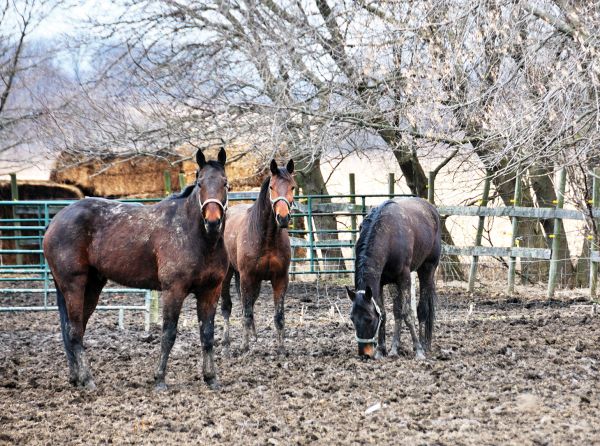
Dr. Sue Ashburner of the Western College of Veterinary Medicine (WCVM) has examined hundreds of potential new horses for her clients during her 35-year career as a veterinarian. “We don’t do a ‘pass-fail’ when we do a pre-purchase exam on a horse. We just try to allow the buyer to make an informed decision on that horse,” says Ashburner, a clinical associate in equine field service at the WCVM’s Veterinary Medical Centre.

Equine Lameness, western college of veterinary medicine, wcvm, horse lameness, game ready, equine ultrasound, equine heel pain

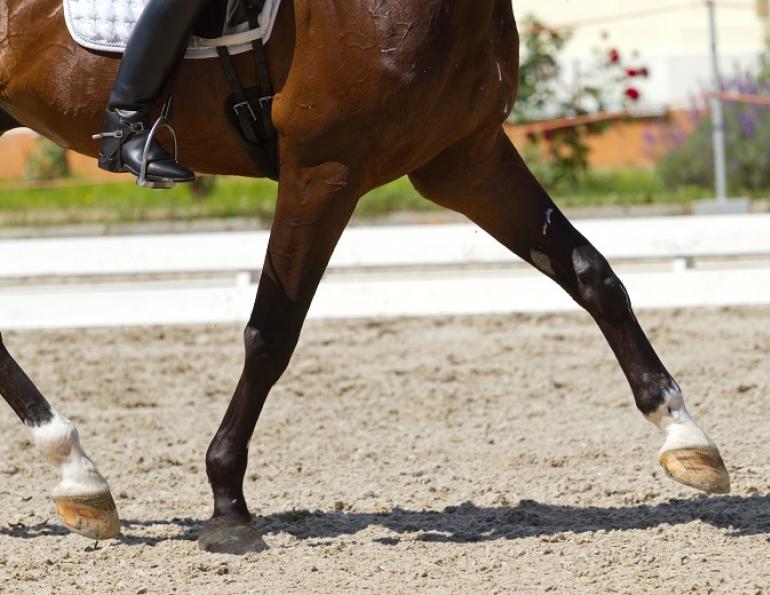
Accurate diagnosis is critical - A lame horse often means a sudden change in plans, and a lameness diagnosis during the summer is an especially disappointing way to end the show season for a horse and its rider. In addition to conventional lameness therapies, newer treatments such as shock wave therapy, cold compression therapy, and regenerative therapies that use the body’s natural ability to heal may help to return horses to the show ring more quickly.

Equine Pain, horse pain, grimaces score, equineguelph, grimace pain scale

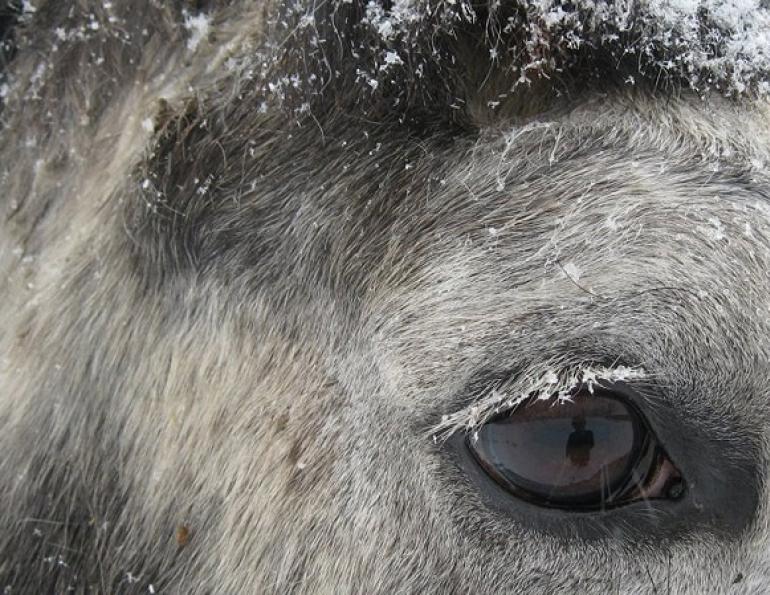
Hiding pain is one of the top survival skills of the horse. An important part of horse ownership is learning to recognize the signs a horse may be in discomfort rather than dismissing certain subtle cues as just bad behaviour. Earlier this year, Dr. Brianne Henderson gave a well-received lecture to a room full of horse owners in Hillsburgh, ON. The attendees were interested in ensuring the welfare of their equine companions by honing their skills for detecting pain.

Pages