Prevention

Horse Heaves, RAO horses, respiratory disease of horses, AAEP, American Association of Equine Practitioners, soaking hay

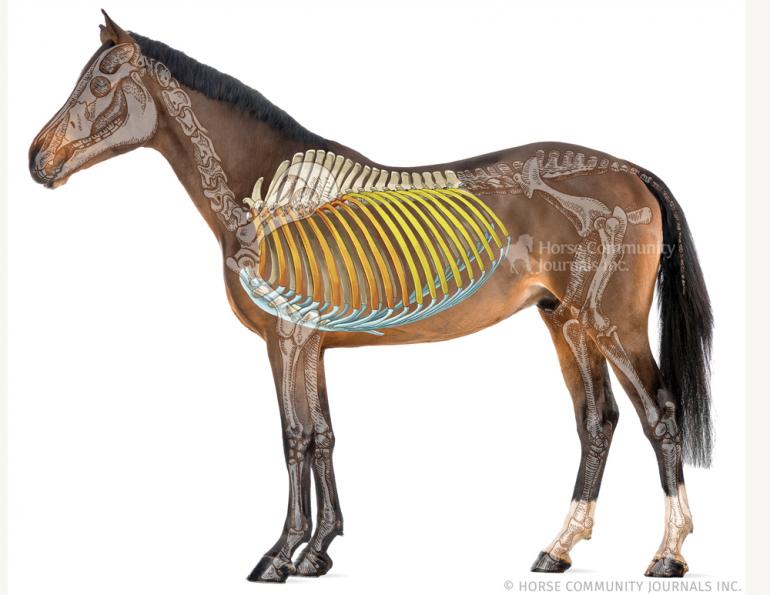
Recurrent airway obstruction (RAO, also known as heaves, broken wind, and chronic airway reactivity) is a common respiratory disease of horses characterized by airway narrowing (bronchoconstriction), mucus production, and bronchospasm. The term chronic obstructive pulmonary disease (COPD) is no longer used to describe this condition in horses, because many aspects of the disease are different from human COPD.

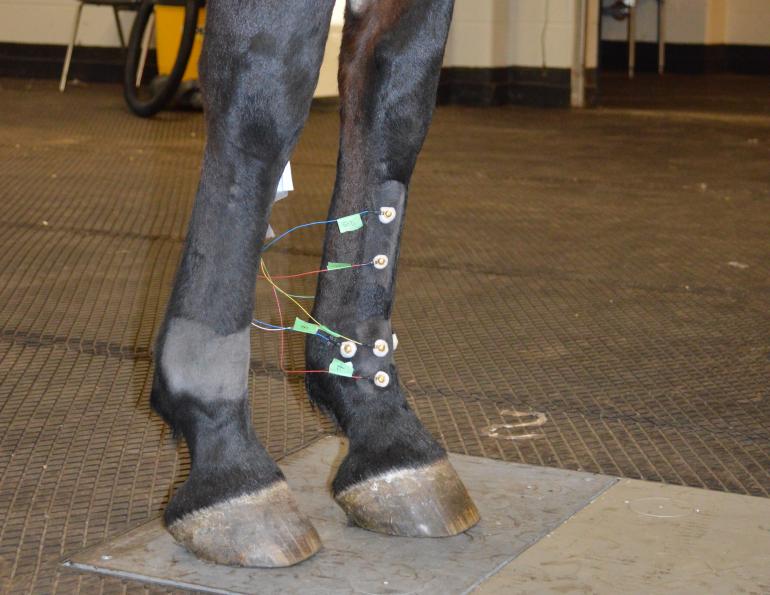
equine fetlock, fetlock injuries, equine lameness, electroarthrography, eag, mark hurtig, ontario veterinary college, equine guelph, university of guelph, Jackie Bellamy

Findings Could Prove Helpful in Diagnosing Fetlock Injuries
One cannot help but get excited about the possibilities for electroarthrography (EAG) as a diagnostic tool after speaking with Ontario Veterinary College researcher, Dr. Mark Hurtig. He is developing a non-invasive way to assess joint cartilage health in fetlocks (the most commonly injured joint in horses). Current technologies to assess fetlock health have their limitations.

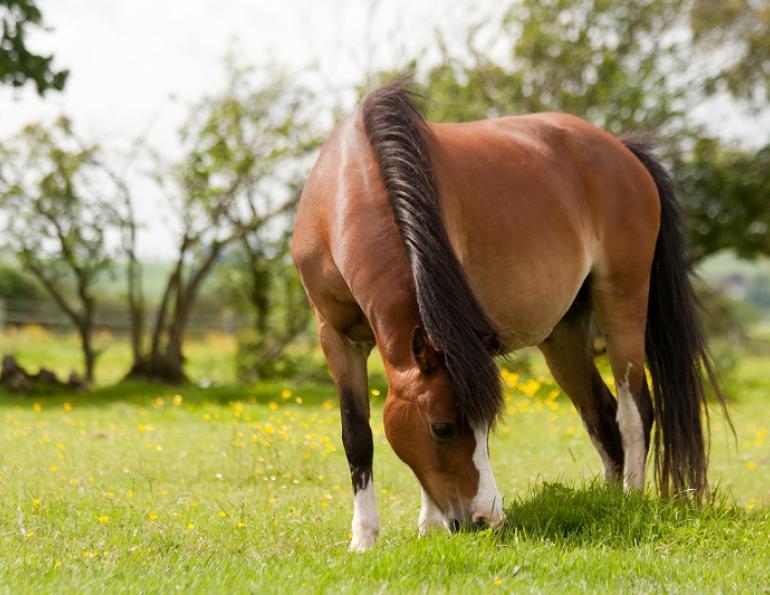
The ongoing problem of obesity in equines is not a recent one. However, in some industrialized countries, the increase in the number of obese horses and ponies predominantly found in the leisure industry has now become a globally recognized welfare concern.

 how to prevent Laminitis, what is task-focussed Farrier Care? what is holistic care-focussed Farrier Care?

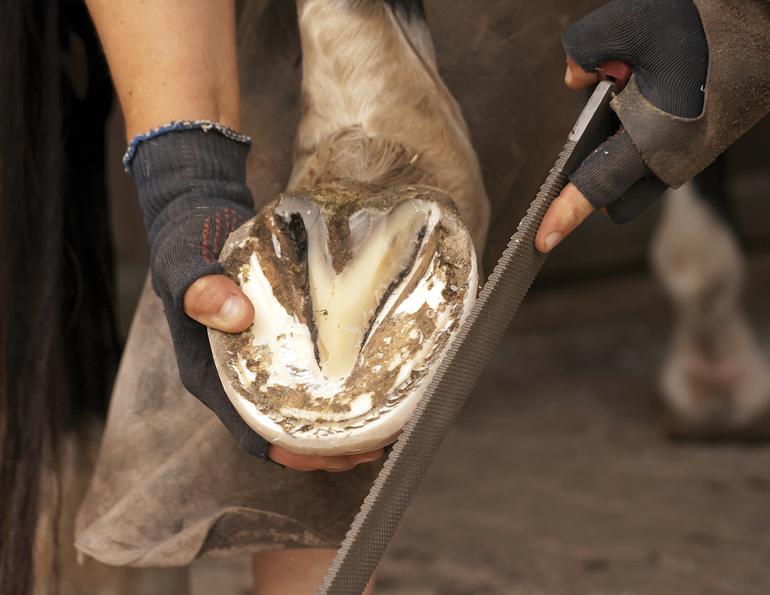
Farriers need to work closely with horse owners to spot the subtle signs of the painful condition laminitis, a new study in Equine Veterinary Journal reports. During this unique study researchers from the University of Surrey’s School of Psychology and School of Veterinary Medicine conducted in-depth interviews with farriers and horse owners to understand how their relationship and their approach to equine care can help prevent laminitis.

Cancer isn’t as common for horses as it is for humans and dogs and cats. And because equine cancer symptoms — weight loss, nausea, lethargy, loss of appetite, lameness, skin and coat conditions, among others — often don’t start appearing until the cancer has advanced, it can be hard to reverse its progression. For years, chemotherapy has been veterinarians’ go-to treatment for fighting the disease.

how common is laminitis? laminitis as common as colic, what is laminitis, warning signs of laminitis

Recent research suggests that laminitis is as common as colic. The study, led by Dr. Danica Pollard, a Ph.D. student at the Royal Veterinary College, found that one in ten horses or ponies may develop at least one laminitis episode each year.

what is the function of licking and non-nutritive chewing behaviour in horses?

Horses sometimes lick and chew during training and this has often been interpreted as a sign that the horse is learning or showing “submission” to the trainer. However, a new study suggests that this non-nutritive licking and chewing behaviour is a natural behaviour that is shown after a stressful situation.

how overweight riders can cause horse lameness, choose a horse appropriate for your weight, horse lameness caused by heavy rider

A rider that is too heavy for a horse could cause temporary lameness and signs of pain, according to recent research.The potential health and welfare implications of a high rider:horse bodyweight ratios were explored in a pilot study led by Dr. Sue Dyson, Head of Clinical Orthopaedics at the Animal Health Trust’s Centre for Equine Studies, Newmarket in the UK.

sable island horses, margaret evans, endangered equine species, endangered horses, wild horses

Nowhere in Canada will you find a more unique, self-contained ecosystem than the one found on Sable Island. Nestled in the 42 km arc of sand, 300 kilometers southeast of Halifax, Nova Scotia, is an array of beaches, dunes, marram grass, wildflowers, shrub-heath, and ponds – which 300 bird species five species of seals, and 500 Sable Island horses call home. These horses came to the island during the dark days of deportation of the Acadian people 250 years ago.

Intense exercise can be fatal to racehorses, according to a new University of Guelph study. Prof. Peter Physick-Sheard and a team of researchers examined 1,713 cases of racehorse deaths from 2003 to 2015, and found racing was connected to some of the deaths.

Pages