Prevention

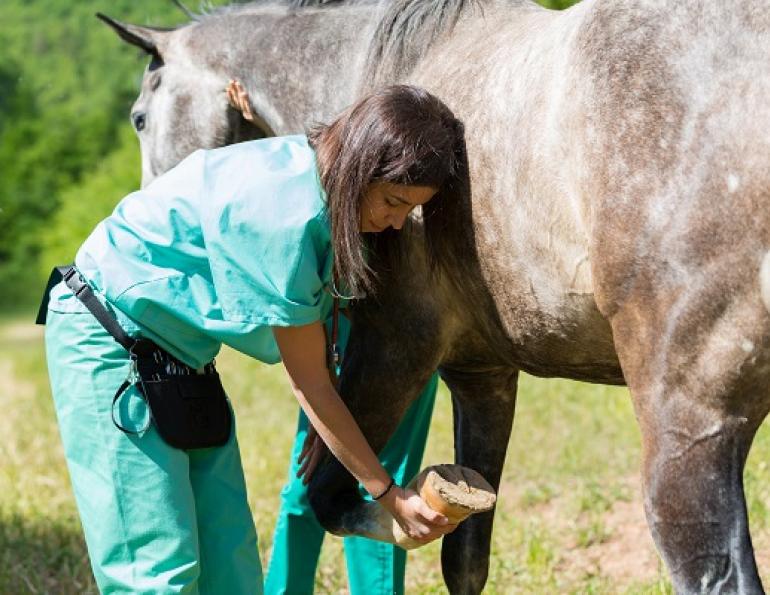
Equine Lameness Evaluation, Dr. Crystal Lee, equine disorder, horse lameness, examining horse, horse flexion test

Equine lameness is an indication of a structural or functional disorder, in one or more limbs or the spine, evident while the horse is standing or in movement. It can range from very mild discomfort, which may only be perceived by the owner or trainer as a decrease in level of performance, to severe pain in which the horse is unwilling to bear weight on the limb. As one of the most common and most expensive medical problems in horses, lameness represents a large concern to the equine industry as well as to individual horse owners.

horse welfare, equitation science, code of practice for care and handling of equines, five freedoms of animal welfare, equine guelph

How do we see our industry? How would equine industry members describe the welfare status of Canadian horses? Which horses do they believe are the most at risk? And what do they believe threatens horse welfare?

equine Laminitis in Horses with EMS and Cushing’s Disorder, Dr. Jaini Clougher ECIR Group. Equine Metabolic Syndrome (EMS) and Cushing’s disorder (PPID) phenylbutazone (Bute) horse is rocked back onto its haunches therapeutic hoof boots with pads vitamin e laminitis

Equine laminitis has been with us for a long, long time. Fortunately, in the last 10 to 20 years there have been great strides in understanding the causes of this terrible condition. Laminitis is now regarded as a syndrome that occurs secondary to something else, rather than a discreet disease all in itself. This has allowed much more focused research and effort in treating the cause rather than treating just the symptoms that occur in the hoof. It doesn’t matter how great the trim is, or what shoes are used, or how deep the bedding. If initiating causes such as EMS (Equine Metabolic Syndrome – see Equine Metabolic Syndrome & Equine Cushing’s Disease, Early Summer 2018 issue of Canadian Horse Journal) or PPID (Cushing’s disorder) are not addressed, the laminitis and the pain will continue.

sleep deprived horse, how much sleep does a horse need, do horses need lots of sleep, can a horse sleep standing up, ises, international society of equitation sceince

Sleep is essential for life. The quality and quantity of a horse’s sleep directly affects their health and well-being. However, sleep is rarely considered as part of a horse’s management plan. A new study has found that poor management or physical problems can lead to horses becoming sleep deprived and at risk of serious injury.

equine asthma latex, are horses allergic to latex, can latex cause equine asthma, researcher sam white nottingham trent

A study into the causes of severe equine asthma (sEA) has revealed associations with over 113 substances, including latex found in artificial surfaces. Lead researcher Sam White found that natural rubber latex was among “the most surprising and significant” of several new allergens present in the dust horses breathe.

horses bits and breathing, david mellor massey university, equine breathing exercise, equine guelph horse portal

Bits and breathing. Both words start with the letter “b” and most might assume their relationship ends there. But Dr. David Mellor, a leading animal welfare expert at Massey University in New Zealand, believes there is more to the story, especially when it comes to our horses. His research, shared in a talk at the University of Guelph in autumn 2017, looks at how bit use can impact equine breathing during exercise and what this means for equine welfare.

drug resistance horses, british equine veterinary association, multiple drug resistance equine levels

Multiple drug resistance (MDR) among bacteria isolated from equine clinical samples is at a concerning level, according to work presented at the recent British Equine Veterinary Association conference.

how to keep my horse healthy and happy, equine guelph, international society for equitation science (ISES), hartpury equine science

Astute horse owners realize that their horse’s welfare is about more than having food, water, and appropriate shelter. The horse’s emotional well-being, also known as their quality of life, is an important piece of the welfare puzzle. However, it is unclear what measurements are accurate and reliable enough to help objectively assess this area of a horse’s welfare. A group of researchers from the United Kingdom, New Zealand, and Australia have teamed up to address this.

how to tie quick release knot, quick release knot, horse rope knot, equine knot

It’s fast and easy to tie, but the true value of the quick release knot lies in its ability to be quickly and easily untied in the event of an emergency.

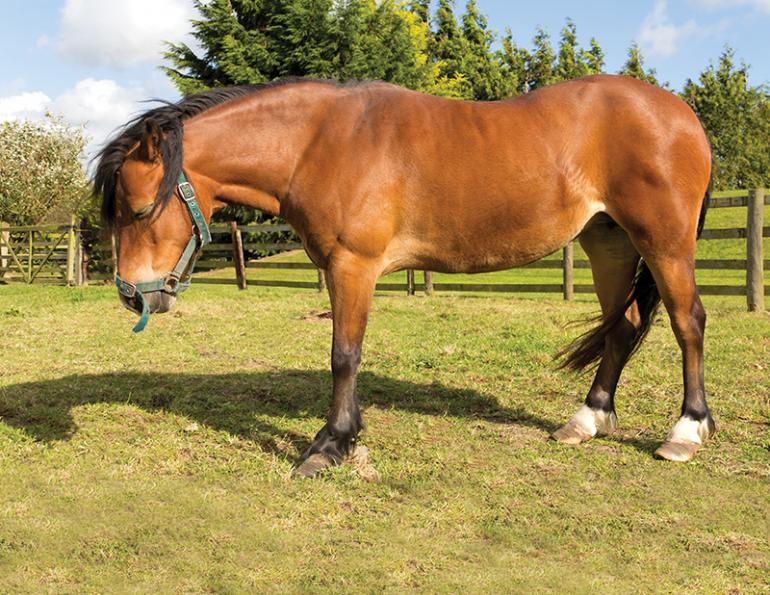
Equine Symptomatic Lameness, Why is my horse lame? Why does my horse keep stumbling? Why does my horse trip over his own feet? Symptomatic lameness right hind leg, detecting Equine Symptomatic Lameness

Why is my horse lame? Why does he keep stumbling? Why does he seem to trip over his own feet? The horse suffering from back pain or injuries can exhibit symptomatic lameness, which can also manifest as behaviour issues including stubbornness or resistance. When the horse is displaying symptoms of lameness and logical treatments are not working, the horse’s owner may turn to injections, anti-inflammatory creams, or chiropractic adjustments at the sacroiliac joint.

Pages