Prevention

toxious plants horses, yew plant horses, poisonous plants horses

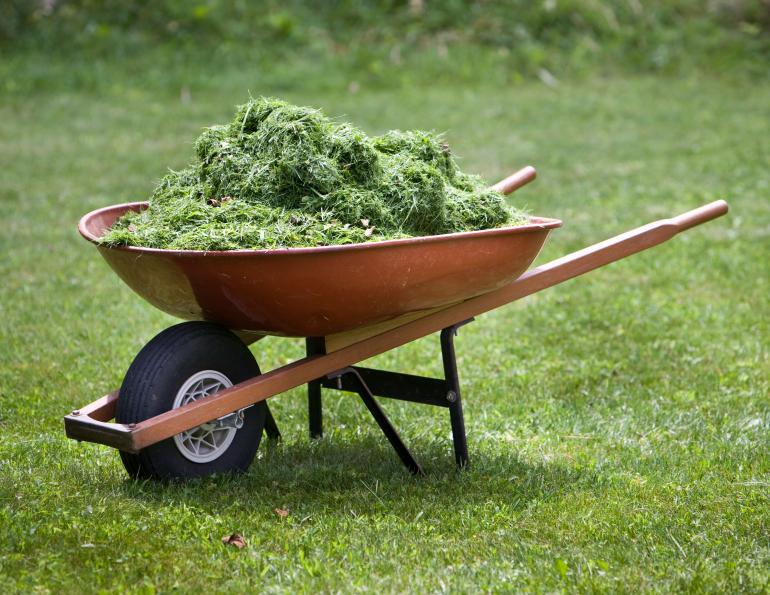
Grass clippings and yard waste trimmings can be toxic. As horse owners, we spend a lot of time and effort making sure our horses are healthy and well cared for. However, a simple mistake by a family member or neighbour could be disastrous.

kentucky equine, equine research, foal oxygen, foal oxygen deprivation, horse oxygen, foal health, horse breeding health, neurologic conditions horses

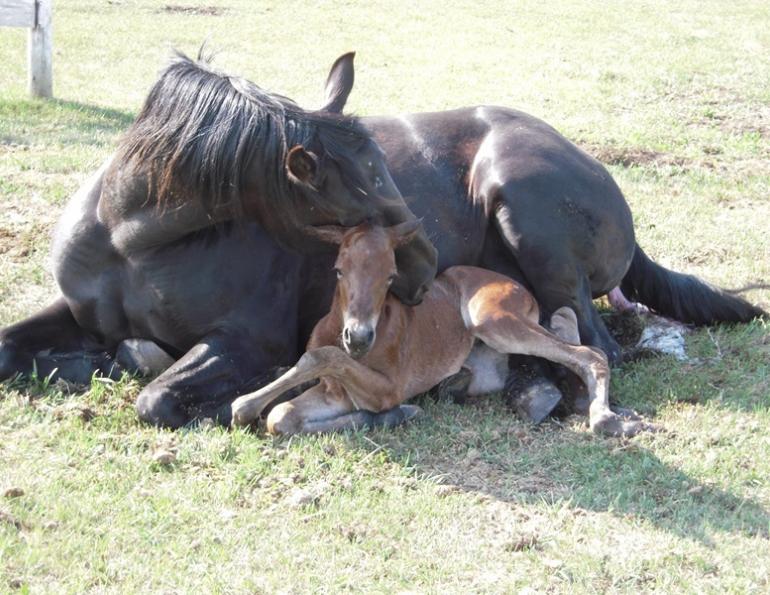
The majority of mares experience a smooth and uncomplicated birth, with the foal typically standing and nursing within an hour or two. Within a few days, the foal is often seen following the mare around the pasture and enjoying a nap in the sun. However, complications during or after birth can occasionally lead to a lack of oxygen reaching the foal's brain. This oxygen deprivation can result in conditions such as hypoxic-ischemic encephalopathy (HIE) or neonatal maladjustment syndrome (NMS), commonly referred to as "wanderers," "sleepers," "barkers," or "dummy foals" by barn managers.

equine biosecurity, equine guelph, preventing horse diseases, protecting horses public

Biosecurity involves a series of management steps designed to reduce the risk of contagious diseases being introduced to, or spreading within, a horse property. All equine infectious diseases arise through the interaction between the horse, its environment, and disease-causing organisms such as bacteria, viruses, or parasites. The outcome depends on both the animal’s immune defense and the strength of the pathogen—providing key points where intervention can reduce risk.

colic surgery horses, rehabilitation horse, dr. crystal lee, burwash equine, exercises for equine rehabilitaion, books on horse rehab

One of the many reasons that the words “colic surgery” tend to strike fear into a horse owner’s heart is the question of whether their horse will be able to return to their previous level of performance (or even return to performing at all). A recent research study by Dr. Holcombe and her team at Michigan State University looked at specific ways that a horse owner can influence the likelihood of this return to performance after colic surgery (1).

equine neurological conditions, uc davis center for equine health, infectious diseases horses, horse headshaking, diseases in foals, flies disease spread horses

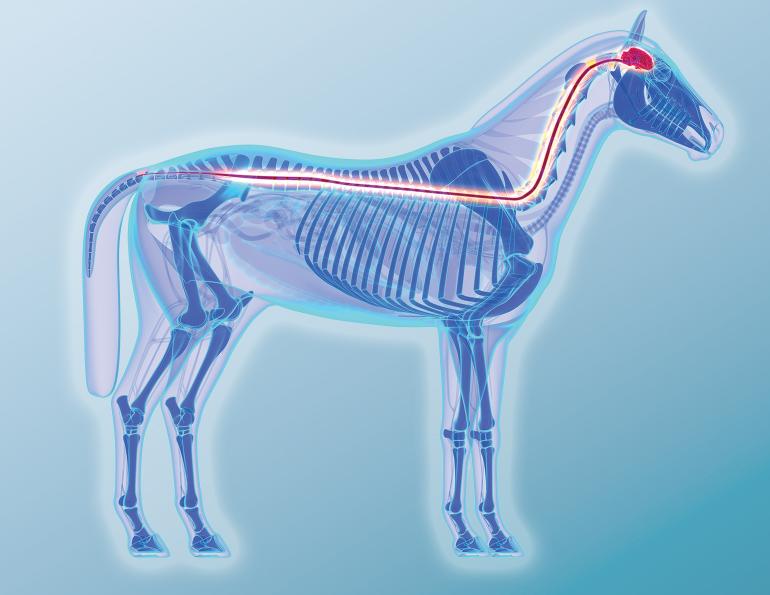
Neurologic issues can affect horses at any age, and clinical signs can result from infectious and non-infectious causes. Increased understanding of equine neurologic conditions has enabled earlier diagnosis and improved outcomes, and vaccines have reduced the spread of infectious diseases. However, diagnosis and treatment remain challenging in some cases.

equine neurologic disease, horse pre-purchase exam, neurological examination horses, how to buy a horse, horse with shivers

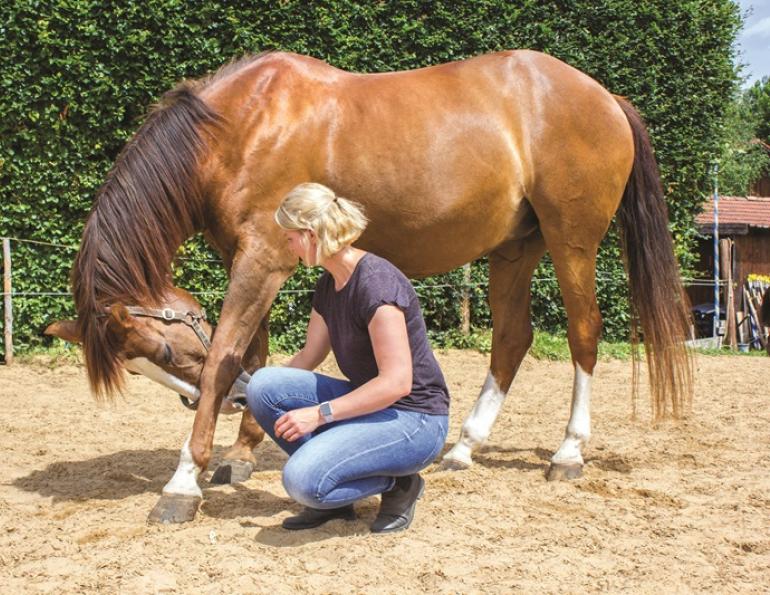
Equine neurological examinations evaluate horses from head to tail. They are performed to evaluate signs consistent with neurologic disease or to establish that a horse is neurologically normal, such as during a pre-purchase exam. A neurological exam can be divided into two parts: static and dynamic.

biosecurity horse farm, preventing disease spread horse stable, managing equine property, farm and ranch biosecurity, acera insurance

Across Canada, owners, riders, farms, and horses continue to struggle with strangles, equine influenza, and equine herpesvirus myeloencephalopathy. Not only can these diseases be detrimental to horses’ health, but managing ill horses can stretch finances, shut down commercial operations, and be an emotional roller coaster for those involved.

stem cell therapy horses, rehabilitating horses lameness, exercising lame horses, how to treat lameness in horses, mri on a horse, equine joint disease, ontario veterinary college

Improvements in diagnostics and joint disease management make for better treatment plans. Prevention is the ideal when it comes to lameness, but practically everyone who has owned horses has dealt with a lay-up due to an unforeseen injury at some point.

equestrian dental care, dentists for horses, dental checkup for horse, horse veterinarians dental, shelagh niblock, how to care for horse's teeth

Much more than just floating teeth! Do you remember to get an annual dental exam for your horse? A dental check by your veterinarian involves floating, the process of filing a horse’s teeth to correct irregularities in the occlusal (biting) surfaces, as well as inspecting the teeth for any indication of a variety of other potential problems. In addition to examining the teeth for abnormalities that might cause chewing and/or bitting issues, your vet will also be looking for signs of fractured or loose teeth, as well as signs of ulceration on the cheek mucosa, the tongue, or the gums (gingiva).

equine code of practice, code of practice for the care and handling of equines, shelagh niblock equine nutritionist

Did you know that a Code of Practice for the Care and Handling of Equines (CPCHE) was introduced in Canada in 2013? It was developed with contributions from various organizations, including Equestrian Canada, the Society for the Prevention of Cruelty to Animals (SPCA), the Canadian Veterinary Medical Association (CVMA), and the Canadian Feed Inspection Agency, all under the National Farm Animal Care Council (NFACC). These partners continue to support the industry-recognized guidelines and standards for proper equine care outlined in the Code. Let’s explore what this equine Code involves.

Pages