Prevention

equine neurological conditions, uc davis center for equine health, infectious diseases horses, horse headshaking, diseases in foals, flies disease spread horses

Neurologic issues can affect horses at any age, and clinical signs can result from infectious and non-infectious causes. Increased understanding of equine neurologic conditions has enabled earlier diagnosis and improved outcomes, and vaccines have reduced the spread of infectious diseases. However, diagnosis and treatment remain challenging in some cases.

equine neurologic disease, horse pre-purchase exam, neurological examination horses, how to buy a horse, horse with shivers

Equine neurological examinations evaluate horses from head to tail. They are performed to evaluate signs consistent with neurologic disease or to establish that a horse is neurologically normal, such as during a pre-purchase exam. A neurological exam can be divided into two parts: static and dynamic.

biosecurity horse farm, preventing disease spread horse stable, managing equine property, farm and ranch biosecurity, acera insurance

Across Canada, owners, riders, farms, and horses continue to struggle with strangles, equine influenza, and equine herpesvirus myeloencephalopathy. Not only can these diseases be detrimental to horses’ health, but managing ill horses can stretch finances, shut down commercial operations, and be an emotional roller coaster for those involved.

stem cell therapy horses, rehabilitating horses lameness, exercising lame horses, how to treat lameness in horses, mri on a horse, equine joint disease, ontario veterinary college

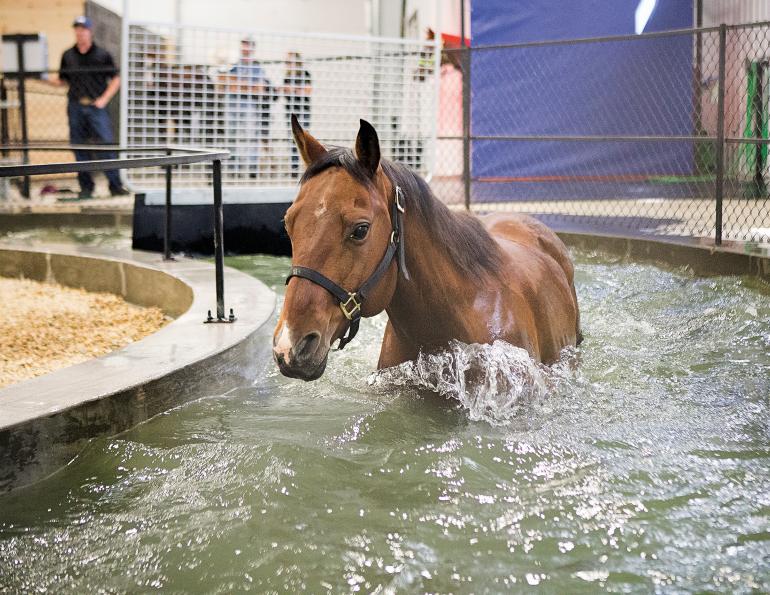
Improvements in diagnostics and joint disease management make for better treatment plans. Prevention is the ideal when it comes to lameness, but practically everyone who has owned horses has dealt with a lay-up due to an unforeseen injury at some point.

equine respiratory diseases, roa horses, inflammatory airway horse, horse nasal discharge, horse cough, horse nosebleeds

The equine respiratory tract is responsible for many different functions and is, on a basic level, quite similar to the human respiratory tract. One of its primary functions is the exchange of oxygen between the lungs and the red blood cells, which allows oxygen to be delivered to tissues throughout the body and becomes especially important during exercise when the oxygen consumption of the tissues increases. Another important function is the clearance of irritants such as dust, ammonia, and bacteria, from the respiratory tract. This is done by filtering large dust particles in the nose, coughing, sneezing, and trapping irritants in the airway mucus. However, excess nasal discharge, coughing, sneezing, and mucus secretion are all signs that a horse may be suffering from respiratory problems.

equestrian dental care, dentists for horses, dental checkup for horse, horse veterinarians dental, shelagh niblock, how to care for horse's teeth

Much more than just floating teeth! Do you remember to get an annual dental exam for your horse? A dental check by your veterinarian involves floating, the process of filing a horse’s teeth to correct irregularities in the occlusal (biting) surfaces, as well as inspecting the teeth for any indication of a variety of other potential problems. In addition to examining the teeth for abnormalities that might cause chewing and/or bitting issues, your vet will also be looking for signs of fractured or loose teeth, as well as signs of ulceration on the cheek mucosa, the tongue, or the gums (gingiva).

equine code of practice, code of practice for the care and handling of equines, shelagh niblock equine nutritionist

Did you know that a Code of Practice for the Care and Handling of Equines (CPCHE) was introduced in Canada in 2013? It was developed with contributions from various organizations, including Equestrian Canada, the Society for the Prevention of Cruelty to Animals (SPCA), the Canadian Veterinary Medical Association (CVMA), and the Canadian Feed Inspection Agency, all under the National Farm Animal Care Council (NFACC). These partners continue to support the industry-recognized guidelines and standards for proper equine care outlined in the Code. Let’s explore what this equine Code involves.

horse vitamin e equine nutrition Shelagh Niblock, PAS sources vitamin E equine diet vitamin e supplements for horses, how much vitamin e does my horse need

Vitamin E is a fat soluble vitamin that is an essential nutrient in equine diets. Vitamin E functions largely as a biological antioxidant in the equine body, protecting tissues from the oxidative effects of free radicals. Free radicals are a natural outcome of cell metabolism but they can become excessive during conditions of hard work or injury.

joint health horses, types of equine joints, types of joints in horses, uc davis center for equine health, equine athletic performance

Equine athletic potential and subsequent performance, success, and longevity hinge on healthy joints. Joints are essentially where two or more bones meet, yet they allow the body to perform complicated functions. Some allow for movement, influencing range of motion, stride length, and overall comfort.

osteoarthritis treatment horses, joint pain horses, studies on equine arthritis, equine science update

For the first time, researchers have unveiled an intervention that appears to slow down the progression of osteoarthritis (OA). A clinical study conducted jointly by the Swedish University of Agricultural Sciences (SLU) and the University of Gothenburg (UGOT), Sweden, has yielded remarkable results. Horses afflicted with OA, treated with a novel drug combination, not only achieved freedom from lameness but also experienced a simultaneous inhibition of joint tissue degradation.

Pages