76 Articles

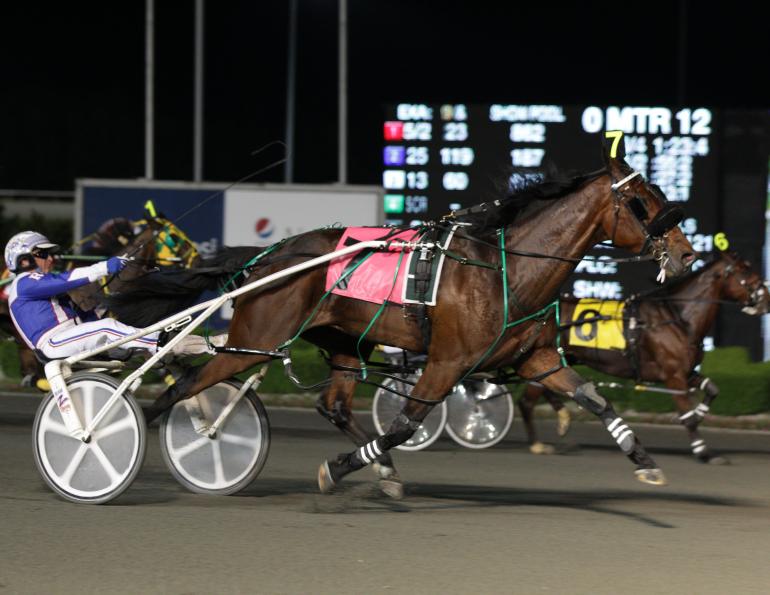
It has been nearly one year since the Ontario Liberal government announced their decision to end the Slots at Racetracks program, a revenue sharing agreement that saw a portion of the proceeds from slot machines housed at racetracks go to the horse racing industry. Introduced over a decade ago, at a time when expanding lottery and gaming options were eroding the revenue base of racing, the program offered support to an ailing industry while providing the province with access to facilities where gambling was already taking place.

Toronto Mounted Police

By Ceileidh Sager - As riders, we often marvel at the placid, seemingly bombproof police horses we encounter on our city streets. Clearly police horses are put through intensive training to prepare them for patrol work, but what about their riders? In speaking with Sargent Kristopher McCarthy of the Toronto Police Mounted Unit, I learned that the city’s mounted unit has taught officers to ride using traditional cavalry methods for over a century. Recently, the Toronto Police Mounted Unit decided to incorporate English equitation standards into their officer training program.

Lee Tubman, equine rhythm, equine balance, equine relaxation, canter leg-yield, impulsion, Canter Half-Pass, Developing Lateral Suppleness Canter

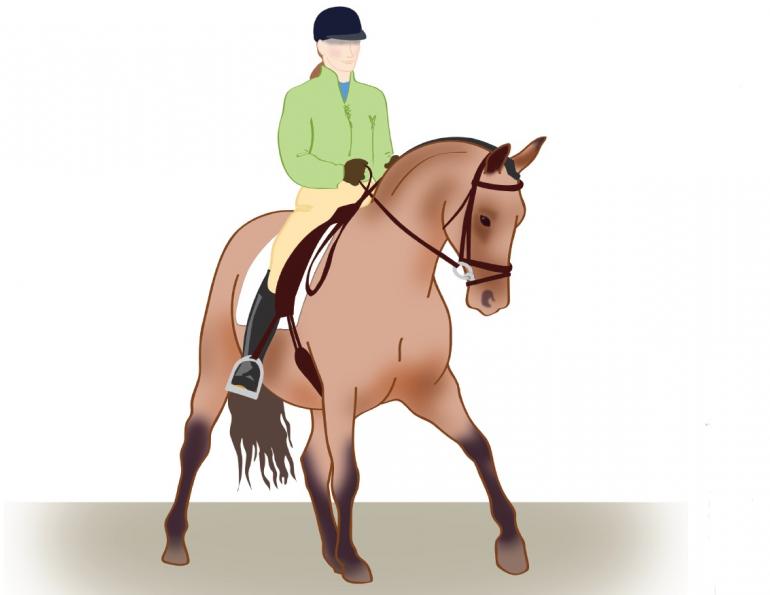
With Lee Tubman - Lateral suppleness refers to the ability of a horse to bend his body and neck laterally (side to side) while maintaining the same rhythm, balance, and relaxation through his body. In order to achieve lateral suppleness, the strength and flexibility of the horse's lateral muscles must be carefully developed - this is where lateral work comes in.

Teaching Your Horse to Neck Rein

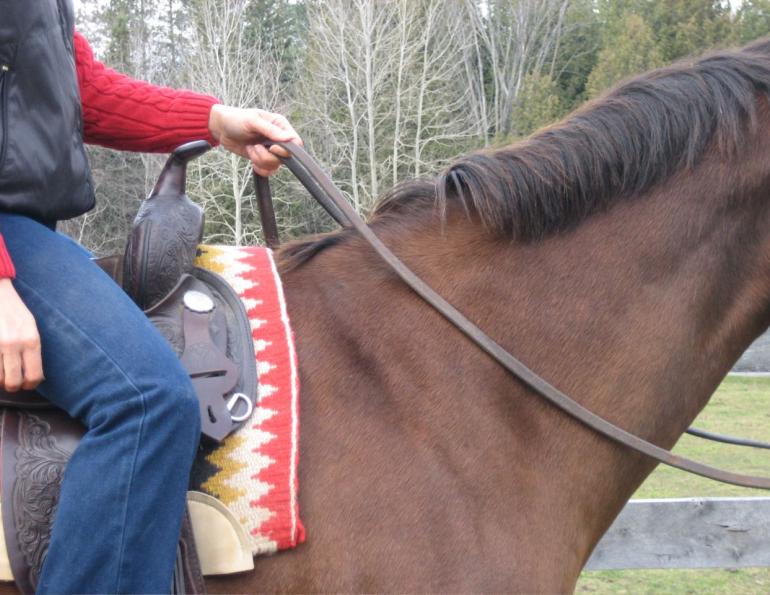
By Lindsay Grice - Moving from direct reining in a snaffle bit to neck reining in a curb is like teaching your horse a new language and it takes time. Like every child graduates from elementary to high school, neck reining is the next step in a Western horse’s education. By the time your horse is six, he must be ridden with one hand and a curb bit at the breed shows.

brooke hospital for animals, working equines, helping working animals

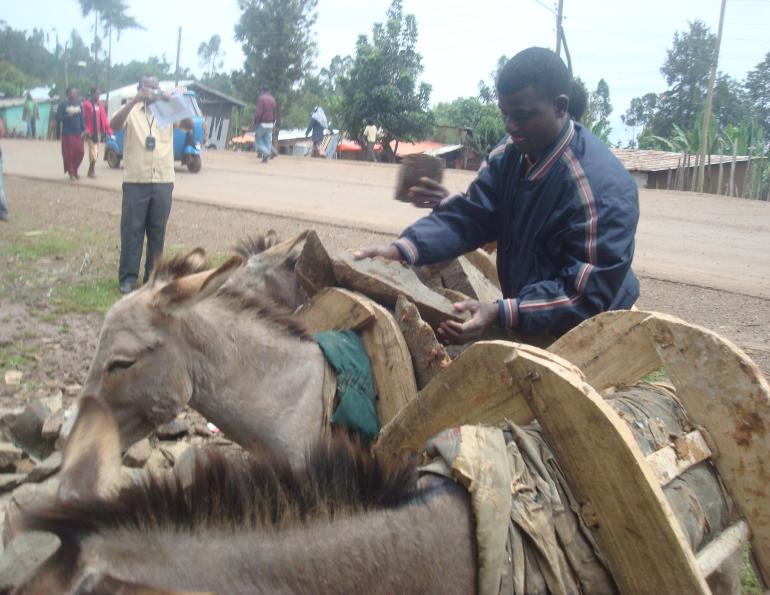
Before Aklilu Menberu was introduced to the Brooke Hospital for Animals, a London, UK, based aid organization, he didn’t know a lot about his donkeys’ needs. And it never really occurred to him to think about it. For eight years now he has collected, processed, and sold stones to support his family, trekking back and forth from the quarry, loading stones onto his donkeys, shaping the stones, and delivering the finished product to customers.

Lindsay Grice, connecting with your horse, long horse necks, tense horse neck, stretch horse long and low, graceful horse neck

Unfortunately, when a horse is tense through her neck and spine, there is no way to achieve that long, swinging trot and slow legged canter that we desire. Instead of lengthening, she just gets quick. The solution is to teach your mare that it is “safe” to stretch long and low and to fill out the frame of the box.

conditioning for equine soundness, equine cardiovascular fitness, long slow distance training horses, proper horse shoeing, strengthening horse on firm ground, Lesley Stevenson

By Lesley Stevenson - Throughout the world, horsemen employ many different methods of conditioning the horse. And indeed there are quite a few different "programs" that result in a fit athlete. But most programs focus on the aspects of the horse's fitness that are the most visible - their musculature and their aerobic capacity (cardiovascular fitness) - without enough thought to strengthening bones, tendons, and ligaments.

Transporting Horses with Fractures, Washington State University, horse veterinary, signs of fracture horses, sudden horse lameness, stabilize broken horse leg, horse care

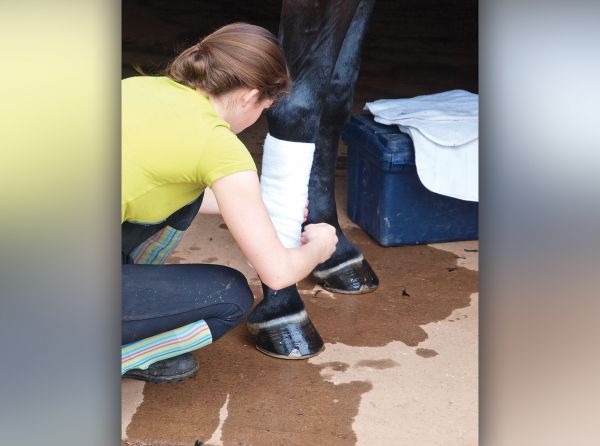
Several types of fractures and injuries that doomed a horse in the past may be repaired today due to advances in veterinary medicine and surgery. One of the most important factors for a successful outcome from such an incident is what happens before a horse arrives at a veterinary medical center for treatment.

Starting Over with Will Clinging

As a trainer I used to ride a huge variety of horses. Some horses I would meet only once, some I would work with for a few months, but rarely did I get the chance to ride the same horse for much longer than that. They say variety is the spice of life but things can, on occasion, have a bit too much seasoning.

How to Make Your Horse's Coat Shine

By Jessica R. Morgan - A beautiful coat starts with what is on the inside of your horse. No amount of grooming will make your horse look beautiful if he isn't getting the proper nutrition.

What Makes a Good Hunter?

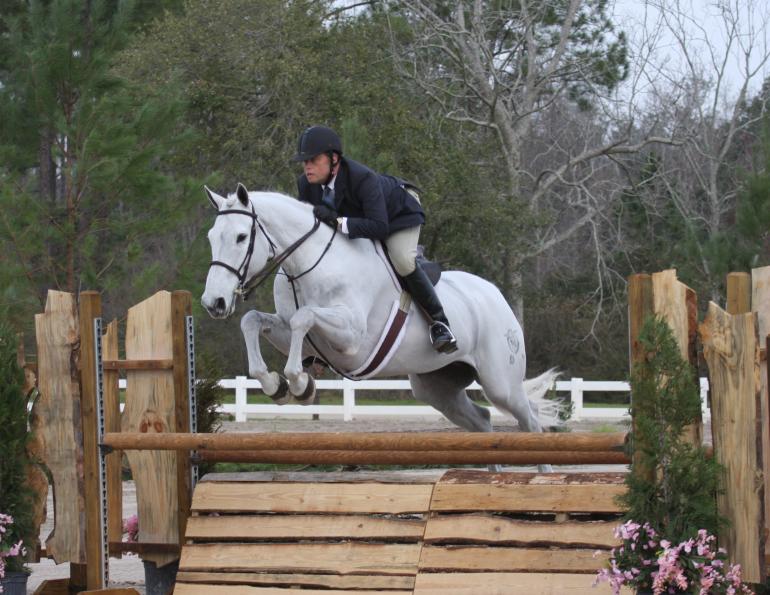
By Alan Korotkin - What makes a successful show hunter? Judges and horse professionals are in constant search of the perfect hunter that can win, or be sold for large amounts of money. Certain qualities exist that separate the good hunter from the bad. The first and most important quality a good hunter must have is solid form over his jumps. The second is his movement across the ground – how he walks, trots, and canters. The third criteria is the horse’s mind – how he thinks and his personality.

What Makes a Good Event Horse

By Lesley Stevenson - There are three types of horses: those who can't wait to see what's around the next corner, those who are worried about what's around the next corner, and those who don't think about what's around the next corner and are surprised every time! A good event horse is usually the first type - curious and brave, with a good work ethic.

What You Need for a Perfect Mane

By Marcus Koll - Keeping your horse's mane looking its best isn't something to leave until the day before a show. Clipping and trimming a little each week will result in a better finish, a healthier mane, and a happier horse.

Horse Training Tips, get horse stand quietly when tied, horse standing still in cross ties,

Your horse won't stand still in the cross ties or when tied to the trailer at the horse show. He moves from side to side, back and forth, and paws frantically, damaging his hooves, shoes, and the stable floor. Instead of being able to enjoy some quiet bonding time with him, you rush through the grooming and saddling routine.

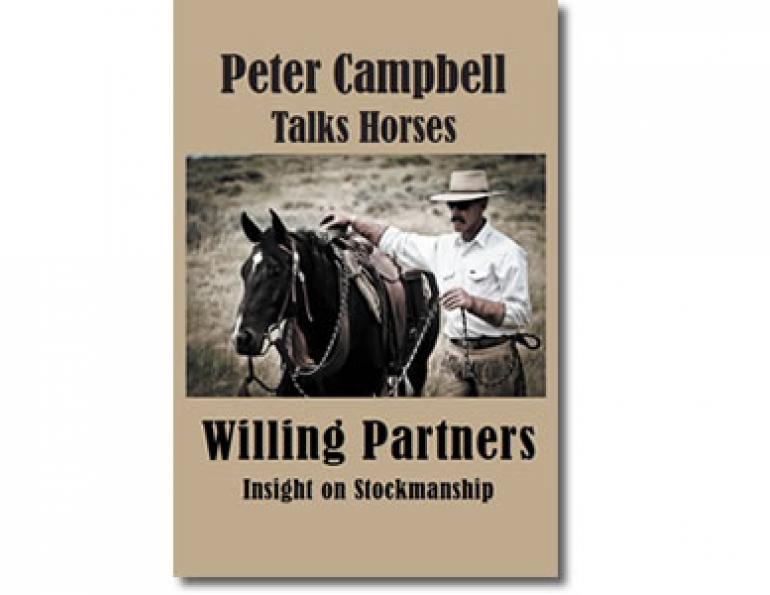
Willing Partners: Insight on Stockmanship by Peter Campbell

Peter Campbell’s "Willing Partners: Insight on Stockmanship" provides owners, trainers, and riders with guidelines for developing young horses and establishing good stockmanship practices to ensure their mount’s continued advancement. The author endeavours to break down his equine philosophies, explaining how his mentors Tom Dorrance and Ray Hunt helped form his persistent yet patient approach to working with horses.

Breeding Management Practices for Mares

Contributed by Washington State University - Breeding season for horses usually occurs in the spring. This makes winter a good time for breeders to plan for the upcoming season. Though people have many reasons for breeding a horse, whether for commercial purposes or as a hobby, there are some important factors that all breeders should consider before getting started.

Use of Bismuth for Horses Unproven

By April Knudson, DVM - Bismuth subsalicylate is used in people to treat diarrhea and gastric distress such as nausea, indigestion and heartburn. It is not labeled for use in any animal! In fact, in the case of horses with ulcers, the use of bismuth is not recommended.

Jane Savoie, Engage Horse’s Hind Legs, connecting half halt horses,

By Jane Savoie - Many riders are confused by the term "engage the hind leg." They want to know exactly what engagement means and how to go about achieving it.

Feeding Horses for Brilliant Coat Shine

By Dr. Nerida Richards, PhD - There is nothing more pleasing to a horse owner's eye than a brilliant, shiny coat. And aside from looking great, a shiny coat also indicates the horse is healthy inside and out. The question is: how do you make your horse shine? It is really quite easy if you follow these simple steps.

Developing Contact in the Reining Horse

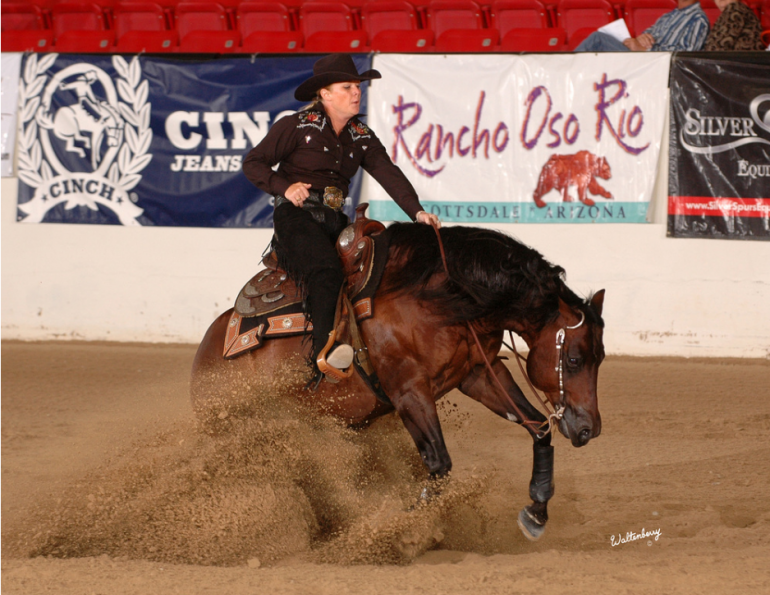
With Lisa Coulter - Contact is the connection that exists between the rider’s hand and the horse’s mouth. The connection is generated by the rider not only through the use of rein aids but with aids from the seat and leg also, and is felt by the horse not only in his mouth but throughout his entire body, making contact a more all-encompassing concept than simply rein contact. So how exactly should we define contact for the reining horse? Why is it important? How is it achieved? And what does it feel like?

Pages