79 Articles

Olds College offers multiple majors through their two-year Equine Science Diploma Program. The college continues to meet the needs of the horse industry by producing graduates skilled in Equine Business and Event Management, Production and Breeding Management, English and Western Horsemanship, and Equestrian Coaching.

The Horse Habit has been all about horses and their humans for the past 25 years. We serve both the English and Western markets with innovative products along with the tried and true. We have the best and warmest of winter wear, and the coolest of summer wear.

Equine Guelph and the Centre for Open Learning and Educational Support of the University of Guelph in Ontario provide a unique educational partnership dedicated to the health and well-being of horses. They offer expertise and leadership through online learning and professional development.

By Jess Hallas-Kilcoyne - Wanted! Loving Horse Owners: Giving Racehorses a Dignified Retirement.

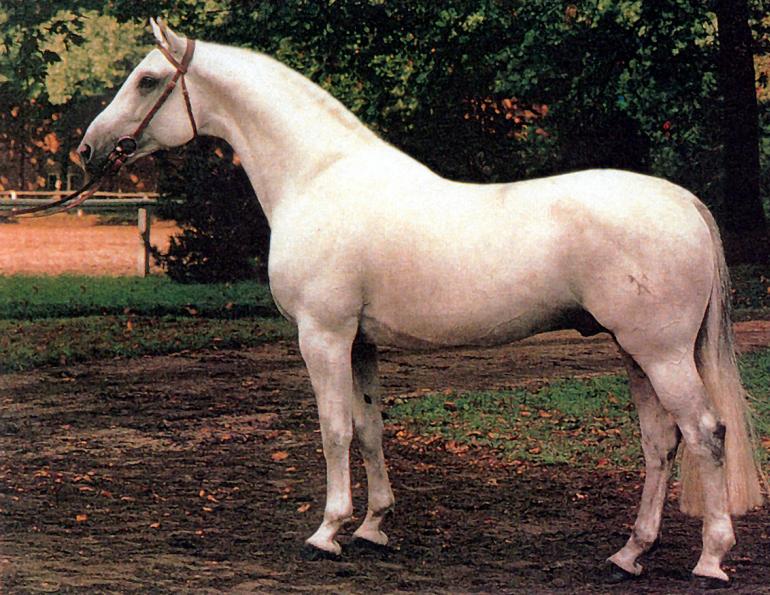
Canadian Warmblood Horse Breed, canadian warmblood equine, canadian warmblood horse, Equus Caballus Mosbachensi, canadian warmblood stallion approval, canadian warmblood stallion inspections

In this article, we’ll explore the registration, licensing, and inspection procedures of the Canadian Warmblood, the present state of Warmblood breeding programs in Canada, the future of the CWHBA, and the Canadian Warmblood in sport today. To fully understand the future of the Canadian Warmblood, let’s take a closer look at the CWHBA registration and approval processes.

Canadian Warmblood Horse Breed, canadian warmblood equine, canadian warmblood horse, Equus Caballus Mosbachensi, wild Rose Equine Services, distinct horse breed

These days however, riders don’t have to travel to Europe to purchase a horse suitable for performance in the Olympic disciplines. Warmblood breeding programs in Canada have gained amazing ground over the last couple of decades. Now, Canadian breeders are producing horses of the same calibre as their European counterparts.

Curly Horse

Curlies, as the Curly Horse is fondly called, have many unique characteristics, none the least of which are their versatility, hardiness, and gentleness.

dressage arena footing, horse lameness, Ellen Koch Alex Milne Associates, dressage arena Subsurface preparation, dressage arena footing hazards, Tara Kathol Conterra Industries

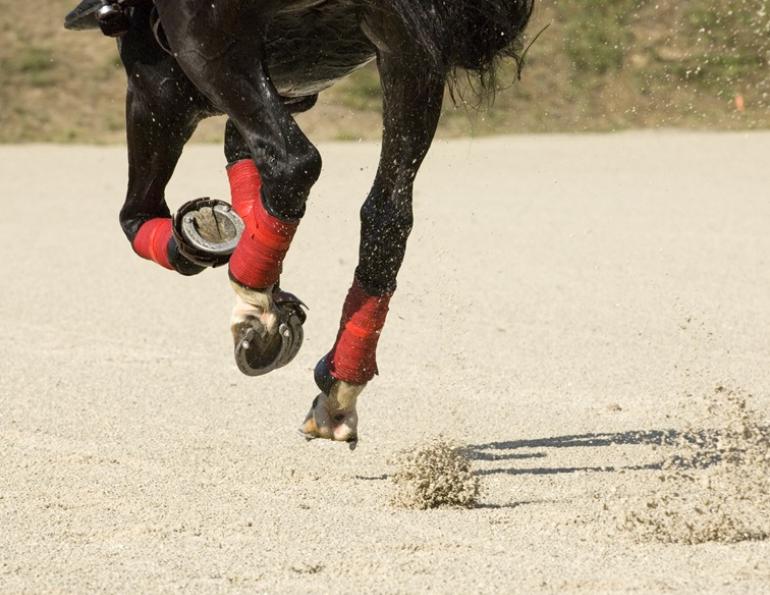
Arena footing has a significant impact on a horse’s performance and health. Good footing provides traction and cushions the impact of the horse’s feet, while poor footing can hurt a horse and impede performance.

Can't or Won't

I just sent home a horse that was full of “I can’t.” She was a very difficult and frustrating horse to work with because her instinctive reactiveness made it very hard for her to be successful. She was a scared horse with a hair trigger and had come to rely solely on her ability to get away.

Equine Behaviour & Learning Patterns

By Will Clinging - The behaviour and learning patterns of the horse play a major role in his training process. These patterns are established by instincts, genetic makeup, and environment. We are not in total control of these patterns but to some degree we can help or hinder the direction they go in.

By Will Clinging - In order to set realistic goals for yourself and your horse, you should first evaluate where your horse is right now. Once you have a goal, you need a plan to achieve success, because with the right approach success is just a matter of time.

By Will Clinging - Some time ago I wrote an article about giving your horse a break from training. I talked, if I recall correctly, about too much work over time becoming detrimental to the horse’s progress. Mental and physical breaks are needed to refresh the mind and the body.

By Will Clinging - It is not uncommon for a trainer to say that the horse is a flight animal. That is a simple enough concept but how do we deal with this instinct? Most horses use flight as their primary defense mechanism.

Finding the Right Coach

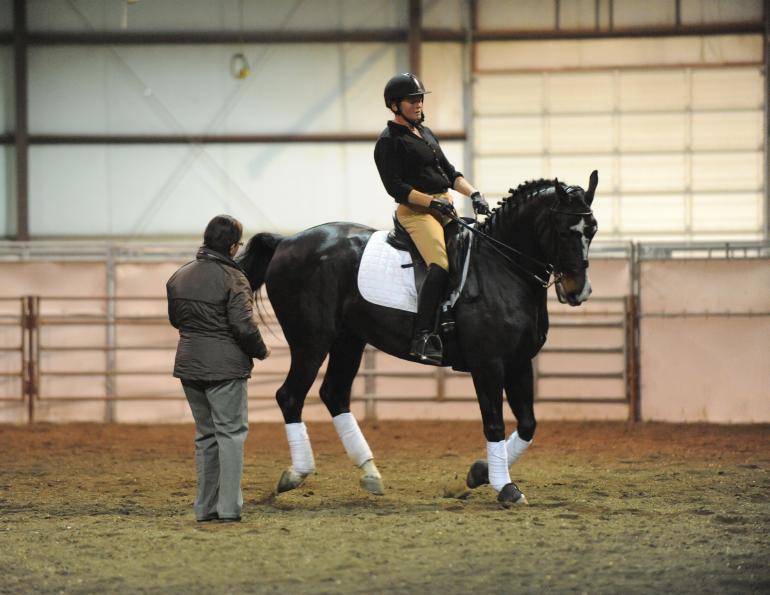
By Lindsay Grice - A good coach should be able to read their students and tailor their approach somewhat to meet their needs. Following are some questions to consider as you search for an instructor who will meet your needs.

Equine digestive tract, horse digestive system, Kentucky Equine Research, equine esophagus, equine fluid absorption, horse care, equine stomach, horse stomach, equine digestion

The horse’s digestive system is made up of the foregut (stomach and small intestine) and the hindgut (cecum and colon). An understanding of the structure and function of each section of the system can help horse owners keep their equine charges free of digestive upsets.

When working with a green horse, progress is not always consistent. The horse will plateau as he becomes confident in performing what he has been taught. The amount of progress we expect from the horse, and his physical and mental ability to handle increased expectations for performance, will be major factors in how quickly he improves.

commercial horse hauling, professional horse haulers, hauling horses, horse trailer, haul client's horse, haul boarder's horse

There are a number of considerations when dealing with “heavy trailers,” which is how most horse rigs are classified, not the least of which is how the vehicles and drivers are licensed.

horse genome project, gene mutations horses, respiratory illness horses, equine chromosones, horse studies

Recently, an international team of scientists decoded the genome of the domestic horse Equus caballus and the results, published in the journal Science, showed a genome structure remarkably similar to humans. The research was led by scientists at the Broad Institute of MIT and Harvard, a collaboration of Massachusetts Institute of Technology and Harvard University, in conjunction with an international group from 11 countries that all came together on the Horse Genome Project, which actually began in 1995.

By Lindsay Grice - We always need to look to a physical cause first as the key to any issue, with the realization that a horse with a good education and a relationship of respect and trust with the rider will push through the pain barrier. There is never an excuse for bucking.

By Lindsay Grice - If you are a results-oriented person, even on a limited budget, consider that it can be a false economy to do all the training yourself. A skilled professional has learned to avoid miscommunication that can slow down a horse’s education, or cause things to get worse before they get better. A real horseman knows how to use cues with the appropriate timing, intensity, and repetition (not too much, not too little) to get the job done efficiently.

Pages