72 Articles

How ride shoulder-in loop dressage, horse trainer Andrea Taylor, dressage exercises

Looking for an exercise to help develop your horse's uphill balance, self-carriage, and collected work? Olympic dressage rider and trainer Andrea Taylor suggests an exercise to improve these and other aspects of your horse's movement and training — the Shoulder-in Loop.

horse spring checkup, equine spring checkup, checking horse blanketing, checking horse skin, check for horse parasites, check horse's teeth, Evaluate horse Feeding Program, check horse vaccinations

Do you ride all winter, no matter how deep the snow gets, or do you hang up your saddle at the first cool breeze in autumn? If the winter season has caused any modifications in your horse’s exercise level or feeding plan, you will need to consider the following points as you bring the horse back into work in the spring.

Shipping Fever during horse trailering.

By Christina Weese - "Shipping fever” is a common name for pleuropneumonia, a serious infection involving the lungs and pleural cavity (the space between the lungs and the chest wall) that’s often caused by the stress of travel.When fluid is found only in the lungs, and not in the pleural cavity, it’s simply referred to as pneumonia.

9 Point Saddle Fit, Jochen Schleese, proper horse saddle fitting, Withers Clearance, Gullet width, channel Width, horse saddle tree angle, equine saddle fitting

Saddle fit has become a huge buzzword in the equestrian industry over the last 20 years or so as saddle designs slowly evolve to better accommodate the needs of the horse. Saddle fitting is a truly comprehensive art and science that involves getting the fit right for both parts of the equation – horse and rider.

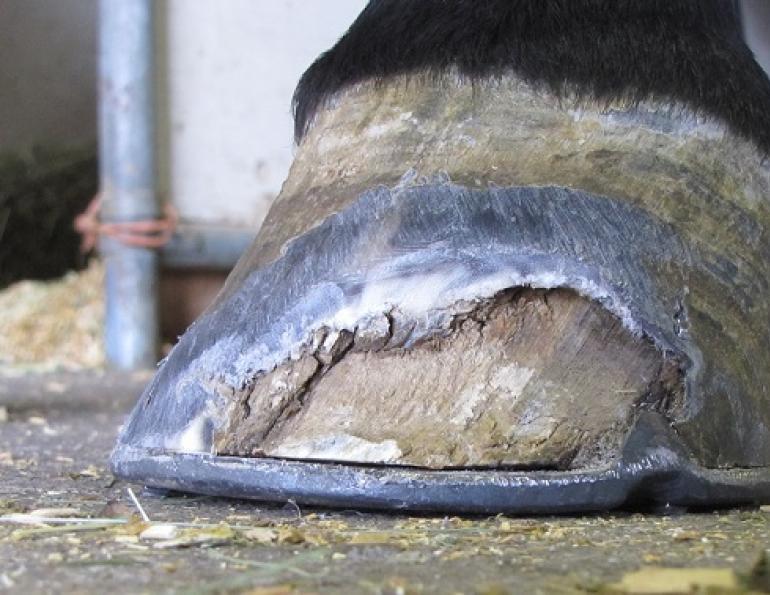
White Line Disease

By Kentucky Equine Research - The white line is the narrow, light-coloured band visible on the underside of a freshly trimmed hoof at the junction of the hoof wall and the sole. White line disease, an infection that causes separation of the wall, may be seen first at the white line but actually affects the zone of contact between the hard outer hoof wall and the middle layer of hoof tissue. It occurs most commonly in front feet but can occur in any foot.

Horse Buying Bewares

By Jess Hallas-Kilcoyne - Buying a horse is one of the most exciting experiences you will ever have as a horse person. However, the process of shopping for a horse can also be lengthy, difficult, and stressful. Unfortunately, it’s all too common for riders to end up purchasing horses that are unsuitable, whether in temperament, talent, or soundness – a decision with expensive, emotionally wrenching consequences.

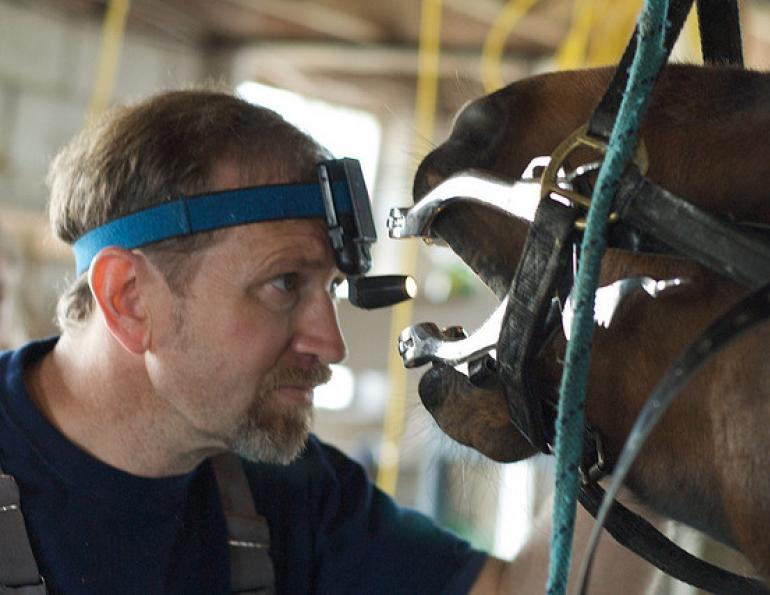
Common Signs of Dental Problems in Horses

By Horse Council BC - Your horse needs proper dental care just like you do. Left unattended, gums and teeth may become damaged over time, or food may become trapped, resulting in inflammation, infection, and ulceration. A horse’s teeth should be checked annually (preferably bi-annually) for signs of abnormal wear and other dental problems that may cause the horse any pain or discomfort.

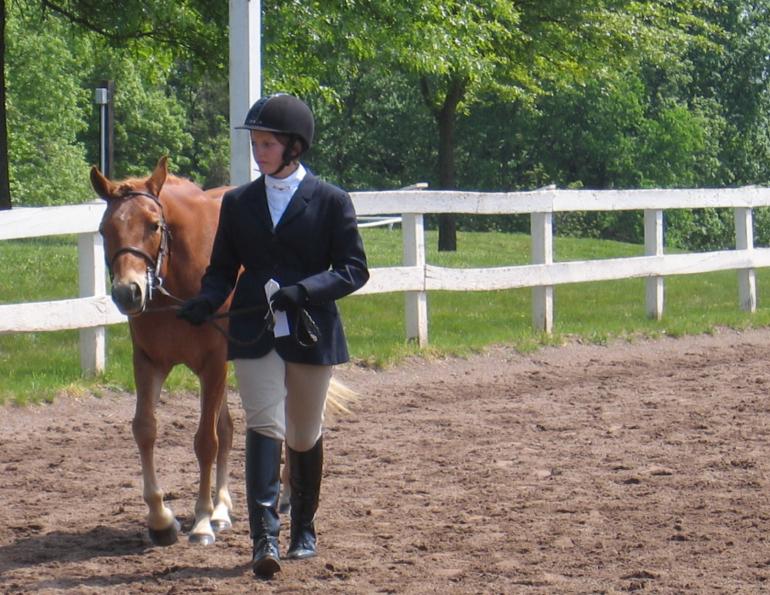
A Willing Trot in Showmanship

By Lindsay Grice - When your horse resists coming forward you will inspire him to do so by dialing up the level of discomfort and immediately releasing the pressure when he trots. Your timing is the key.

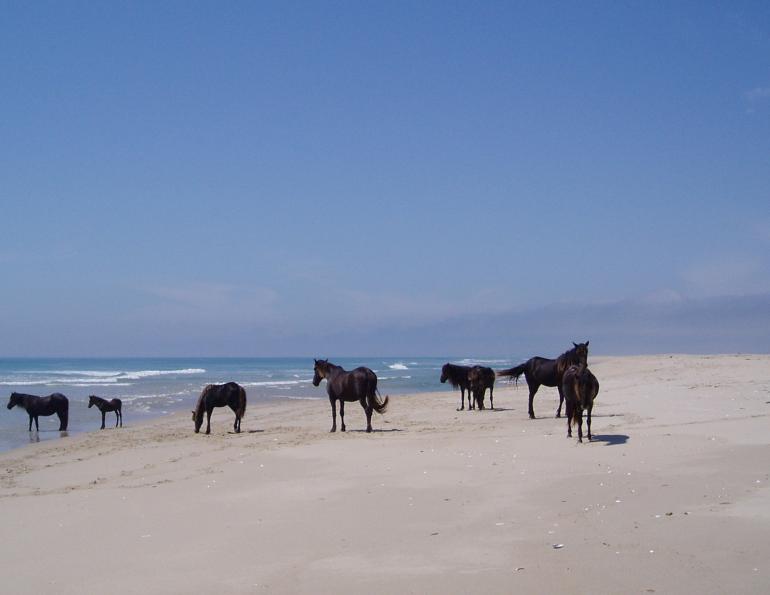
Sable Horses, wild horses sable island

Three hundred kilometres east of Halifax, Nova Scotia, lies a crescent-shaped island of sand 42 kilometres long by just 1.4 kilometres wide at low tide. Everything on this island – plants, animals, insects, the dunes themselves – is driven by the harsh influences of its foggy marine world where, over the centuries, this sliver of sand sculpted by churning seas and angry winds has been the graveyard of the Atlantic. Since 1583 there have been over 350 known shipwrecks on the island’s sand bars.

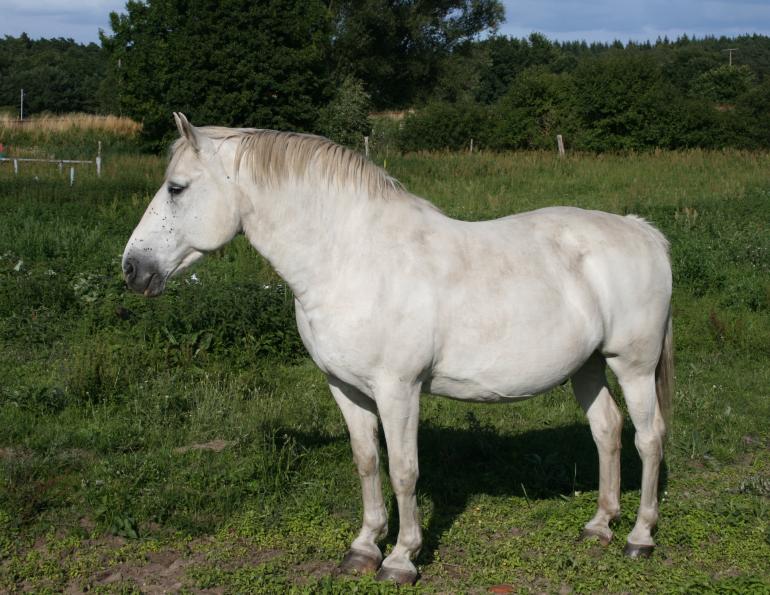
Equine Metabolic Syndrome, equine Obesity, fat horses, equine fat tissue, obese horses, equine insulin resistance, equine laminitis

Years ago, veterinarians recognized that obese horses develop a different metabolism than healthy horses. They often find it difficult to lose weight, even when on a strict diet, and are prone to laminitis. Researchers began to investigate the cause of this altered metabolism, which was eventually attributed to equine metabolic syndrome (EMS).

Pepping Up the Lazy Horse

By Lindsay Grice - Riding should not be an aerobic workout like riding an exercise bike. Self-carriage is when a horse maintains his pace, straightness, and frame or outline when you lighten up on your aids. You’re not really riding until you take the training wheels off!

Mismatched Horses & Riders

By Will Clinging - What makes a suitable horse and rider combination? This is a personal question that needs to be addressed on an individual basis. Too often I have worked with people who think they have found the perfect horse, the “horse of their dreams,” which is a problem in itself because a horse should not be acquired as an emotional decision.

Colostrum for Foals: The Magic Milk

Winter snow may still blanket the ground, but foaling season will be here before we know it. If you have a pregnant mare in your barn, plan ahead to collect and freeze some of her colostrum — that all-important first milk — so you have it on hand if a foal is born without access to this essential liquid.

Lessons for Young Horses, Pat Parelli, Natural Horsemanship, Kalley Krickeberg

You may not be able to ride him yet, but the time you spend with a young horse is invaluable. There are so many lessons you can teach a horse in that formative first year that will be useful for his entire life.

Tips for Choosing Good Quality Leather Tack

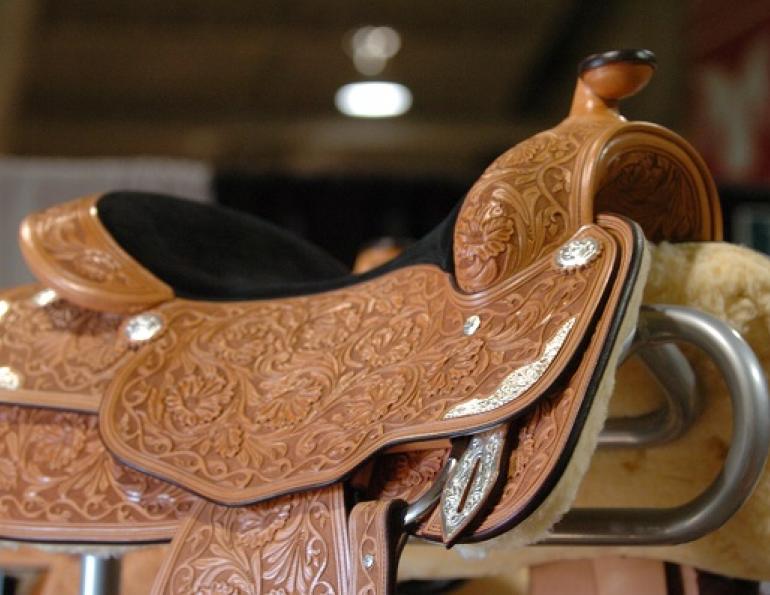
By Anna Carner Blangiforti - Tack made from hides that were poorly tanned in caustic solutions, made from hides given bad dye jobs, made using leather cut from the stretchy belly portion of a hide, or made cutting any other manufacturing corners cannot be improved by after-market cleaners or conditioners. If you buy tack at a bargain price, be prepared to get what you pay for.

equine flaxseed, horse flaxseed, Dr. Nerida Richards, equine linseed, flaxseed equine feed ingredient

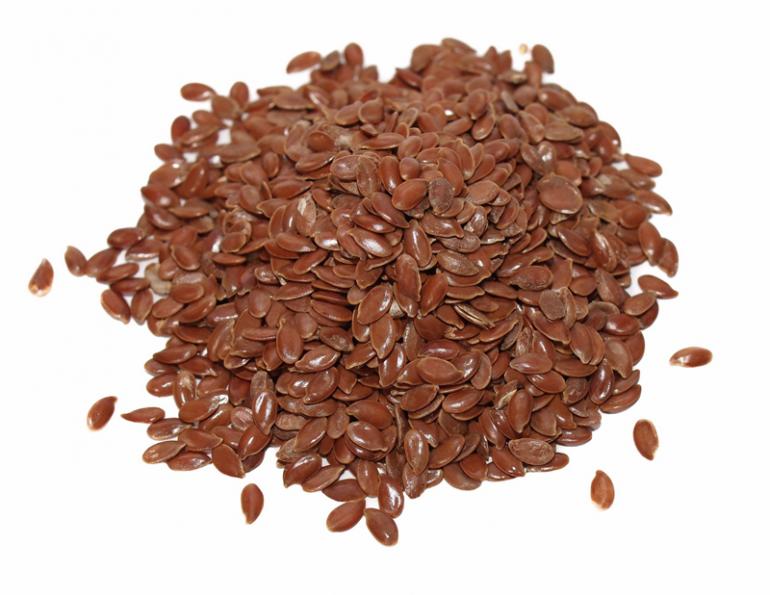
Flaxseed (also known as linseed) is a valued feed ingredient amongst horse people. How it should be used has long been the subject of considerable debate. Its safety for horses has always been under question and methods of preparation are many and varied.

Matthew Hudson explains collection for the reining horse

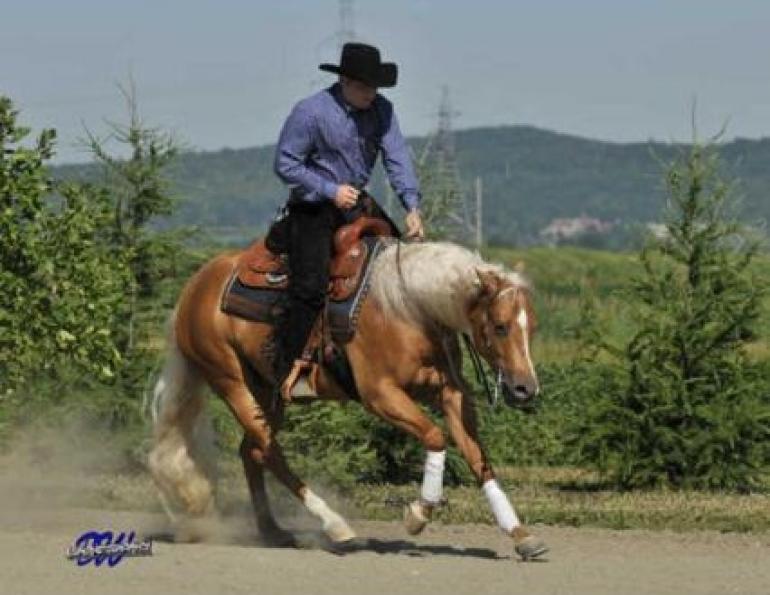
With Matthew Hudson - When a horse is collected – which means that he is engaged from behind and elevated up front and light in the mouth – it is much easier for him to perform any required task, especially the demanding manoeuvres of a reining pattern. If we can make it easier for the horse, then, in turn, he will be more willing mentally to try. If you try to get your horse to spin or do a sliding stop when he is strung out, hollow-backed with most of his weight on the forehand, high-headed, and heavy in your hands, it won’t be easy for you or the horse, and it definitely won’t be pretty.

How to Prepare for Piaffe and Passage, Bonny Bonnello, dressage training pyramid apex, equine collection, equine lateral work, horse half-halt to decreased stride

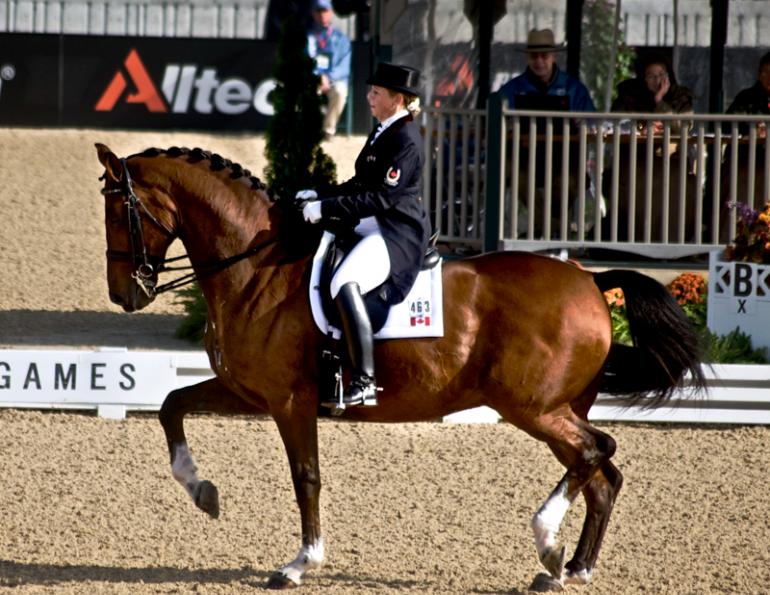
With Bonny Bonnello - The apex of the dressage training pyramid, collection is of the utmost importance for a dressage horse when it comes to performing expressive flying changes, half-passes, piaffe, and passage. Collection can be described as the shortening of your horse’s frame – not just his neck, but his complete longitudinal frame – and transferring more weight onto the hindquarters. But this shortening should not affect the forward rhythm.

Circle Z Ranch, winter horse holidays, horse rider retreat,

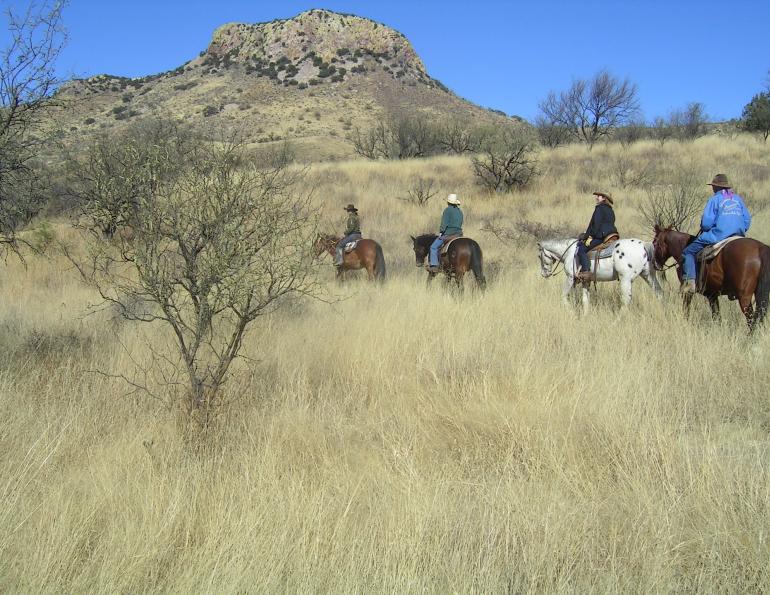
The oldest continuously operating dude ranch in Arizona (since the 1920s), Circle Z Ranch in Patagonia is a 6500-acre oasis of peace and calm, perfect for a relaxing retreat. Managers Jock and Pamela Soper began visiting Circle Z in the 1980s as guests, fell in love with the ranch, land, and people, and are now in their third season as staff.

Horse Management Tips for Cold Temperatures

By Holly Wiemers - Bitter cold temperatures have been a theme this winter, and are now here again. While the ideal time for cold weather preparation is in the fall, there are management tips recommended by experts to help keep your horses healthy now. According to Bob Coleman, extension horse specialist within the University of Kentucky’s Department of Animal and Food Sciences, horse owners should also think about preparing for acute versus chronic cold.

Pages