Diseases

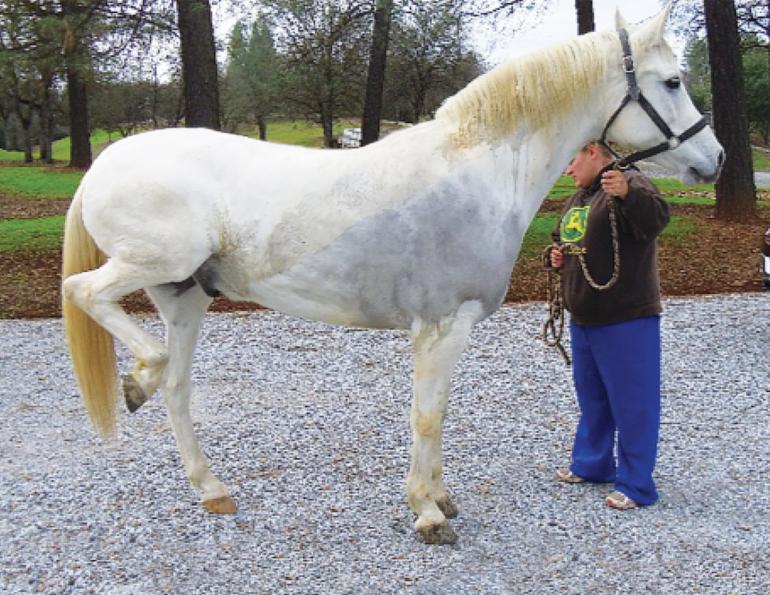
Hypochaeris radicata, stringhalt equine reflex hypertonia, diseases horses, horse walking strange, equine hindlimbs stringhalt, uc davis center for equine health

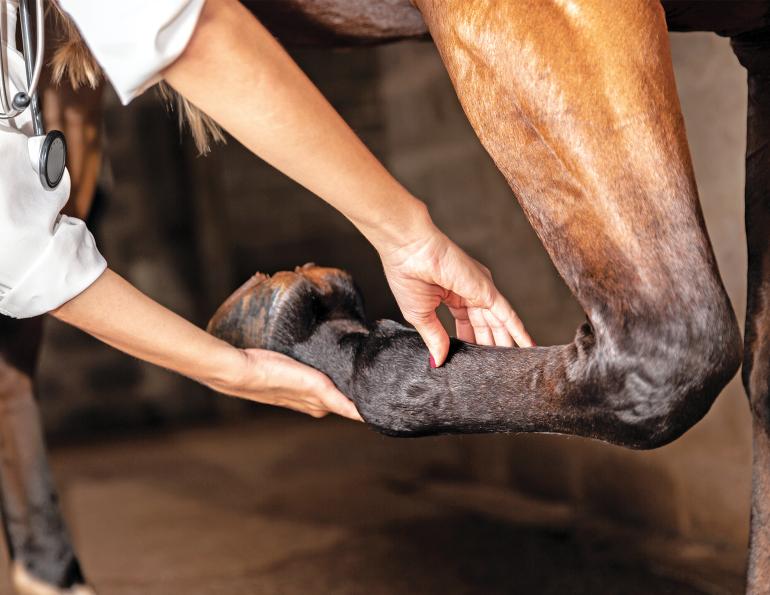
Stringhalt, or equine reflex hypertonia, is a neuromuscular condition that causes a gait abnormality characterized by involuntary, exaggerated upward movement of one or both of the hindlimbs. It looks like a jerk or hop, with the affected hindlimb(s) snapped up towards the abdomen. This generally occurs with every stride at the walk but can lessen at the trot and is usually absent at the canter. The degree of hyperflexion varies from mild to severe and is most obvious when the horse is turning sharply, backing, going down a slope, in the first few walking steps after standing still, or during gait transitions. A hopping gait may be exhibited in severe cases.

equine joint disease, arthritis in horses, treating sore joints horses, x rays horse joints, ultrasound horses, diane gibbard

It is estimated that a staggering 60 percent of all equine lameness is due to arthritis and joint disease. One of the biggest challenges is that some arthritic horses might not show signs of lameness when there is damage and inflammation in the joint; therefore, proper prevention and early diagnosis is key to managing the progression of joint disease. There are many potential causes of equine arthritis.

racehorse death, sudden death racehorses, drugs and racehorses, thoroughbred horses, journal of the american veterinary medicine, equine injury database, equine science update, mark andrews

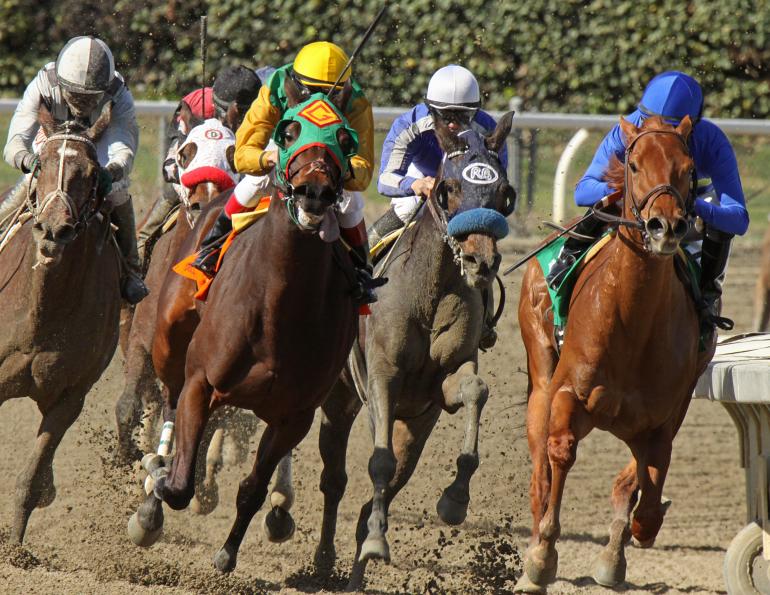
A drug that has been widely used in Thoroughbred racehorses in North America could increase the risk of sudden death, according to a new study. The research also identified other risk factors associated with sudden death, relating to the circumstances of the race and individual histories of the horses.

nutrition for the foal, calcium for mare and foal, creep feed system, shelagh niblock, deveopmental orthopedic disease equines

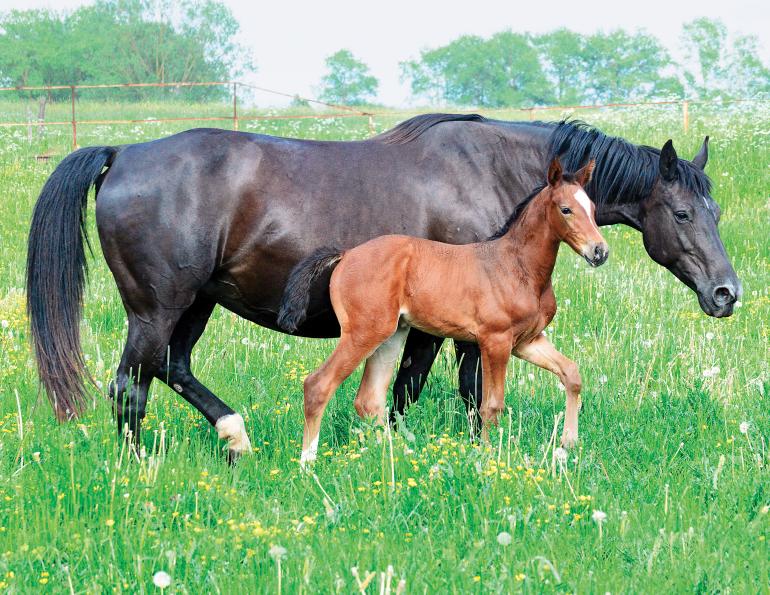
Managing Nutrition for Safe Growth in Young Horses - For any horse owner, the birth of a foal is always an eagerly awaited event. That baby, the product of the carefully planned mating of two superior parents, can elicit a range of emotions for the owner, including excitement and awe, but often anxiety and worry as well. One of the concerns the owner of a newborn foal may have involves the risk of the foal developing developmental orthopedic disease (DOD), which is a name applied to a group of conditions that can affect the growing foal, including physitis, acquired angular limb deformities, flexural deformities, cervical vertebral malformations, acquired vertebral deformities, and finally, osteochondrosis (OC).

equine eye disease, equine vision, lynne sandmeyer dvm, small animal clinical sciences wcvm, equine eye anatomy, equine corneal ulcer, equine conjunctival pedical graft, equine uveitis, equine iris, equien glaucoma, equine cataract, equine enucleation surgery, horse care

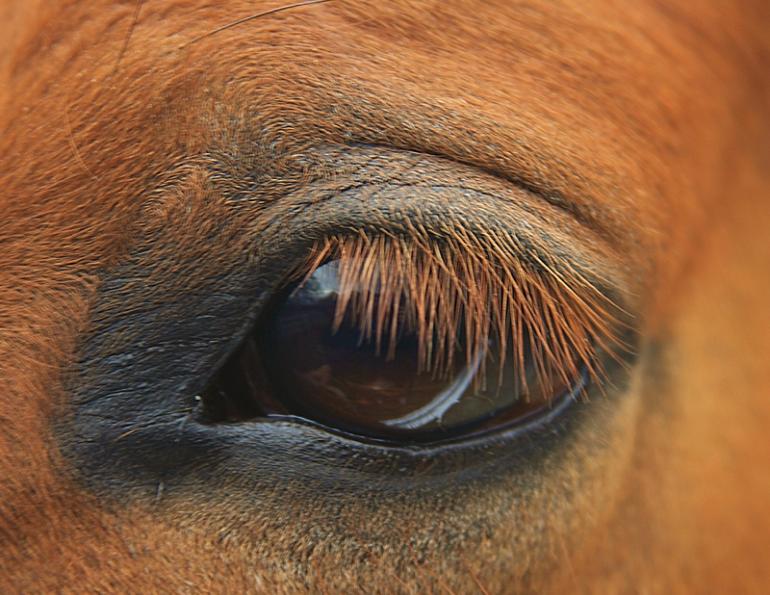
The equine eye is a complex and elegantly designed organ that functions to allow capture of light and conversion of light into an electrical stimulus, which is then transmitted to the brain and interpreted into vision. This function is reflected in the structure of the eye.

massage for horses, chiropractic for horses, laser therapy horses, equine joint therapy, how to do carrot stretches with horses

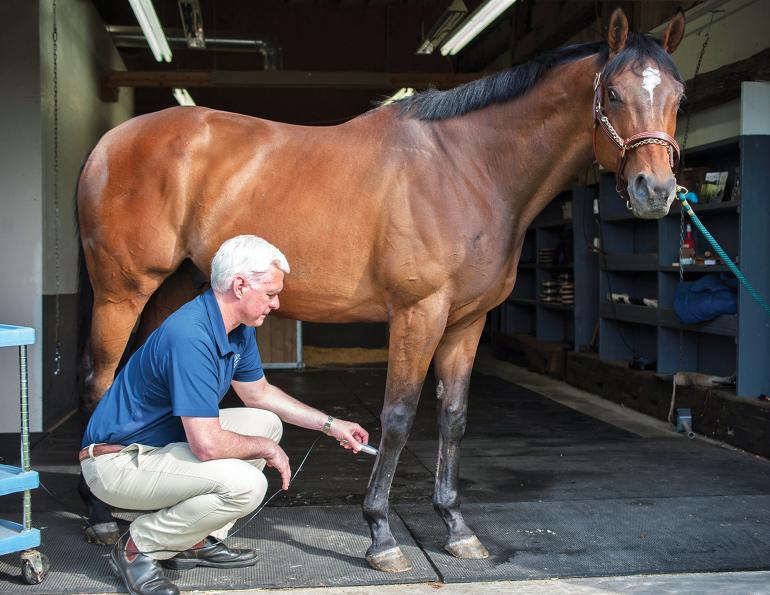
An Explainer - “In sport horses, we see a lot of injuries,” says Dr. Sarah Malenchak, who owns Westhills Equine Veterinary Services in Stony Plain, Alberta. “But we want the horses feeling as good as possible as soon as possible so they can go back into work. Plus, we want them to heal properly, so they don’t reinjure themselves,” she says.

x rays horses, ultrasound horses, mri horse, laser therapy horse, what sort of imaging does my horse need, my horse is lame

Soft tissue and skeletal injuries are of significant concern in sport horses. Fortunately, veterinary knowledge and technology are rapidly advancing to quickly and accurately diagnose and treat such issues. Medical imaging technologies have become powerful diagnostic tools. Each approach has its own strengths and weaknesses, but the modalities are often successfully used in combination with one another to accurately facilitate diagnosis and direct appropriate treatment.

horses salmonellosis, how to prevent salmonellosis horses, causes of horse salmonellosis, treating equine salmonellosis, uc davis veterinary

Salmonellosis is a disease associated with the bacteria Salmonella enterica that causes diarrhea in horses and humans. It is usually seen sporadically but may become an epidemic depending on the virulence of the organism, level of exposure, and host factors.

antibiotics equine gut, gut health horses, equine colic prevention, probiotics horses, prebiotic horses, intravenous antimicrobial drugs, equine guelph, ontario veterinary college

The thinking on how we use antibiotics is changing in the world of medicine, especially as we learn more about their impact on the inhabitants of the gut. Ontario Veterinary College researcher Dr. Diego Gomez took part in a collaborative study with researchers across North America to study the effects of intravenous antimicrobials on the equine gut.

equine obesity, obesity equine fertility, laminitis equine obesity, studies equine obesity, heart problems horse, Natalia Siwinska and colleagues at the Faculty of Veterinary Medicine, Wroclaw University of Environmental and Life Sciences in Poland

Obesity has a significant impact on the structural changes in cardiovascular tissue in horses, a recent study has found. Obesity is known to have significant adverse effects on horse health with laminitis an obvious example, but it can also contribute to other problems such as those affecting soundness or fertility.

Pages