Diseases

equine herpes virus, diseases horses, flies horses, infectious diseases horses, aerosol droplets horses, preventing illness horses, equine biosecurity, equestrian pathogens

Preventing the spread of infectious diseases in horses starts with understanding how pathogens are transmitted. Disease-causing organisms can reach horses through multiple routes, making biosecurity a crucial part of equine care.

Potomac Horse Fever Canada, PHF horses Canada, equine diseases Canada, horse health summer, equine colitis, horse vaccination Canada, insect-borne horse disease, equine biosecurity

What Every Horse Owner Should Know - As summer arrives, veterinarians and horse owners across Canada grow increasingly concerned about Potomac Horse Fever (PHF). Once rare, the disease is appearing more often in regions north of the United States. Potomac is now considered endemic in Ontario, Quebec, Nova Scotia, Manitoba, Alberta, and British Columbia.

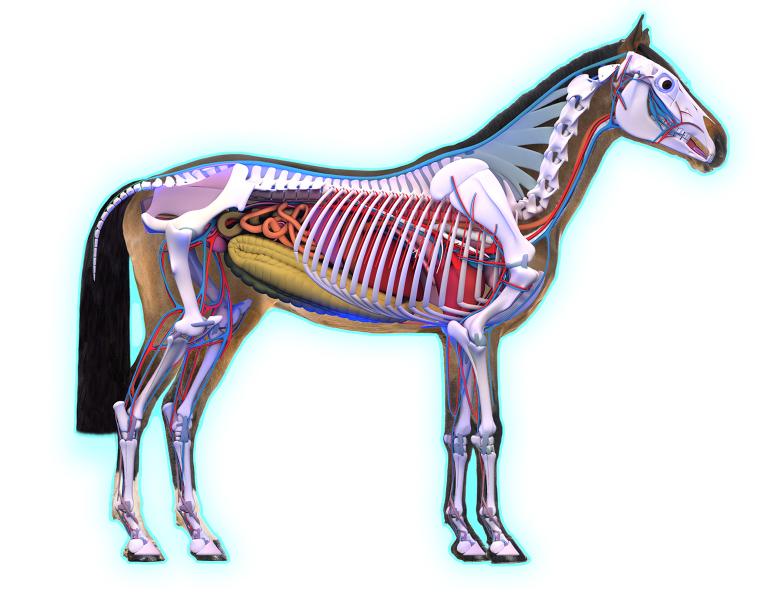
horse colic, what is equine colic, equine digestive tract, preventing horse colic, treating horse colic, how much water horse, how much exercise horse, what should a horse eat, colic risk rater, equine guelph

If there’s one word that strikes fear into the hearts and minds of horse owners, it’s “colic.” Used to describe any form of abdominal pain, colic can affect horses for many reasons and in any season, although cold weather months are a particularly challenging time with increased risk of impaction-related colic.

strangles, symptoms of strangles, strangles outbreak, treatment strangles, how to prevent strangles, signs of strangles, steps to contain strangles, s. equi infection

How to reduce the risk, recognize the symptoms, and take steps to manage an outbreak. Strangles is a highly contagious infection caused by the bacterium, Streptococcus equi (S. equi). It is not an airborne virus. Rather, the bacteria spreads through contact, which could be direct nose-to-nose between horses, or via contaminated surfaces or equipment such as shared halters, lead shanks, cross-ties, feed tubs, stall walls, fencing, clothing, hands, the hair coat from other barn pets, grooming tools, water buckets, and communal troughs.

treathing thrush horses, preventing thrush horses, symptoms of horse thrush, anatomy of horse hoof, equine guelph

Thrush is a prevalent hoof ailment in horses, typically resulting from a fungal infection that deteriorates the frog's tissue. This condition primarily develops in the sulci (grooves) on either side of the frog and in the central cleft. If neglected, thrush can spread to the deeper, more sensitive structures within the hoof, potentially leading to lameness.

horse health lines canadian horse journal, western college veterinary medicine newsletter, wcvm equine courses, universities for veterinarians equestrians

Take an inside look into the latest the scientific studies at the University of Saskatchewan's veterinary college, with the Western College of Veterinary Medicine's semi-annual newsletter: Horse Health Lines.

thumps in horses, synchronous diaphragmatic flutter, horse electrolyte imbalance, sweating and electrolyte loss in horses, endurance horse health, horse dehydration, calcium imbalance in horses, phrenic nerve dysfunction, performance horse nutrition, preventing thumps in horses, electrolyte supplementation for horses

The more your horse sweats, the greater the risk of electrolyte imbalance and thumps. Also known as synchronous diaphragmatic flutter, thumps looks alarmingly like hiccups in humans — a rhythmic “thump” or twitch of the horse’s flank that often matches its heartbeat.

horse vaccination, equine vaccines, horse immune system, vaccination schedule horses, equine disease prevention, horse health management, biosecurity horses, vaccination program horses, horse care basics

The immune system is the body’s defense against infection. Vaccines help the body to develop immunity by imitating an infection and are intended to create and maintain immunity against specific diseases for a period of time. Together with good management and biosecurity practices aimed at preventing and controlling infection, a vaccination program can minimize the horse’s risk of getting sick, as well as lessen the severity of sickness and reduce the risk of spread to other animals if sickness does occur.

equine veterinarian shortage Canada, equine vet safety, veterinary workplace injuries, equine vet burnout, horse vet availability, equine industry Canada, veterinary well-being, horse owner access to vets, equine veterinary workforce, PPE for equine vets

How injury, overwork, and a culture of endurance are pushing Canada’s equine vets to the limit. With an ongoing equine veterinarian shortage in Canada, there’s a concern that equine vets, already stretched thin, are also being injured at work at alarming rates.

Laminitis is a serious hoof condition, but advances in treatment offer hope. Learn causes, risks, and why early care improves outcomes for horses.

For many horse owners, few diagnoses are as alarming as laminitis. It is often associated with the loss of soundness, and in severe cases, the loss of the horse itself. Although laminitis remains a serious and potentially devastating condition that demands immediate attention, advances in research and treatment have significantly improved outcomes. Today, horses that might once have been considered beyond recovery can, in many cases, be successfully managed. A diagnosis no longer automatically signals the end.

Pages