Winter

is it okay for a horse to shiver? does a horse need a blanket if it's below freezing? do clipped horses need blankets? can i layer horse blankets? can a horse overheat even if it's freezing? can i blanket a hot sweaty horse? is my horse blanket waterproof? types of horse blankets, rain sheets horses, fly sheets horses, stable blankets horses, turnout sheets horses

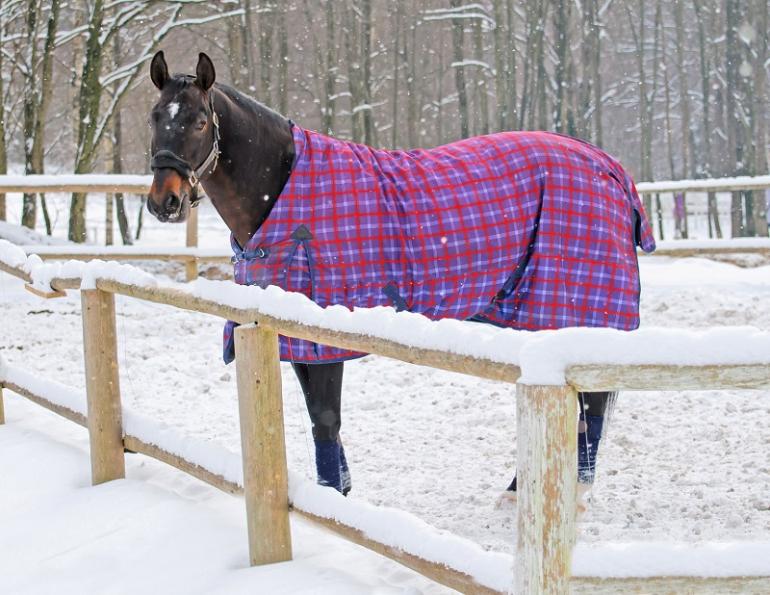
Blanketing your horse in winter might seem straightforward — just throw on a cover when the temperature drops and you’re done. In reality, it’s a far more nuanced decision. From choosing the right type of blanket to understanding when and how to use it, there’s a balance between keeping your horse comfortable, preventing health issues, and avoiding unnecessary wear or overheating. Add in the swirl of advice from seasoned barn hands, online forums, and long-held myths, and it’s no wonder many horse owners find themselves second-guessing their choices. This guide will cut through the confusion, explore the facts, and help you develop a practical blanketing routine tailored to your horse’s needs and your local climate.

mud horses, mud management horses, hanit mud control grids, improve drainage horse barn, wet horse paddocks, best footing muddy horse paddock, mats for stable mud management

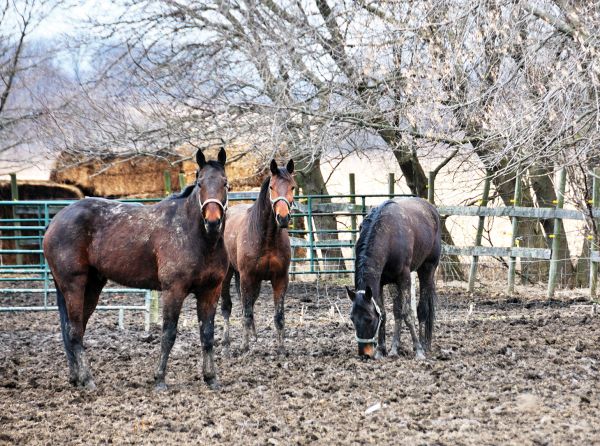
Mud season can be a real challenge for horse owners. Managing water and footing is essential to prevent the area from turning into a soupy mess. This past spring, we moved onto our own five-acre property and are preparing for our first fall and winter with our herd of four on a track system. It takes creative solutions to keep horses high, dry, and out of the muck, at least most of the time. No matter where you live in Canada, these ideas will help you manage the muddy seasons in your area.

stalled horses impact health, are horses okay isolated, alice ruet equine science mark andrews, housing horses in individual boxes

Horses are commonly housed in individual boxes. While this may be convenient and prevent injuries from other horses, it may also be detrimental to the horse’s welfare, especially if access to pasture is limited. A paper by Alice Ruet and colleagues investigated the effect of various management practices on the display of behavioural indicators of compromised welfare in housed horses.

climate change horse industry, prepare horse farm for climate change, heat dome horses, rescuing horses disaster, hay shortages, colic horses

Climate change is increasingly affecting horses, horse properties, and their owners across Canada. In recent surveys, nearly 90 percent of Canadians reported noticing the impacts of climate change in their communities. Horses are facing rising health risks, including respiratory diseases from wildfire smoke and dust, skin conditions and hoof damage caused by unpredictable weather, and new parasites and diseases. Horse owners are also dealing with higher hay costs, unexpected veterinary expenses, and challenges related to weather disruptions, such as riding limitations. Meanwhile, owners of horse properties are working to repair damage from severe storms, flooding, droughts, and high winds.

Overcoming horse breeding challenges, solutions to horse breeding challenges, improving horse breeding chances, uterine infections in horses, poor perineal conformation in horses, persistent breeding-induced endometritis in horses, how does stress affect horse breeding, Oviductal blockage in horses, equine reproductive evaluation, how improve odds of horse breeding

“Don’t let those mares sit all fall and winter, with untreated conditions such as a uterine infection,” says Dr. Tracey Chenier, theriogenologist and researcher from the Ontario Veterinary College at the University of Guelph. “Have a thorough veterinary evaluation to help ensure her uterus is clean and she is healthy and cycling early next year, for the best chance of a positive outcome.”

Do Horses need electrolytes in Winter?, horse electrolytes, equine dehydration, equine impactions, Dr. Wendy Pearson

Question: Does my horse need electrolytes if he barely sweats during cold weather rides?

how to clip horse's tail, grooming tail of horse, using clippers on horse

Clipping is one of those jobs that many horse owners despise — it’s messy, time consuming, and too often can be stressful for both horse and owner. But you don’t have to dread clipping your horse. If you know how to use the clippers correctly and keep the horse calm and relaxed throughout the experience, you can end up with a horse that looks like he’s been to the groomers, rather than just having survived a fight with a lawnmower.

The Equine Heart, what should my horse's heart rate be, what is a normal rhythm horse heart, equine electrocardiogram, heart rate variability horse

Skipped Beats, Sudden Death… and Why We Shouldn’t Worry Too Much. When you first start examining patients as a veterinary student, you’re very keen to (gently) poke and prod every animal you come across. Realizing you can assess cardiovascular function by palpating peripheral pulses is very empowering!

Horse Blankets, are Horse Blankets necessary, horse body temperature, buying a horse blanket, horse blanket do's and dont's, do horses need blankets

Whether or not to blanket a horse is an often-debated question and there are many logical and justifiable reasons to go either way. In normal weather conditions, many horses do not need a blanket, especially if they have access to food and shelter and have grown a healthy, thick winter coat. But for horses with special needs such as older or geriatric horses, pregnant mares, horses with compromised health conditions, or horses that have been clipped, blankets are certainly appropriate. Consideration should also be given to the horse’s breed, hair coat quality, feeding routine, and its acclimatization to the existing conditions.

nutrition for horses, grazing in fall horses, electrolytes horses, winter horse nutrition, hay cubes winter horses

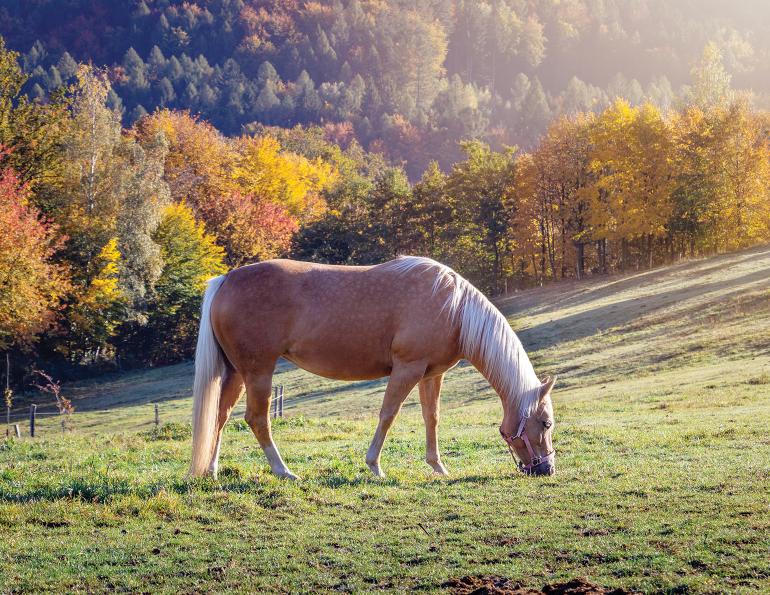
In the Autumn season, beautiful leaves and cooler temperatures are a reminder that winter weather will soon settle in. Horses have already shed their summer coats and are busy growing thicker winter ones, and their environment is adjusting to seasonal changes too. The arrival of fall is a great time to assess your horse’s overall health and body condition, and determine what he needs for winter.

Pages