How-To

Dental health older horse, joint pain older horse, nutrition senior horse, gut health aging horse, ppid horses, cushing's disease horses, horse laminitis, ems equine metabolic syndrome, eye health old horse, exercising senior horse, signs horse is getting old

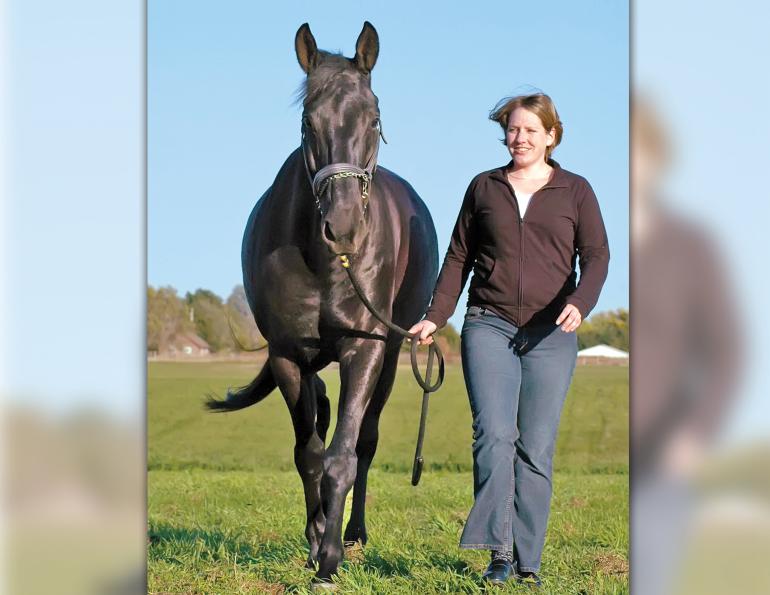
Like humans, horses are living longer than ever. Typically, older horses will live into their twenties and often into their thirties. It’s natural to worry about your horse’s health into the golden years. Studies report that 70 percent of horses aged 20 years or older have some type of health issue requiring modifications in management practices and veterinary care. Let’s examine the six key issues your older horse might face, and tips to help you keep your horse feeling comfortable during those senior years.

GROUNDWORK horses, exercises for horses, keeping a horse fit, jec ballou horse fitness, how to keep my horse healthy without riding, exercising a horse without riding

4 Key Principles - As the shorter, colder winter months settle in, brief but purposeful groundwork sessions become critical for a horse’s physiology. Granted, fitness-based groundwork will not keep a horse at peak performance level, but it will prevent total erosion of neuromuscular and metabolic fitness during times of abbreviated schedules.

overcoming horse tension, equine stiffness, equine tension, will clinging

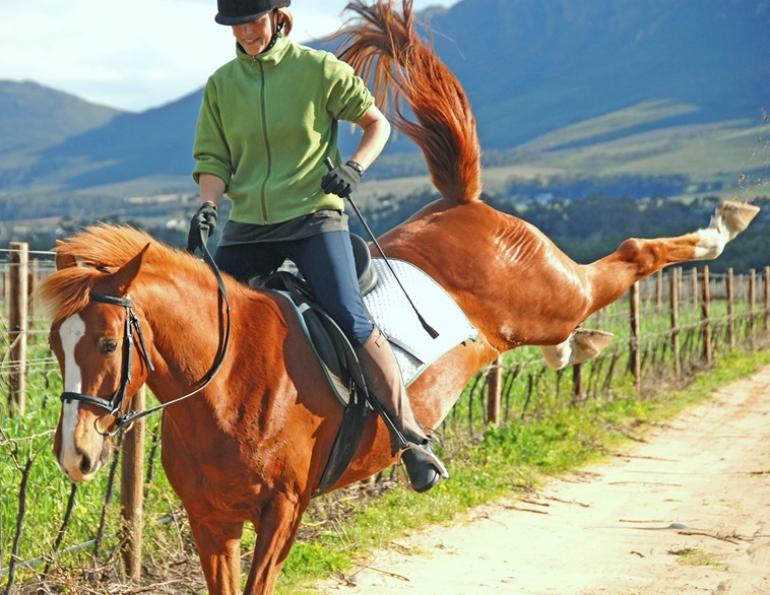
Tension can interfere with nearly every aspect of a horse’s performance and learning. Some horses become so tight and rigid that they physically cannot perform certain movements, which often triggers frustration or anxiety — both of which only increase the level of tension.

how to fall off of a horse, protect your child from horse accidents, riding a horse safely, land safe equestrian

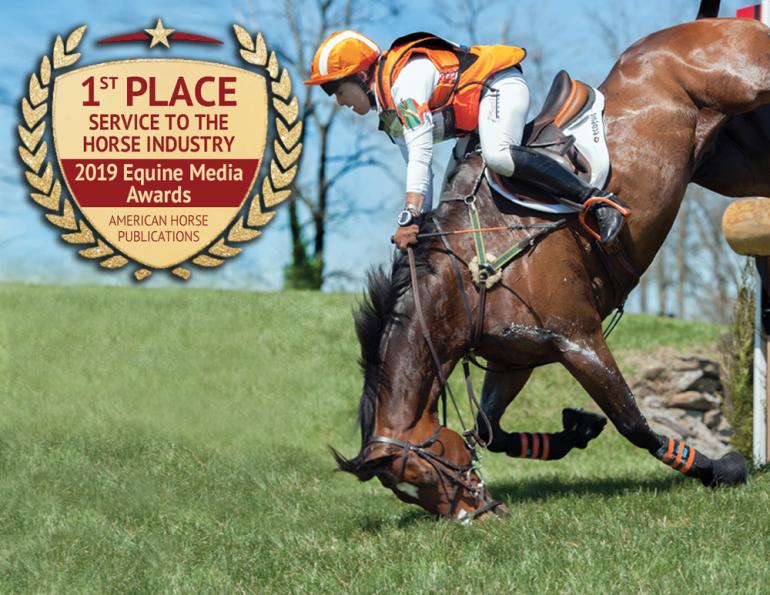
In January 2003, Penny Woodworth, who lives on Vancouver Island, BC, was taking a jumping lesson. “Smallish jumps, nothing exciting. My long-time error is looking down, which I did that day. My horse stopped, and I tumbled off. Not a bad fall at all, except that I landed with one butt-cheek on the ground pole. I got up and carried on, but I was crooked and stayed that way. After a week or so, still riding crooked and feeling shooting pains down my right leg, I went for physiotherapy. I had dislocated my sacroiliac (SI) joint. Regular physio treatments and exercises finally got it to stay in place and I continued riding.

Lindsay Grice, how to enjoy fall winter with Your Horse, meeting your equine goals, explore alternate activities with your horse, horse training, bonding with your horse, winter horse riding, autumn horse riding

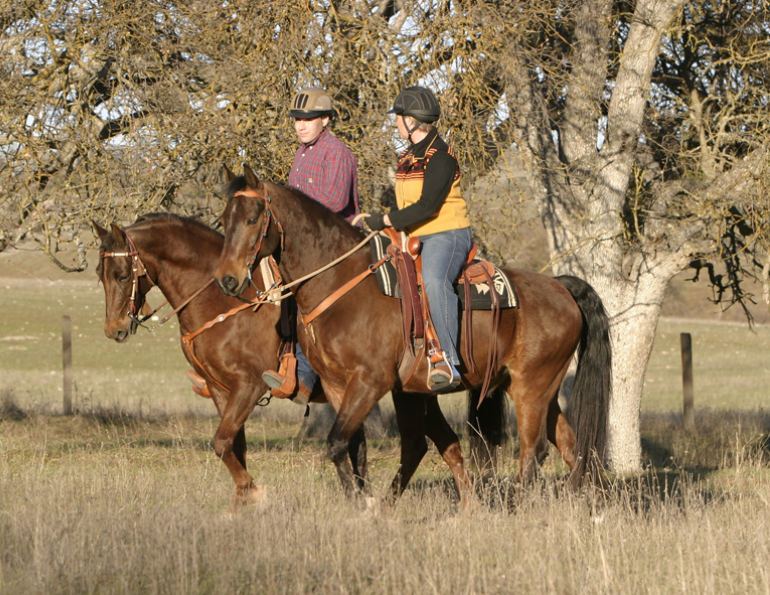
Fall fairs, circuit championships, and club awards banquets signal the end of another horse show season. So how did it go? Did your shows, rodeos, or competitive trail rides meet your expectations? For the majority of horse owners, the answer to this question will likely be no. Stuff happens. And so we look toward the next year. But with chilly fall and winter weather looming, we all need some goals to motivate us to get off the couch and out to the arena on those cold nights!

horse scared trailer, horse psychology, how to be respectful of my horse, how to talk to horse, helping my horse hard times, alexa linton

How clear communication and great preparation is your best support for an easy transition.

teaching a horse self-carriage, horse bulging on circle, horse not responding to rein aids, horse riding a circle, proper alignment horse circles, lindsay grice horse training

Keeping Circles on Track - The equestrian’s quest for the perfect circle crosses all disciplines. For Western and English riders, geometry matters. Horse show judges expect to see circles of uniform size and curves ridden with the horse’s body shaped to follow the arc. In dressage and reining, riders must show a clear distinction between large and small circles. In working equitation, circles around barrels and figure-eights must be symmetrical. In equitation and horsemanship patterns, judges frown on oval-shaped “circles.” In all classes, judges will deduct marks for circles of inaccurate size and over-arced or counter-flexed body alignment.

equine emergency preparedness, horses stuck flooding, preventing barn fire, emergency services horses, help for horses disaster, kevan garecki, bc flooding horses

While one can’t plan for every form of disaster, it’s important to familiarize yourself with any potential risks that could occur in your area and plan for them accordingly. Planning ahead can allow horse owners the opportunity to stay composed and act quickly in an emergency situation.

proprioception for horse riders, understanding equine proprioception, proprioceptive senses of horses, preventing horse rider injury by improving proprioceptive awareness, Alexa Linton, equine sports therapy

When you think about injury prevention, tendon strengthening, joint lubricating, and health supporting interventions for your horses, do you also consider improving their proprioception? Supporting this often-overlooked aspect of function can be a game-changer for our horses.

neck reining, what is equine neck reining?, understanding horse neck reining, what bit for my horse?, what are curb bits for horses? Lindsay Grice, what are leverage bits for horses?, understanding horse bits, how to adjust horse reins, Western riding neck reining tips

Do you think I should I try a different bit? This question is familiar to me as a coach, launching me and the rider I’m working with into a bigger conversation. My answer will be shaped by the reasons why the rider is considering another bit option.

Pages