Ground Work & Handling

McKee-Pownall Equine Services, equine lameness, is my horse able to work, how lame is my horse, aaep lameness scale, hoof care horses

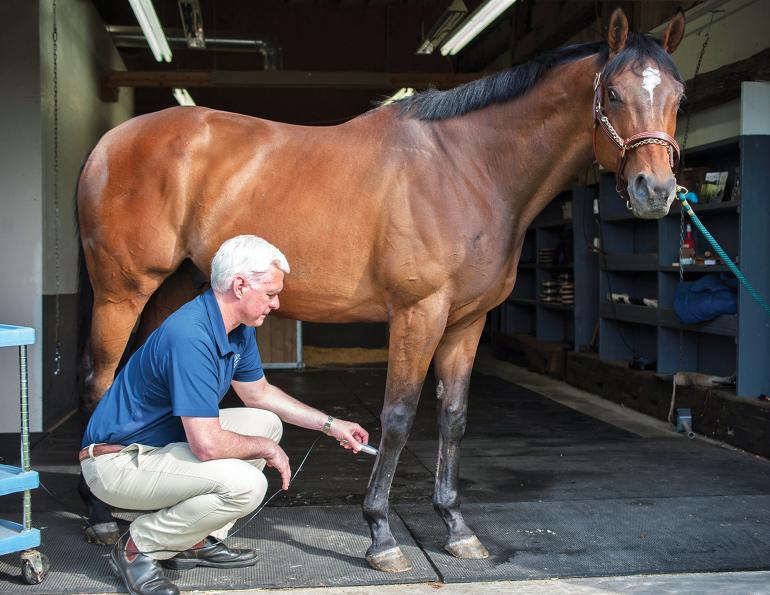
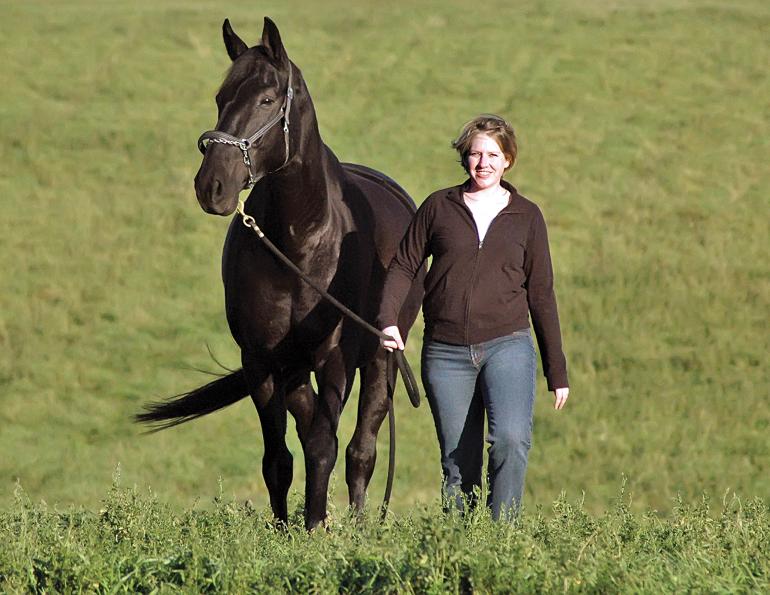
Most horses aren’t simply pasture pets — they provide some sort of active service to their owners. But many horses are not totally sound, and most horse sports don’t allow lame horses to compete. Lameness generally means a horse is in pain; hence, it’s not acceptable to ride lame horses. So, what can owners and riders do? Gerard Laverty says many horses that are less than 100 percent sound are living comfortable lives as “serviceably sound” partners. “It’s most horses that have saddles on,” he says. Laverty teaches the farrier science program at Kwantlen Polytechnic University in Surrey, British Columbia and has his own farrier business.

overheating horse too hot summer riding heat

A hot humid day. One rider. One horse. Both are exercising at a moderate level. Who is more likely to overheat? It might surprise you to learn that your horse gets hotter much faster than you and is more susceptible to the negative effects of heat stress. Prof. Michael Lindinger, an animal and exercise physiologist at the University of Guelph, explains: “It only takes 17 minutes of moderate intensity exercise in hot, humid weather to raise a horse’s temperature to dangerous levels. That’s three to ten times faster than in humans. Horses feel the heat much worse than we do.”

colt starting competition, tania millen, how to start a horse, working with foal, jim anderson higher horsemanship, heart of the horse, niki flundra horse trainer, glenn stewart horse, jill barron horse

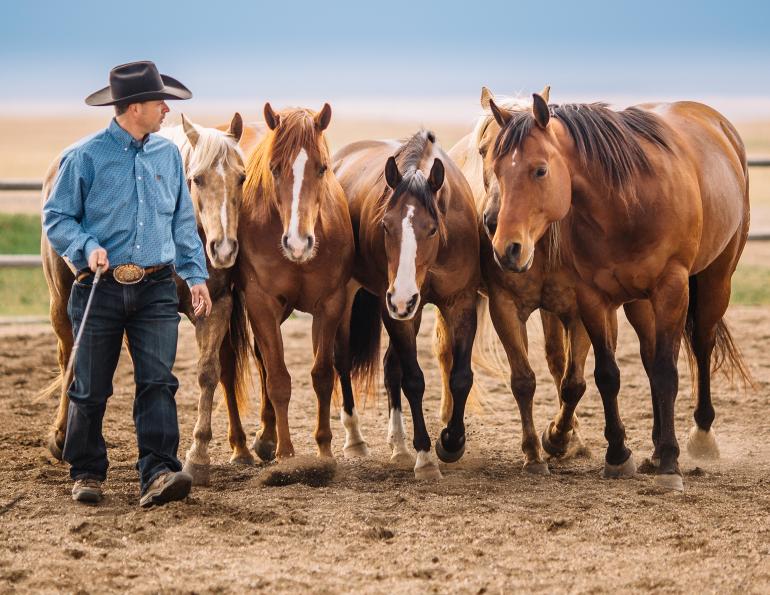
Are They Good, Bad, or a Bit of Both? Colt starting competitions are wildly popular with audiences, imbuing a sense of wonder at what trainers can do with previously unhandled three-year-old horses (colts) in just a few hours. They’re judged events, where each trainer is paired with an unbroke horse and has just a few hours to start it under saddle. While the trainers work with their horses, they explain their training methods to the audience. On the third and final day of the competition, the trainers show off their horse’s skills over an obstacle course. The young horses are started by top-notch trainers, the spectators are entertained, and the trainers win prizes and kudos for their skills. So, what’s not to like?

riding horses simulator, equine science update mark andrews, saddle research trust's conference

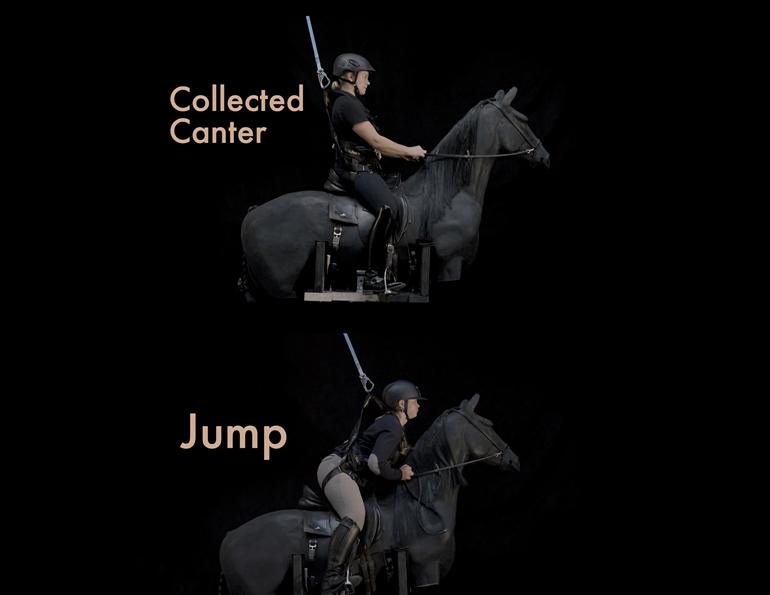
A novel horse-riding simulator offers new possibilities for rider training and welfare of the ridden horse. The simulator was developed at the Department of Mechanical Engineering at Lappeenranta-Lahti University of Technology (LUT) in Finland, as part of a project to monitor body and brain behaviour of both professional and non-professional riders.

traditional horsemanship practices, alexa linton, how to lead a horse, how to mount a horse, how to clean horse tack, best horse bits and saddle

Why do we have them? What keeps us practicing them? As I write this article, I find it ironic that I am laid up on the couch with a lower back injury, brought on by the age-old tradition of lifting, hauling, and generally doing way too much when my body wasn’t up to the task. From my recovery position, it seems fitting to attempt to grapple with the rather sticky topic of traditions, and why we often feel so compelled to stick to them. I’ve touched on this a little in my past articles, but today I want to really dig in and unpack why and how traditions become traditions and what keeps us practicing them, sometimes long past their best before date.

horse stretches, carrot stretches horses, help horse supple, jec ballou, groundwork for horses

The disappointing news of fitness is that we cannot keep repeating the same thing to get results. After a while, we need to modify exercises in order to keep gaining conditioning adaptations from them. Otherwise, the body becomes so efficient and habituated at performing movements that it recruits fewer muscle fibres to do them and operates with less involvement from the nervous system. Movements become robotic, a state in which no conditioning gains occur.

Jonathan Field, horses at liberty, how to connect with horse

Liberty means to play with a horse with no ropes. I clearly remember the first time I saw a horse run up to someone and follow them at liberty. It blew my mind!

Jonathan Field, natural horsemanship, equine ground skills horse, connecting with horse, obstacles for horses, equine mind, horse mind, bombproofing horse

In this next series of articles, I will share with you a very special horse of mine named Camaroon LXXXIV, or “Cam”, an eight-year-old Andalusian stallion. I’ve had Cam for two years and we’re really starting to connect. It’s been quite a journey to get here, however, and I want to share some of the gems I have learned along the way.

Stan Walchuk, Jr, trail horse training, off season trail horse, desensitize horse, bomb proof horse, horse trail riding tips, winter horse training

Trail horses are like kids; they need structure, direction, and appropriate discipline. Strong foundation training is built by the exercises and habituation that we provide. Metaphorically speaking, grade one is everything for a trail horse.

Love Your Horse, but Riding Scared?, April Clay, M.Ed., afraid of horse, fearful of your horse, anxious horse riding, overcoming horse riding stress, breaking up with your horse, make up or break up with your horse

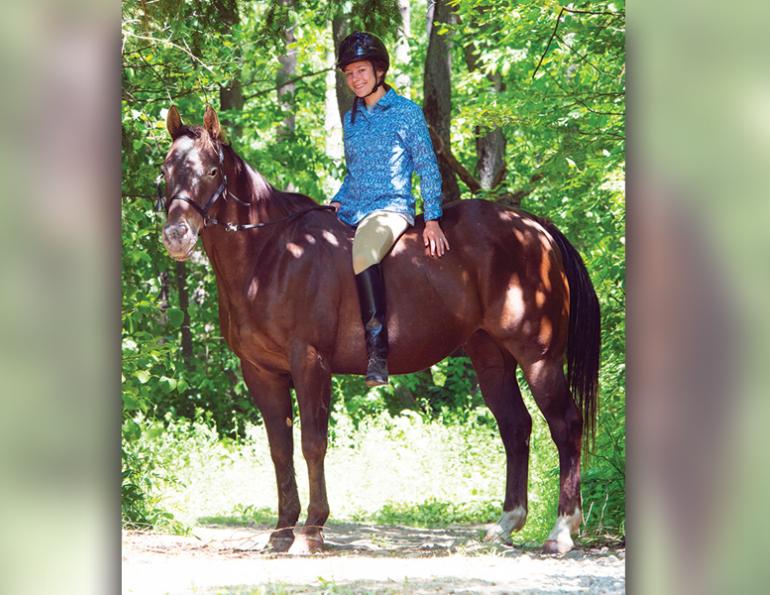
If you have been riding for some time, chances are you have come across a mount that challenged you. Or maybe he scared you. Perhaps the horse forced you to face that very difficult question: Is this the wrong horse for me… or is it just me? What can you do when fear cripples your riding experience?

Pages