Hunter Jumper

winter horse, riding in winter, training in winter, conditioning horse, keep horse fit winter, horse stretches, carrot stretch

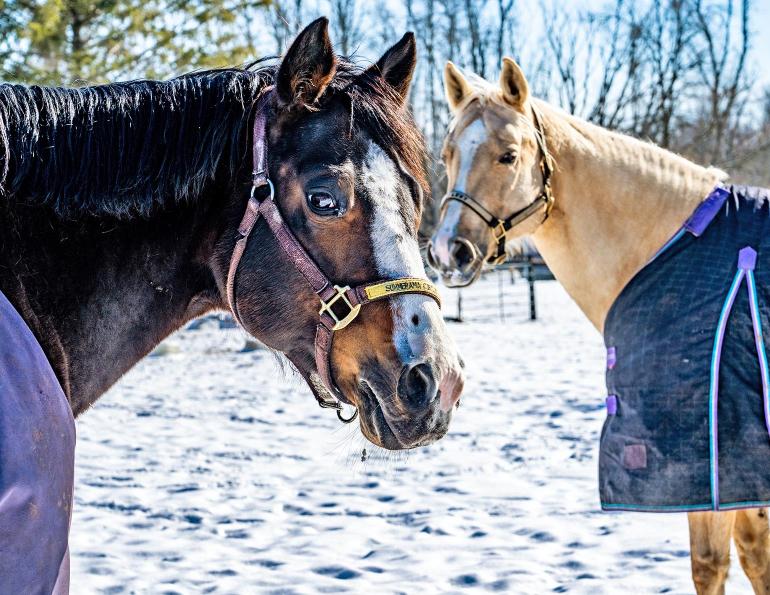
Time off is an inevitable part of a horse's life, whether due to bad weather, personal schedules, or other factors. However, how horse owners manage these breaks can significantly affect their horse’s health, soundness, and performance over time. Research by veterinary colleges and experts on movement science reveals that large fluctuations in fitness can harm a horse’s well-being, especially for those beyond the middle of their teens. Extended periods of low activity—especially those spanning a month or more-can weaken supportive tissues and muscles crucial to posture. When training resumes, horses may use improper substitutive muscles and positions, leading to poor performance, injury, or a lack of training progress. To help you optimize downtime and keep your horse on track, here are three essential guidelines to coordinate breaks effectively and even use them to enhance your horse's training.

Lindsay Grice, how to enjoy fall winter with Your Horse, meeting your equine goals, explore alternate activities with your horse, horse training, bonding with your horse, winter horse riding, autumn horse riding

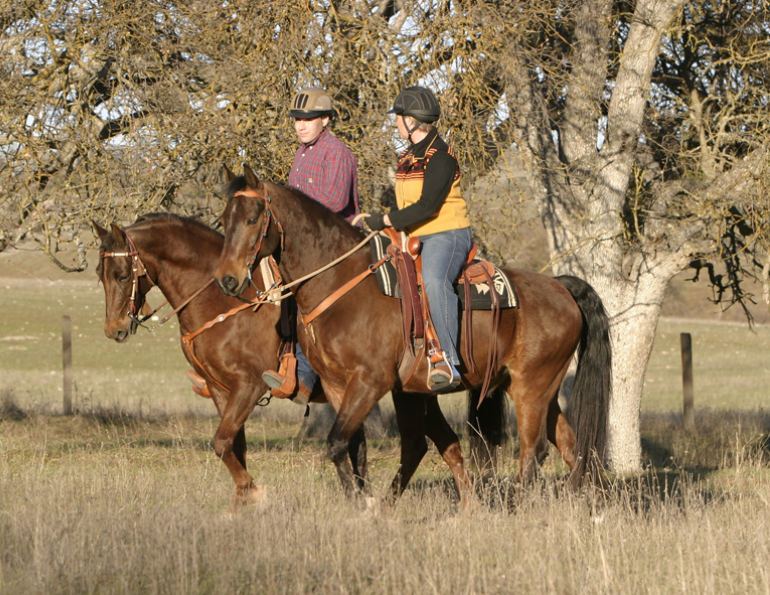
Fall fairs, circuit championships, and club awards banquets signal the end of another horse show season. So how did it go? Did your shows, rodeos, or competitive trail rides meet your expectations? For the majority of horse owners, the answer to this question will likely be no. Stuff happens. And so we look toward the next year. But with chilly fall and winter weather looming, we all need some goals to motivate us to get off the couch and out to the arena on those cold nights!

teaching a horse self-carriage, horse bulging on circle, horse not responding to rein aids, horse riding a circle, proper alignment horse circles, lindsay grice horse training

Keeping Circles on Track - The equestrian’s quest for the perfect circle crosses all disciplines. For Western and English riders, geometry matters. Horse show judges expect to see circles of uniform size and curves ridden with the horse’s body shaped to follow the arc. In dressage and reining, riders must show a clear distinction between large and small circles. In working equitation, circles around barrels and figure-eights must be symmetrical. In equitation and horsemanship patterns, judges frown on oval-shaped “circles.” In all classes, judges will deduct marks for circles of inaccurate size and over-arced or counter-flexed body alignment.

Ron Southern of Spruce Meadows, Margaret Southern of Spruce Meadows, show jumping in Canada, history of Spruce Meadows, legacy of Spruce Meadows, history of equi-fair, show jumping Spruce Meadows

Spruce Meadows has shone a bright light on show jumping in Canada and lifted Canadian riders to the upper echelons of the sport. The best show jumpers of the last 50 years have competed at Spruce Meadows, allowing up-and-coming Canadians to watch and ride with the best.

gymnastic horse jumping, adjust horse's stride, horse jumping, horse jumping exercises, brian mortan, show jumping, shorten horse's stride, lengthen horse's stride, horse impulsion, horse engagement

Accomplished show jumper, horse trainer, and resident rider at Spruce Meadows in Calgary, Alberta, Brian Morton’s defines collection as "the shortening of the horse's outline and stride, with increased impulsion and engagement from the hind end." He emphasizes that "If you are not able to shorten your horse’s stride, you will never be able to get a horse to fit a stride into a line that is set short. And, if you lose the impulsion when you shorten the stride, you will never be able to produce a powerful round jumping effort off a short distance.”

Importance of horse show volunteers, horse show volunteer Barbara Jackson, Canadian Sport Horse Association volunteering, unsung horse show heroes, Canadian horse woman Barbara Jackson

It’s easy to get caught up in the excitement of a horse show — the impeccably groomed horses, the polished riders, the vibrant atmosphere, the thrill of victory. A ribbon passed from one hand to another becomes a shining testament to hours of dedication, passion, and commitment. Amidst the buzz, it might also be easy to overlook the lady holding the basket of ribbons, who is smiling ear to ear as she celebrates your victory. You might not realize that it is her victory, too.

schooling horses, lindsay grice, how to practice for horse show, beginners exercises horse, side pass horse, trail obstacles horses, horsemanship, riding coach

Do you sometimes yourself leaving the mounting block, fixing your stirrups, and unsure of what to focus on in your next training session? When your coach asks about your progress since your last lesson, do you often admit that you’ve mostly just been riding without a clear goal in mind?

five rein aids horses, bearing rein aid, , opening rein aid, pulley rein aid, indirect rein aid, direct rein aid, riding horses rein aids, sarah mellings, ec certified coaches

Whenever I coach a new group of riders at a clinic or in a lesson, I am always surprised at how few people can tell me the five different rein aids and the purpose of each. Therefore, it is always a question I like to throw out to the group. I usually see people looking down and moving their hands around, some vague stares, and the occasional rider being able to describe at least one or two of the five.

evolution of ponies, riding ponies, training ponies, children and ponies, nikki alvin smith, what to look for in a pony, my pony bites

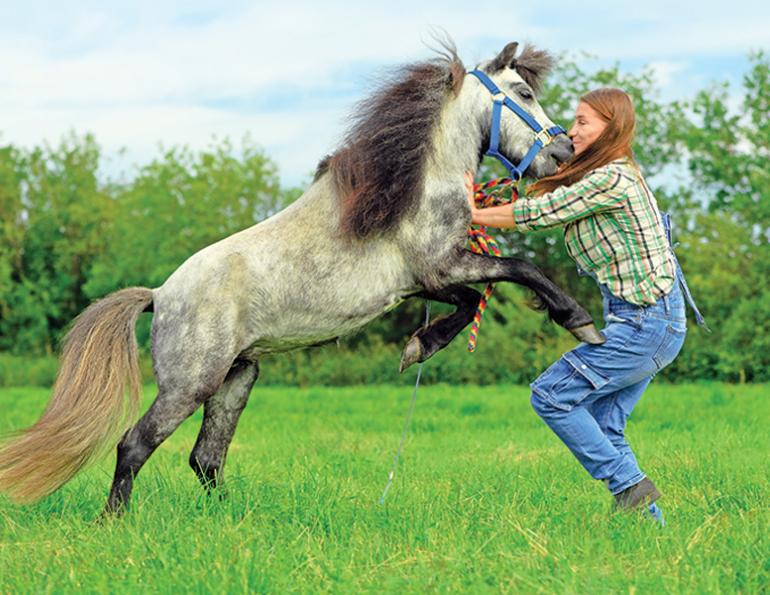
Sadly, ponies get a lot of bad press. Even so, their reputation as being lazy, stubborn, and difficult to train, plus their seemingly inherent displays of poor behaviour, have less to do with their innate nature and more to do with a lack of training.

Kendal lehari three-day eventing rider, how to succeed as a horse rider, Canadian equestrian athletes, successful Canadian horse riders, tracy vollman Canada's world equestrian games endurance team, jim greendyk performance horses

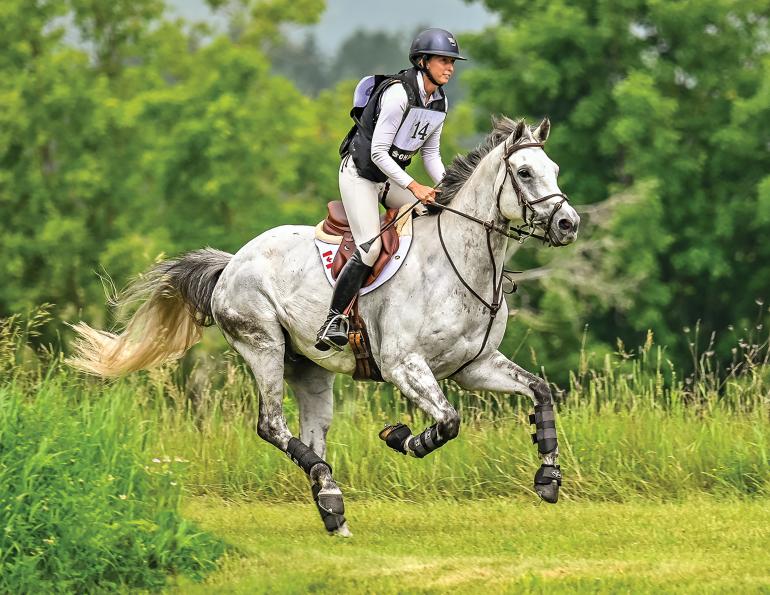
Canada is a massive country, with large distances between equine competitions and a relatively small number of upper-level equestrians. Hence, Canadian riders who want to be competitive at upper levels struggle to find enough higher-level competitions to advance their riding careers. Canada also has winter weather that precludes many riders from training outside for half the year. This can limit advancement and horse fitness. For example, three-day event riders can’t school cross-country jumps or get their gallop training in when fields are drifted with snow, nor can endurance riders do long rides on varied terrain.

Pages