Western Pleasure

canter pirhouettes, cow horse stops, reining spin, footfalls reining, clix photography, tania millen, shawna sapergia, vern sapergia, cow horse turnaround, how to turn reining horse around, canter turns

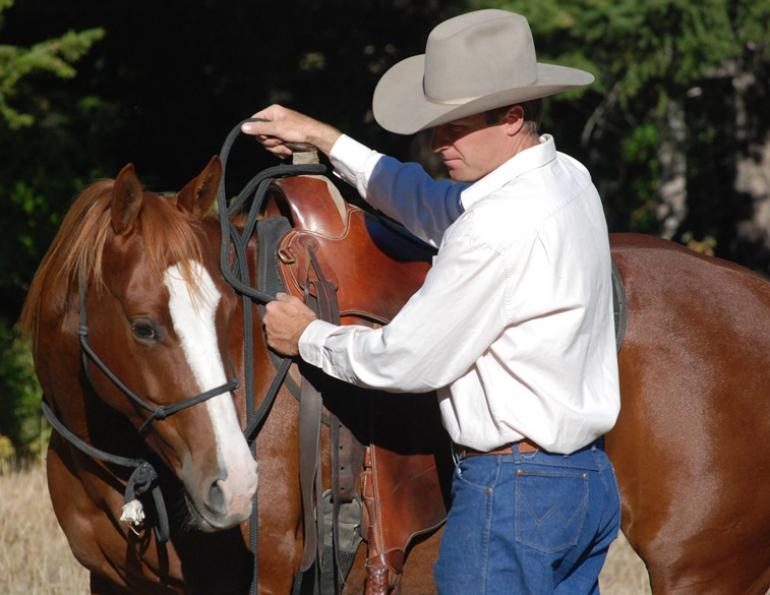
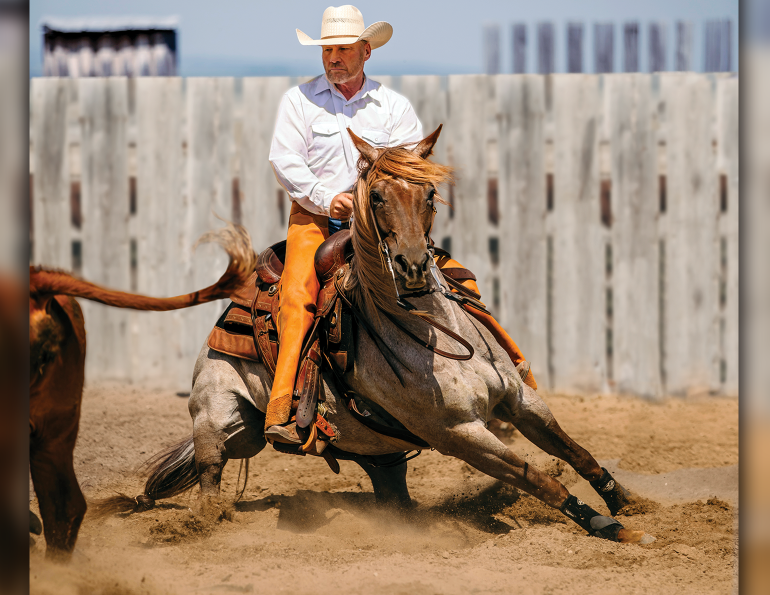
Each equestrian discipline has its own specialized movements, requiring distinct training, balance and footwork. While some of these maneuvers may look similar, they serve unique purposes within their respective sports. For instance, in dressage, riders guide their horse’s front end around the hindquarters in elegant pirouettes; ranch riders execute quick 180-degree turns to track cattle; and reining horses perform fast, precise 360-degree spins. Although all involve turning, the reasons and techniques behind these movements are different. To understand their purpose, timing, and differences, we consulted a dressage rider, a ranch horseman, and a reining judge for insight.

spurs for western riding, spurs for english riding, are spurs ethical on horses, jec ballou horse riding, how to use spurs on horses, history of horse spurs, riding training aids

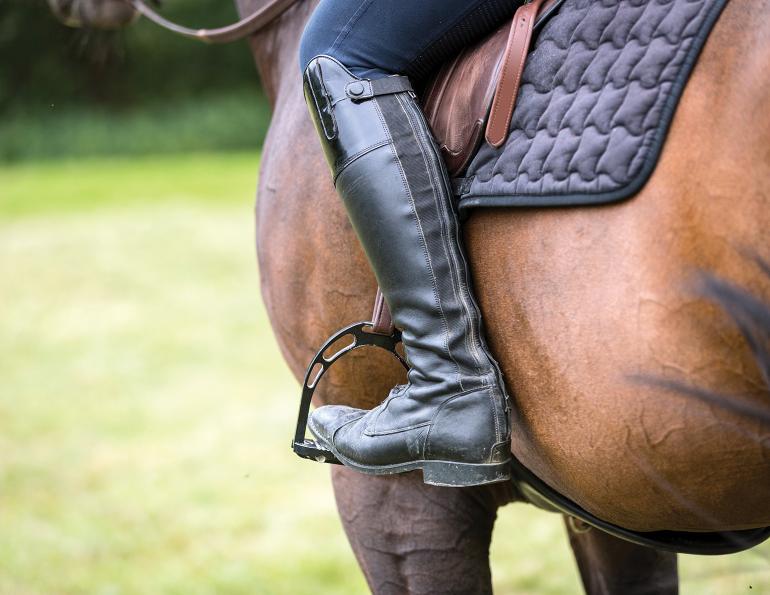
Most riders who “earn” their spurs can recount at least a few stories about their potential harm or have known horses with ribcage scars and damage from overuse. Whether spurs are inherently good or bad, however, depends on numerous factors including an understanding of their respective role in different disciplines.

winter horse, riding in winter, training in winter, conditioning horse, keep horse fit winter, horse stretches, carrot stretch

Time off is an inevitable part of a horse's life, whether due to bad weather, personal schedules, or other factors. However, how horse owners manage these breaks can significantly affect their horse’s health, soundness, and performance over time. Research by veterinary colleges and experts on movement science reveals that large fluctuations in fitness can harm a horse’s well-being, especially for those beyond the middle of their teens. Extended periods of low activity—especially those spanning a month or more-can weaken supportive tissues and muscles crucial to posture. When training resumes, horses may use improper substitutive muscles and positions, leading to poor performance, injury, or a lack of training progress. To help you optimize downtime and keep your horse on track, here are three essential guidelines to coordinate breaks effectively and even use them to enhance your horse's training.

Lindsay Grice, how to enjoy fall winter with Your Horse, meeting your equine goals, explore alternate activities with your horse, horse training, bonding with your horse, winter horse riding, autumn horse riding

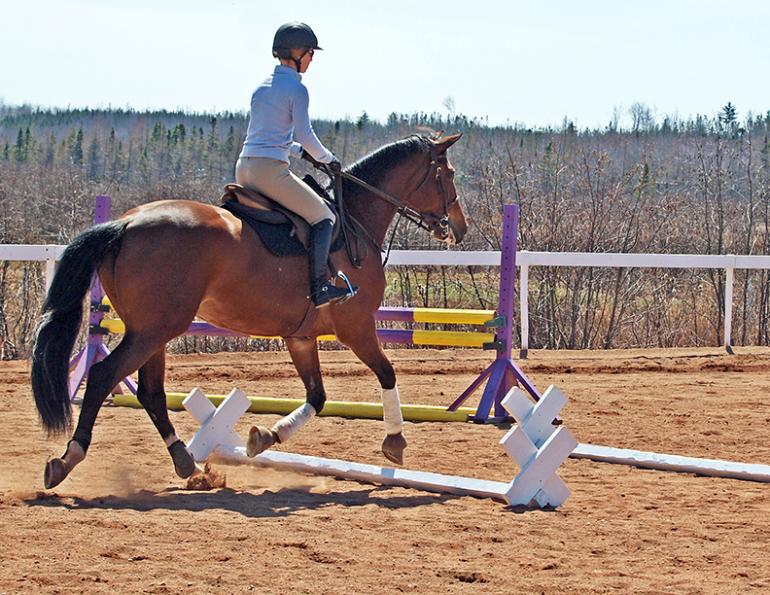
Fall fairs, circuit championships, and club awards banquets signal the end of another horse show season. So how did it go? Did your shows, rodeos, or competitive trail rides meet your expectations? For the majority of horse owners, the answer to this question will likely be no. Stuff happens. And so we look toward the next year. But with chilly fall and winter weather looming, we all need some goals to motivate us to get off the couch and out to the arena on those cold nights!

teaching a horse self-carriage, horse bulging on circle, horse not responding to rein aids, horse riding a circle, proper alignment horse circles, lindsay grice horse training

Keeping Circles on Track - The equestrian’s quest for the perfect circle crosses all disciplines. For Western and English riders, geometry matters. Horse show judges expect to see circles of uniform size and curves ridden with the horse’s body shaped to follow the arc. In dressage and reining, riders must show a clear distinction between large and small circles. In working equitation, circles around barrels and figure-eights must be symmetrical. In equitation and horsemanship patterns, judges frown on oval-shaped “circles.” In all classes, judges will deduct marks for circles of inaccurate size and over-arced or counter-flexed body alignment.

canter lead, correct canter lead, horse picks up wrong lead, lindsay grice horse trainer, my horse doesn't canter right, exercises to improve canter

Every Time, Everywhere - Wrong lead! It’s one of the earliest alerts a young rider hears from her coach. One’s heart sinks to hear that same alert from the coach calling over the show ring rail. The novice rider learns the outside leg back and kiss cue to canter but I’ve found that riders are often unsure why they should use this cue. Let’s break it down. We’ll review the phonics of teaching your horse to pick up the correct lead and some hints to help the rider recognize it.

schooling horses, lindsay grice, how to practice for horse show, beginners exercises horse, side pass horse, trail obstacles horses, horsemanship, riding coach

Do you sometimes yourself leaving the mounting block, fixing your stirrups, and unsure of what to focus on in your next training session? When your coach asks about your progress since your last lesson, do you often admit that you’ve mostly just been riding without a clear goal in mind?

rhythm horse, cadence horse, reining horse balance, loping the oval reining exercise, lyle jackson horse reiner

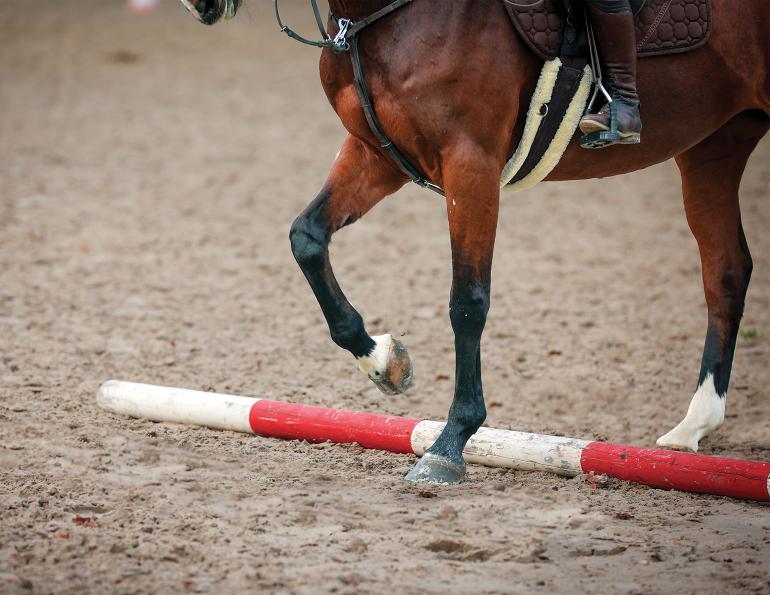
In reining, rhythm, or “cadence,” is necessary when it comes to executing all aspects of a well ridden pattern. The horse should be balanced and responsive while willingly accepting the riders aids which should appear seamless. Establishing a consistent rhythm which can be adjusted accordingly is one of the fundamental building blocks that will assist the rider in achieving the ultimate goal in reining, which is a horse who appears to be executing a flawless pattern without the interference of the rider.

Tina Irwin Working Student Program, Maddy Scott Equestrian Crosby Gold, how to be professional equestrian, successful canadian horse riders

Many youth dream of becoming horse industry professionals — training horses, coaching riders, managing a stable or riding professionally at top level. Significant barriers stymie those attempting to pursue success, regardless of their talent and enthusiasm. There’s no streamlined path to follow that develops the needed horsemanship, business knowledge, training, and coaching skills required of professional riders, barn managers, and coaches.

jec ballou equine trainer, using the long cavesson on horse, equine groundwork, lateral poll flexion horse

Due to its effectiveness in helping the horse carry his body with good form, the longe cavesson is arguably one of the most useful pieces of equipment to own. Yet, only a surprisingly small number of riders who know about it. While early depictions from the 16th century refer mostly to its value in lateral poll flexion, its benefits for groundwork extend to a horse’s entire body. For anyone who performs groundwork it is an indispensable tool, as I will explain. Common misalignments of horses during groundwork include a twisted poll that comes from a handler using a line attached under the chin, or one-sided pressure on the bit when using a bridle. The alignment and state of positive — or negative — tension in the poll directly affects the rest of the body.

Pages