Reining

Lindsay Grice, how to enjoy fall winter with Your Horse, meeting your equine goals, explore alternate activities with your horse, horse training, bonding with your horse, winter horse riding, autumn horse riding

Fall fairs, circuit championships, and club awards banquets signal the end of another horse show season. So how did it go? Did your shows, rodeos, or competitive trail rides meet your expectations? For the majority of horse owners, the answer to this question will likely be no. Stuff happens. And so we look toward the next year. But with chilly fall and winter weather looming, we all need some goals to motivate us to get off the couch and out to the arena on those cold nights!

teaching a horse self-carriage, horse bulging on circle, horse not responding to rein aids, horse riding a circle, proper alignment horse circles, lindsay grice horse training

Keeping Circles on Track - The equestrian’s quest for the perfect circle crosses all disciplines. For Western and English riders, geometry matters. Horse show judges expect to see circles of uniform size and curves ridden with the horse’s body shaped to follow the arc. In dressage and reining, riders must show a clear distinction between large and small circles. In working equitation, circles around barrels and figure-eights must be symmetrical. In equitation and horsemanship patterns, judges frown on oval-shaped “circles.” In all classes, judges will deduct marks for circles of inaccurate size and over-arced or counter-flexed body alignment.

Calgary Stampede Reining Showcase, NRHA Reining Competition Calgary, Reining competition Stampede 2025, Canadian reining professionals, Calgary Stampede horse events, Reining at Calgary Stampede, NRHA-sanctioned reining show, Reining competition Canada, Alberta reining horse show, The Xibition Reining Show, Calgary Stampede 2025, Calgary equestrian events, Alberta reining community

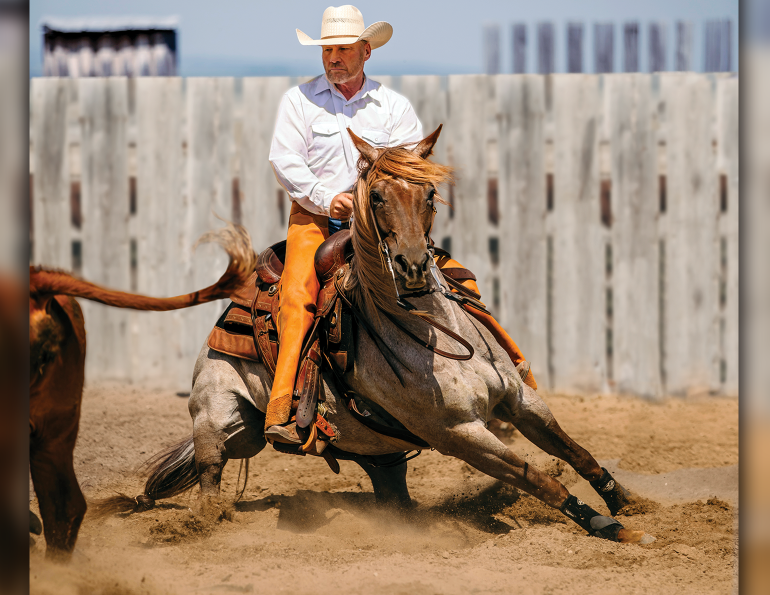
Reining slides to a huge reception at the Stampede! The Calgary Stampede was delighted to host its inaugural NRHA-sanctioned Reining Competition on Tuesday, July 8, 2025.

canter lead, correct canter lead, horse picks up wrong lead, lindsay grice horse trainer, my horse doesn't canter right, exercises to improve canter

Every Time, Everywhere - Wrong lead! It’s one of the earliest alerts a young rider hears from her coach. One’s heart sinks to hear that same alert from the coach calling over the show ring rail. The novice rider learns the outside leg back and kiss cue to canter but I’ve found that riders are often unsure why they should use this cue. Let’s break it down. We’ll review the phonics of teaching your horse to pick up the correct lead and some hints to help the rider recognize it.

schooling horses, lindsay grice, how to practice for horse show, beginners exercises horse, side pass horse, trail obstacles horses, horsemanship, riding coach

Do you sometimes yourself leaving the mounting block, fixing your stirrups, and unsure of what to focus on in your next training session? When your coach asks about your progress since your last lesson, do you often admit that you’ve mostly just been riding without a clear goal in mind?

Kendal lehari three-day eventing rider, how to succeed as a horse rider, Canadian equestrian athletes, successful Canadian horse riders, tracy vollman Canada's world equestrian games endurance team, jim greendyk performance horses

Canada is a massive country, with large distances between equine competitions and a relatively small number of upper-level equestrians. Hence, Canadian riders who want to be competitive at upper levels struggle to find enough higher-level competitions to advance their riding careers. Canada also has winter weather that precludes many riders from training outside for half the year. This can limit advancement and horse fitness. For example, three-day event riders can’t school cross-country jumps or get their gallop training in when fields are drifted with snow, nor can endurance riders do long rides on varied terrain.

canadian horse professionals, how to ride horses for a living, how to be a professional horse reiner, how to professional show jumper, how to professional dressage rider

The gap between amateur and professional competitors is common in Canadian sports. Weekend skiers have significantly less skills than athletes on Canada’s ski team. Amateur hockey players don’t make Canada’s Olympic team. It’s the same in horse sports. Tiers of riders have developed as equestrian sports have become more technical. Upper-level horse sports are primarily the purview of professional and elite riders while amateurs play at lower levels.

rhythm horse, cadence horse, reining horse balance, loping the oval reining exercise, lyle jackson horse reiner

In reining, rhythm, or “cadence,” is necessary when it comes to executing all aspects of a well ridden pattern. The horse should be balanced and responsive while willingly accepting the riders aids which should appear seamless. Establishing a consistent rhythm which can be adjusted accordingly is one of the fundamental building blocks that will assist the rider in achieving the ultimate goal in reining, which is a horse who appears to be executing a flawless pattern without the interference of the rider.

Tina Irwin Working Student Program, Maddy Scott Equestrian Crosby Gold, how to be professional equestrian, successful canadian horse riders

Many youth dream of becoming horse industry professionals — training horses, coaching riders, managing a stable or riding professionally at top level. Significant barriers stymie those attempting to pursue success, regardless of their talent and enthusiasm. There’s no streamlined path to follow that develops the needed horsemanship, business knowledge, training, and coaching skills required of professional riders, barn managers, and coaches.

Equestrian Canada's Coach Licensing Program, how does ec's coach licensing work, requirements horse coaches canada, how to become a horse riding coach

The Equestrian Canada (EC) Coach Status program is part of a collective commitment to safety for human and equine athletes and excellence in instruction and coaching. Standards for earning and maintaining coaching designations help protect athletes, coaches, and our industry.

Pages