Spring

climate change horse industry, prepare horse farm for climate change, heat dome horses, rescuing horses disaster, hay shortages, colic horses

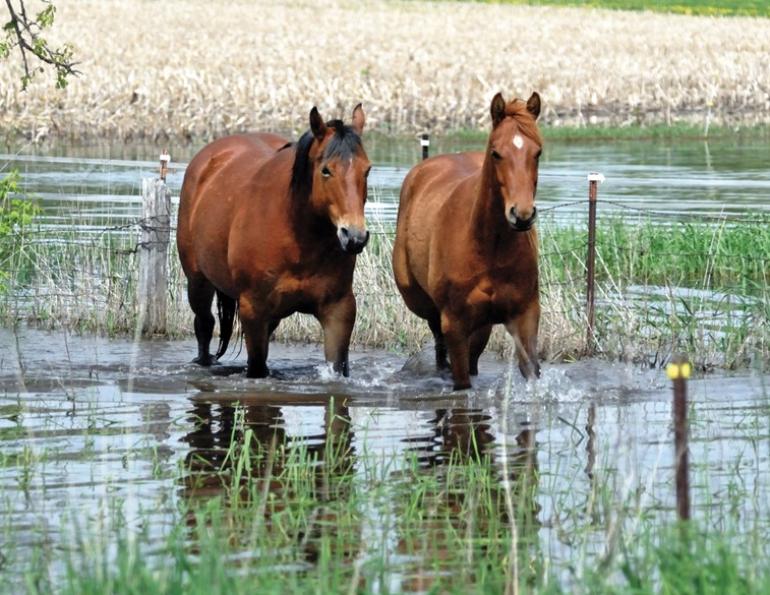
Climate change is increasingly affecting horses, horse properties, and their owners across Canada. In recent surveys, nearly 90 percent of Canadians reported noticing the impacts of climate change in their communities. Horses are facing rising health risks, including respiratory diseases from wildfire smoke and dust, skin conditions and hoof damage caused by unpredictable weather, and new parasites and diseases. Horse owners are also dealing with higher hay costs, unexpected veterinary expenses, and challenges related to weather disruptions, such as riding limitations. Meanwhile, owners of horse properties are working to repair damage from severe storms, flooding, droughts, and high winds.

The Equine Heart, what should my horse's heart rate be, what is a normal rhythm horse heart, equine electrocardiogram, heart rate variability horse

Skipped Beats, Sudden Death… and Why We Shouldn’t Worry Too Much. When you first start examining patients as a veterinary student, you’re very keen to (gently) poke and prod every animal you come across. Realizing you can assess cardiovascular function by palpating peripheral pulses is very empowering!

removing ticks from horses, equine guelph, how to get rid of a tick on my horse

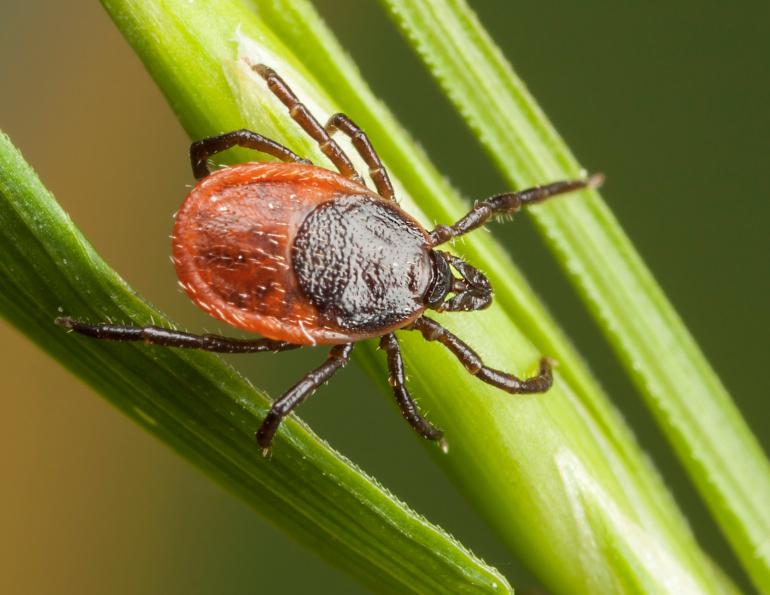
Ticks are a nuisance that can often go undetected. Because of the risk of disease transmission (Lyme disease, Anaplasmosis, Equine piroplasmosis), it is important to frequently examine your horse for the presence of ticks, and to take steps to lower risk of exposure.

Biosecurity horse farm, how to protect horse from virus, pathogens horse farm, designing a horse barn for health, safely transporting horses

Protecting Horses and Humans - The COVID-19 pandemic showed how alarmingly quickly a virus can spread across countries and continents and created an understandable reaction to protect against infection from any and all viruses and pathogens. By extension, it is also essential that there is a level of biosecurity on your farm or acreage to protect horses against agents of disease.

best way to soak hay, horse feed management practices, how to find higher quality horse forage, advantages of steaming horse hay,

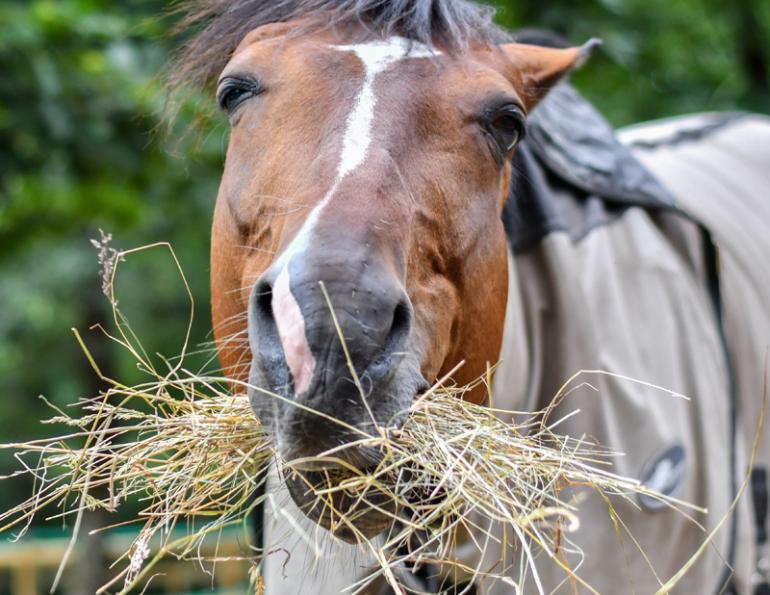
Horse owners have been wetting or soaking hay as a feed management practice for many years. Soaking hay for horses can be invaluable when feeding a hay that is a little dusty as a result of soil contamination or where it was stored in the barn. Horses that have allergies and are sensitive to the natural dust and particles in hay can benefit significantly from wetting or soaking hay.

laminitis, ppid, equine cushing's disease, treating equine cushing's disease, diagnosing equine cushing's disease, equine laminitis, jaini clougher veterinarian

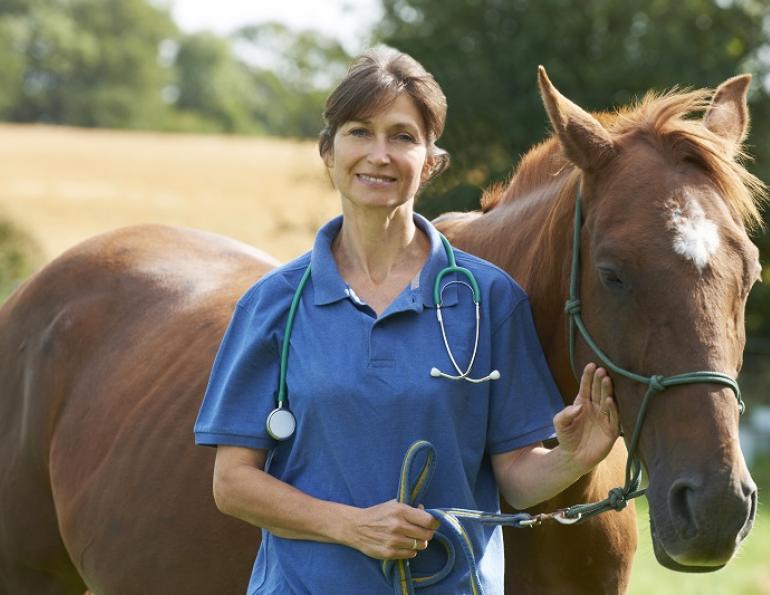
Equine Cushing’s Disease, more correctly called Pars Pituitary Intermedia Dysfunction (PPID), is a non-cancerous but progressive enlargement of the pituitary gland in the horse. It is estimated that 20 percent of horses over the age of 15 will develop PPID. Note that Cushing’s Syndrome in humans and dogs (when not due to giving too much steroidal medication) involves an actual tumour of either the pituitary or the adrenal glands, (either benign or malignant), whereas Cushing’s Disease in horses has a different cause.

how to increase equine pelvis stability, how to improve pelvis range, how to strengthen pelvic floor, what is Equine osteopathy

Today we venture back in horses and down in humans, into territory that many believe to be the foundation of the skeletal system and the body itself: the pelvis. It is an area of much more complexity than many realize, an area that impacts, quite literally, every other part of the body. It contains and protects some rather important things, namely the urogenital system, and provides stability to many others. And in horses and riders, pelvic happiness is critical for success in the saddle.

symptoms of equine asthma, does my horse have asthma, round bales asthmna, equine asthma mold, horse coughing, nasal discharge horse, snotty nose horse, treatments for equine asthma, bacteria for equine asthma, bronchodilator therapy horses

Horses can develop equine asthma when they’re exposed to airborne organic dust that can found anywhere — in a dirt paddock, on a gravel road, or in an indoor arena. But the most common culprit is dusty, moldy hay. Round bales can be particularly problematic as horses tend to tunnel their muzzles into the bales and inhale dust and mold.

therapeutic tools horse riders, Tania Millen, Hawley Bennett-Awad, Revitavet, Ceramic horse blankets, Wendy MacCoubrey, horse therapy

Therapeutic tools have been used to prevent and treat horse injuries for many years, but cutting edge therapies continue to be sought out by riders to improve their horse’s health and performance. Twenty years ago, the technology of the day for icing the legs of Olympic and World Championship level event horses was giant rubber boots filled with ice water attached to noisy pumps that burbled bubbles up through the boots

malnourished horse, rescue horses, helping underweight horse, starving horse, how to tell if horse is healthy weight, welfare horses

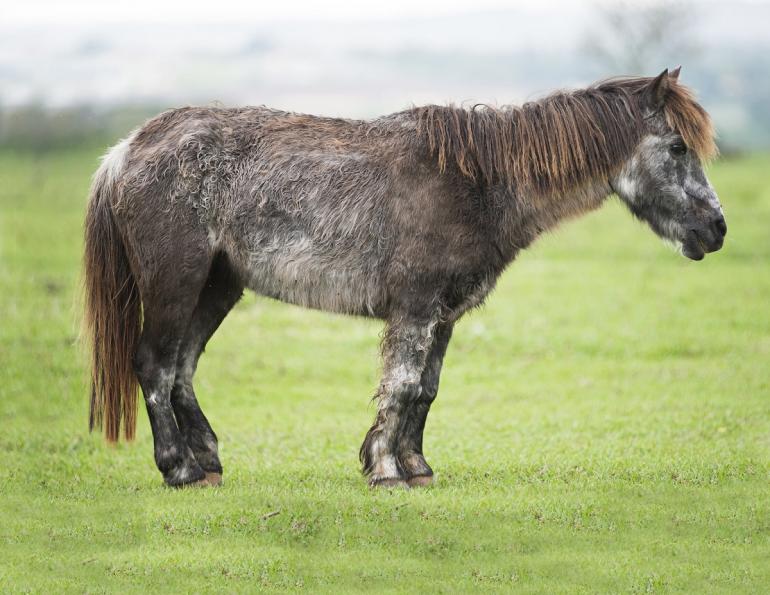
Horse owners are familiar with the tragic pictures shared on social media of the emaciated horse rescued by the authorities, or the one that could not be saved due to its poor condition. Malnourished horses are a reality even in our affluent Western world. Sometimes these horses are the result of well-intentioned people trying to “save” unwanted horses, only to find they are unable to do so because of cost or scarcity of feed.

Pages