History & Heritage

Soul of Canada, draft horses, history draft horse, four-wheeled pull-grader, Mechanical Workhorses, Horse breeding programs, history Clydesdale horse, horse logging history, Canadian horse history, Belgian horse, history percheron horse

Contributed by Soul of Canada - Today the gentle giant draft horses are seldom seen, almost lost in a world of high-speed, noisy machines that require industrial fuel to perform. Yet we are occasionally reminded of their impressive strength, substance, and style when we see a team perform in a parade, a show ring, a movie, or a heritage park.

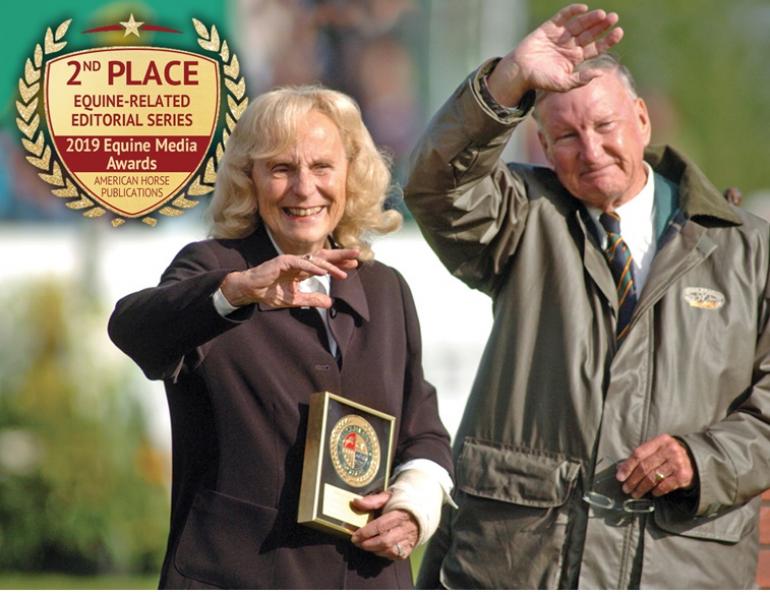
who are some of canada's horse industry builders? John Scott, Cara Whitham, Jack Pemberton, Alfred Fletcher, Guy Weadick, Dr. Sherman Olson, Dr. Gillian Lawrence, David Esworthy, Gayle Ecker, Bill Collins, Peter Cameron, Faith Berghuis, Ian Miller, ron southern, Marg Southern

This article highlights the remarkable individuals who have played a pivotal role in shaping and advancing Canada’s equine industry. These trailblazers have not only elevated the country’s position in the global equestrian community but have also inspired and motivated future generations of riders and horse enthusiasts. The success of Canada’s horse industry is driven by a diverse group of passionate individuals who demonstrate exceptional skill, talent, and commitment. In this feature, we celebrate a select few of these influential figures who have helped propel Canada to the forefront of the international equestrian scene.

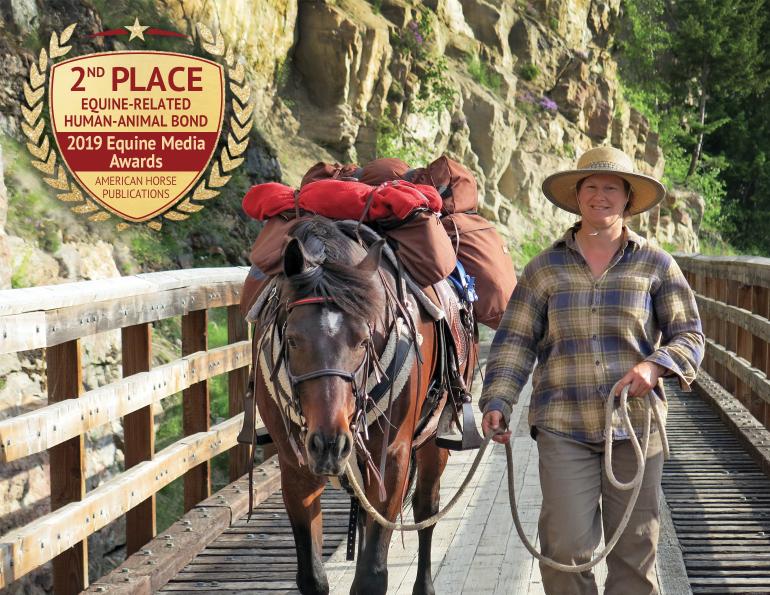
horseback riding Trans Canada Trail, backcountry horse riding, canadian horseback, riding in canada, horse riding in canada, tania millen, pack em up ride em out, horse packing canada

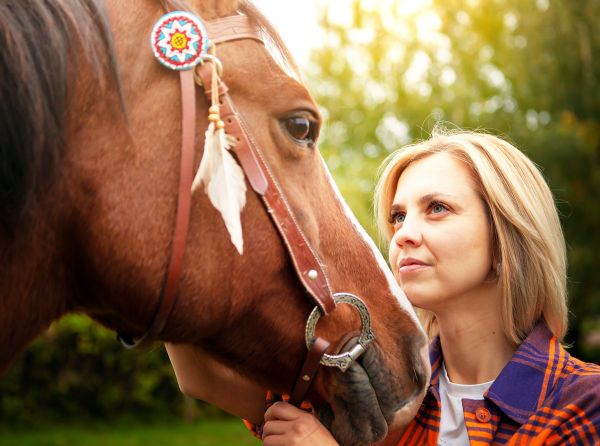
Click. Nothing. I pressed the button on top of my headlamp again. Click. Still nothing. Oh crap. My headlamp batteries had just died, and on the worst morning possible. Today was the day I would be riding Chocolate through 912-metre long Bulldog Tunnel as part of our 550 kilometre solo journey along the Trans Canada Trail (TCT).

sable island horses, margaret evans, endangered equine species, endangered horses, wild horses

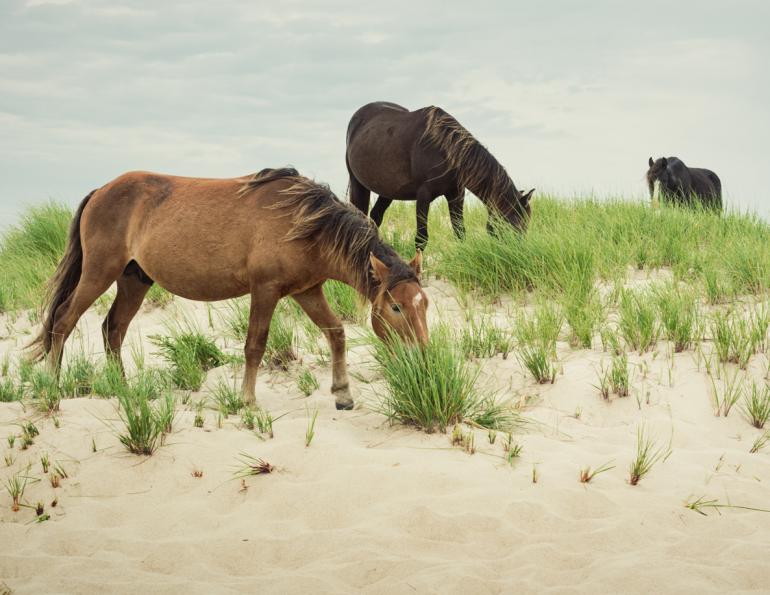
Nowhere in Canada will you find a more unique, self-contained ecosystem than the one found on Sable Island. Nestled in the 42 km arc of sand, 300 kilometers southeast of Halifax, Nova Scotia, is an array of beaches, dunes, marram grass, wildflowers, shrub-heath, and ponds – which 300 bird species five species of seals, and 500 Sable Island horses call home. These horses came to the island during the dark days of deportation of the Acadian people 250 years ago.

history of cowboys, cowboy qualities, modern-day cowboys, 21st Century Cowboy, cowboy history, cowboy traditions, cowboy clothing

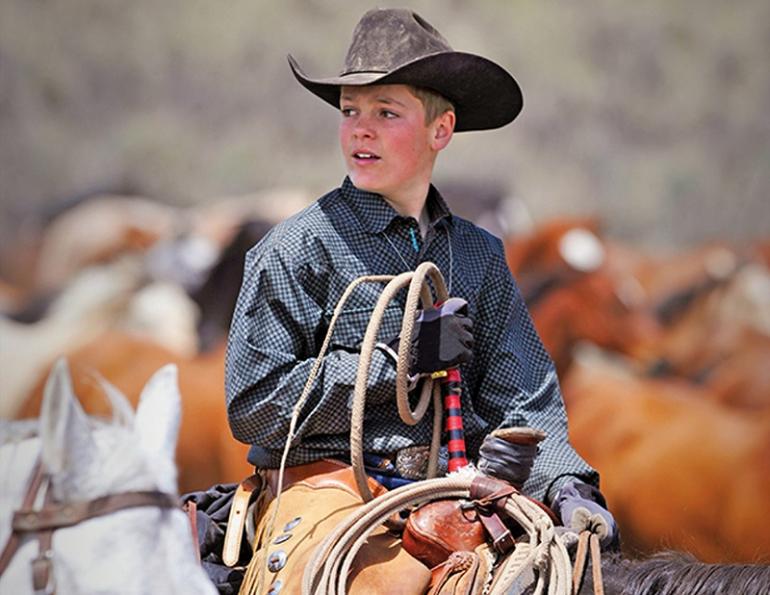
If you watch a cowboy at work today, forget that it’s the 21st century, and skip back in time to catch a glimpse of a working cowboy in the 1870s, they would look surprisingly similar. They would be doing basically the same cattle management tasks, be dressed in similar clothing, have similar core skills, and be thriving with the same horsemanship abilities that have made cowboying one of the most enduring careers for centuries.

Do horses have just one toe or several? do horses have five toes? understanding equine foot

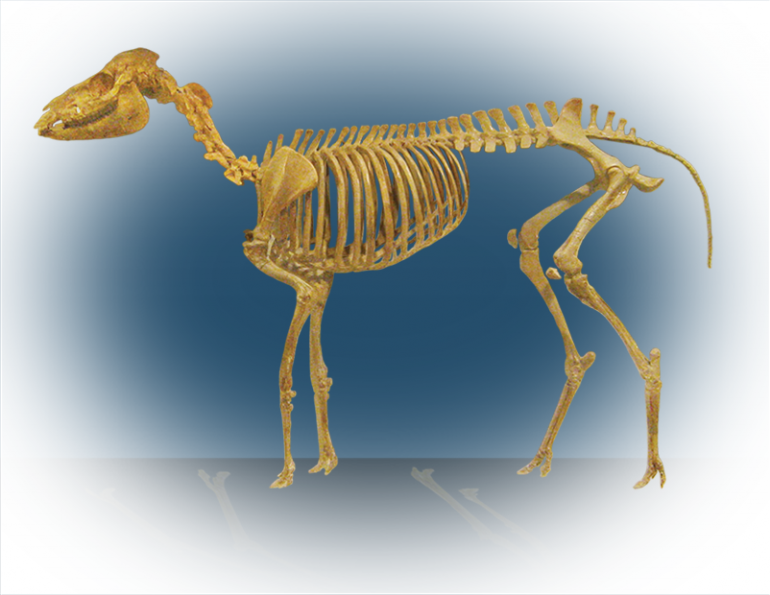
Researchers at the New York Institute of Technology, College of Osteopathic Medicine (NYITCOM) are suggesting that, in fact, the four side toes did not completely disappear but remain even today as remnants still present within the horse’s modern lower leg and hoof. Scientists widely accept that the essentially redundant splint bones – the small bones found along the outer sides of the metacarpal or cannon bone - are remnants of the second and fourth toes.

Przewalski Horse, are Przewalski Horses wild?, evolution of Przewalski Horse, Przewalski Horse Chernobyl

Recently, genetic research published in the journal Science showed that the Przewalski’s horse, also known as the Mongolian wild horse and the Takhi, was actually not wild as defined by its heritage but descendants of the horses first domesticated by Botai people of Kazakhstan over 5,500 years ago.

Clydesdale horse, Stan Carruthers, Gordon Carruthers Sr, Clydesdales, Eastern Regional Clydesdale Association, Clydesdale breeding program

Born in 1940, Stan Carruthers of Carp, Ontario, was predestined to work with Clydesdales. “My grandfather was a stallioneer in Carp, and he used to have Percherons,” explains Stan. “In 1922, he sold his Percheron and bought a Clydesdale stallion. That’s how the love affair began.”

horse fossils, extinct horses, archealogical finds equine, history of horses

A sensational discovery was made recently of a completely intact prehistoric foal that lived in Siberia between 30,000 and 40,000 years ago during the Upper Paleolithic. The foal, a colt, is believed to have been about two months old when it died. It has been so exquisitely preserved in the permafrost that its skin, dark brown hair, hooves including the frog, mane, tail, internal organs, muscles, and even the tiny hairs in its nostrils and the hairs around the coronet band are all completely intact. It is just 98 cm (38 inches) at the shoulder.

Canada’s Wild Horse Herd, sable island horses, 150 years canada horses, ancient horse in canada, equus lambei, sable island national park reserve, horses in chilcotin's brittany triangle

Wild horses are a fabric of the ancient Canadian landscape going back 56 million years to when they first appeared on the North American continent as dog-sized mammals. They evolved with the changing habitats and climate to become the familiar grassland equine that, some four million years ago, spread to Asia, Europe, and Africa.

Pages