Fundamentals of Equine Photography: Mastering Composition and Focus
Updated:
May 21, 2026Article and photos by Shawn Hamilton, Clix Photography
Great photographs rarely happen by accident. Whether you’re capturing a quiet moment in the barn or a horse galloping across a field, strong images are the result of thoughtful composition and sharp focus.
Understanding where to place your subject within the frame — and how to keep it sharp — can dramatically improve your photography. A few foundational guidelines, such as the rule of thirds, leading lines, symmetry, and effective framing, help direct the viewer’s eye and create visual interest. Pair those compositional tools with the right focus mode, and you’ll be better equipped to capture both still portraits and fast-moving action.
You don’t need expensive equipment to apply these principles — most are just as effective with a phone camera as with a professional one. By learning how composition and focus work together, you can create images that are not only technically strong, but also engaging and memorable.
COMPOSITION
The Rule of Thirds
What makes a photograph appealing to the eye? Look at the art on your walls, your own photos, or scroll through Instagram and choose an image that catches your attention. Now imagine a grid placed over it — two vertical lines dividing the image into three columns and two horizontal lines creating nine equal sections.
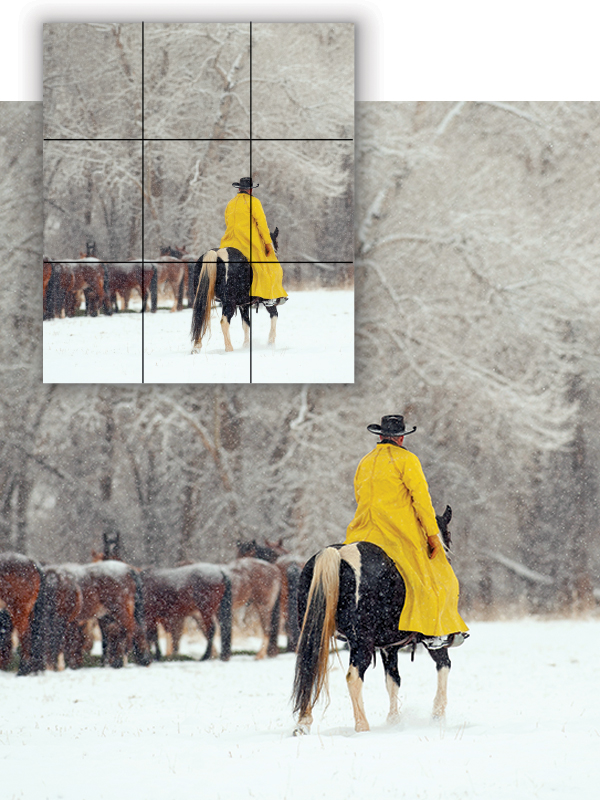
At The Hideout Lodge and Guest Ranch, the subject is placed at the intersection of the rule-of-thirds grid.
This is the rule of thirds, a foundational composition technique that divides an image into a 3x3 grid. It’s based on the idea that the human eye is naturally drawn to the points where these lines intersect. When a subject is placed at one of those intersections, the image tends to feel more balanced and visually appealing.
Related: My Scenic Winter Ride at The Hideout Lodge & Guest Ranch
Did your chosen image follow this rule? The goal is to create a photograph that draws attention to the subject and encourages the viewer to pause before moving on. Positioning the subject at one of the intersecting points helps create that visual interest.
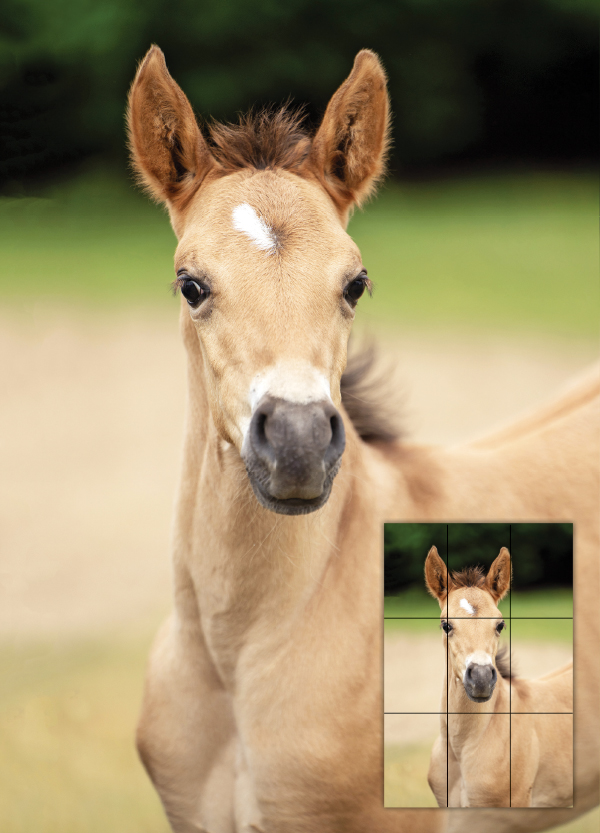
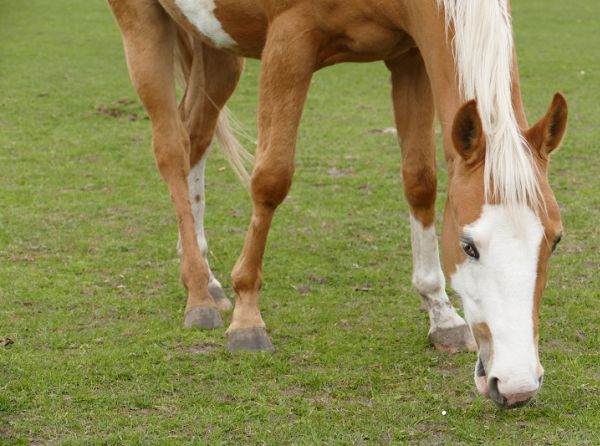
This image of a foal in Prince Edward County, ON shows the compositional rule of thirds — if the image is split into thirds both horizontally and vertically, the subject resides where the lines cross. In this example, the main subject is the foal’s left eye
Most cameras, including phone cameras, offer a rule-of-thirds grid overlay to help you line up your subject before taking the photo. You’ll typically find this feature in your camera settings under “grid” or “grid display.”
Rules are meant to be broken, but one should first understand them. Consider the rule of thirds as a compositional guideline. Other rules to help create compositionally appealing photographs include (but are not limited to) leading lines, symmetry, the rule of odds, framing, and something I call heroes and villains.
Heroes and Villains
Every image has a clear subject. “Heroes” are elements that support that subject, while “villains” are distractions that pull the viewer’s eye away from it. If you spot villains while composing the shot, eliminate them before pressing the shutter or tapping the photo button on your phone. Often, you can remove distractions simply by changing your angle or zooming in.
If you don’t notice them until later, cropping or cloning tools in post-processing can help clean up the image.
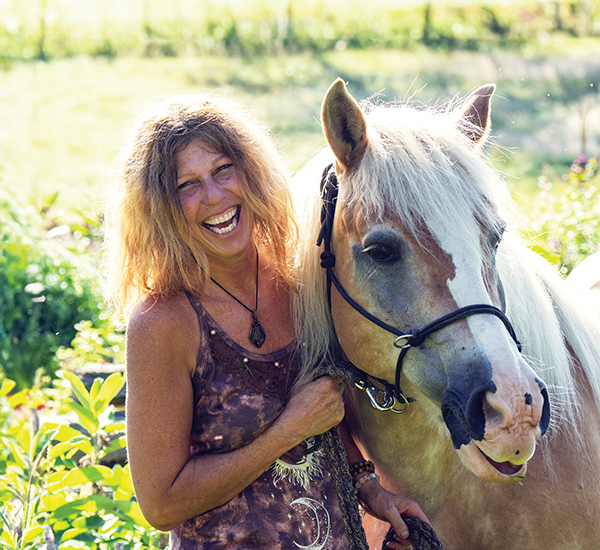
Blurring out the background with aperture and depth of field can help to eliminate any unwanted villains in an image.
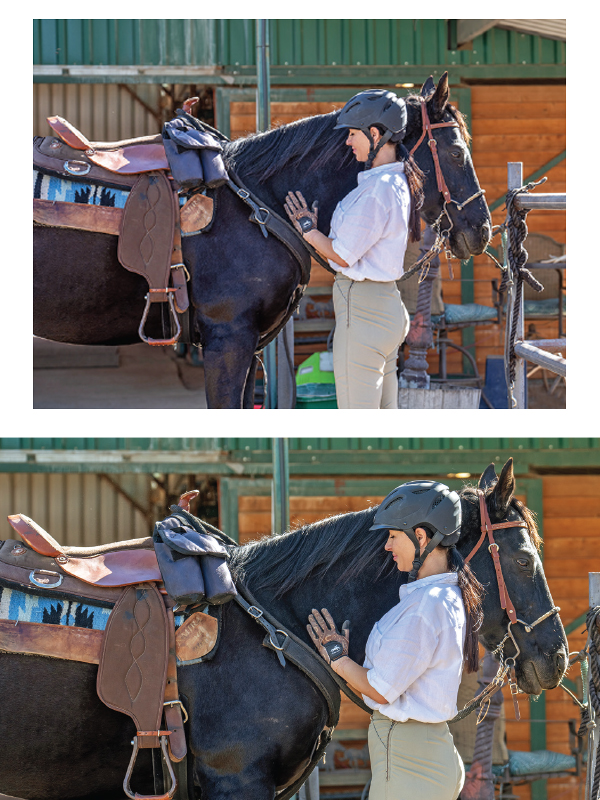
The simple cropping of the bottom of the image eliminates villains, sending the viewer’s attention to the main subject area.
Leading Lines
Lines that guide the viewer’s eye to the subject are called leading lines. They often begin at the edge of the frame, drawing the viewer in and directing attention toward the focal point. Leading lines can also move the eye from one element to another within the image, helping keep the viewer engaged.
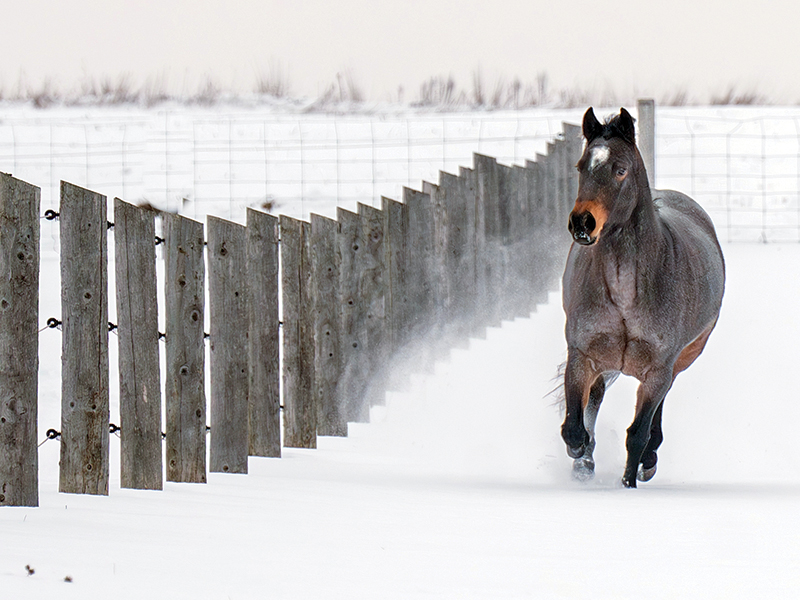
The fence in this wintry photo provides both a leading line and symmetry to the image.
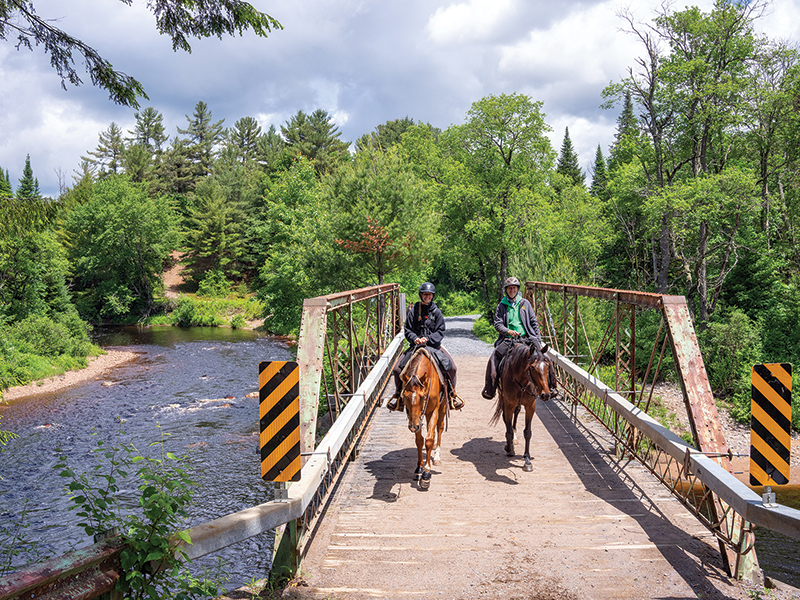
In this image of Doriane on Artie and Anne on Ghost crossing a bridge at Otter Creek Horse Trails, NY, the sides of the bridge lead the viewer directly to the riders.
Curved lines — such as waves on water or the arc of a branch — can be especially effective compositional tools. Be mindful, however, of lines that pull the viewer’s eye out of the frame rather than into it.
Related: Social Media Reels - a How-To for Equestrians | Horse Journals
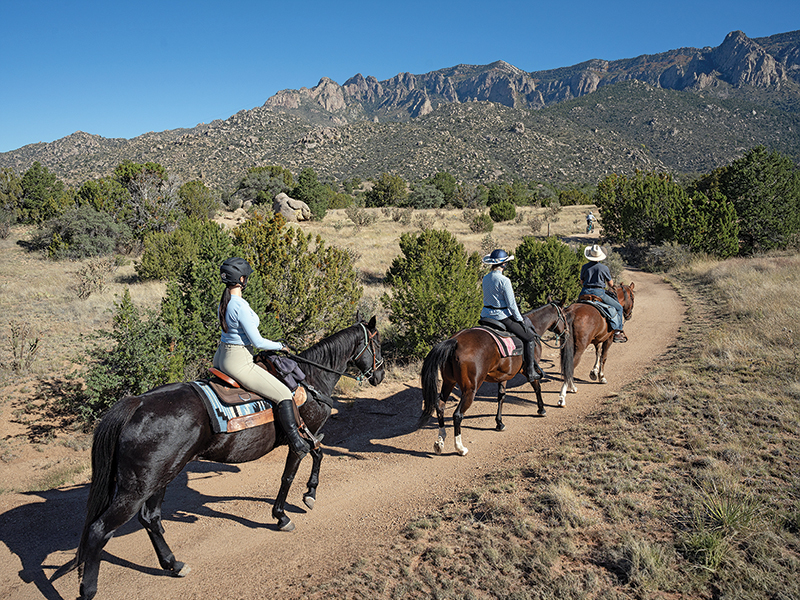
A curved leading line where the trail brings the viewer’s attention to the riders and leads the eye to the mountains in the background.
Symmetry
Visual harmony and balance can be created through symmetry and repetition. An image may feature vertical or horizontal symmetry, such as a fence line or a reflection in water. Radial symmetry — like ripples spreading across water — can also create a strong visual impact.
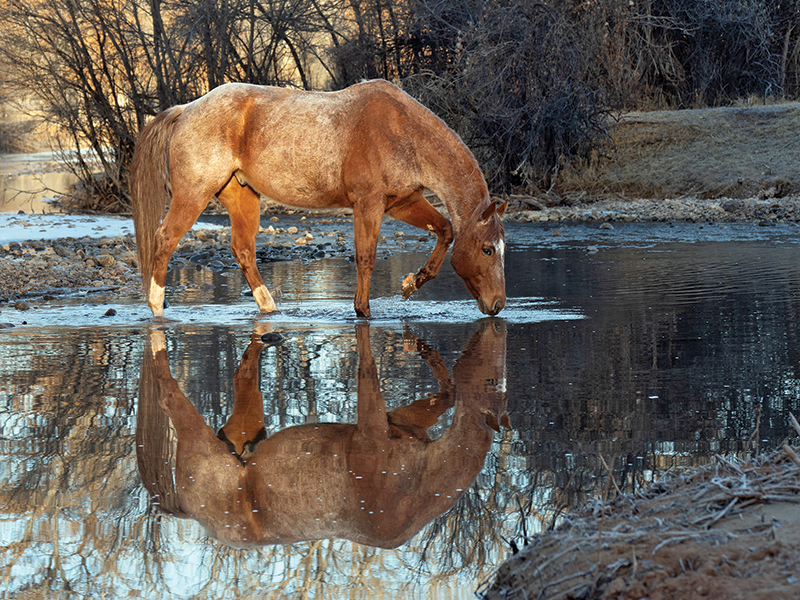
Reflections can create symmetry and balance as shown in the reflection of a horse crossing the creek at the Hideout Lodge and Guest Ranch in Shell, WY.
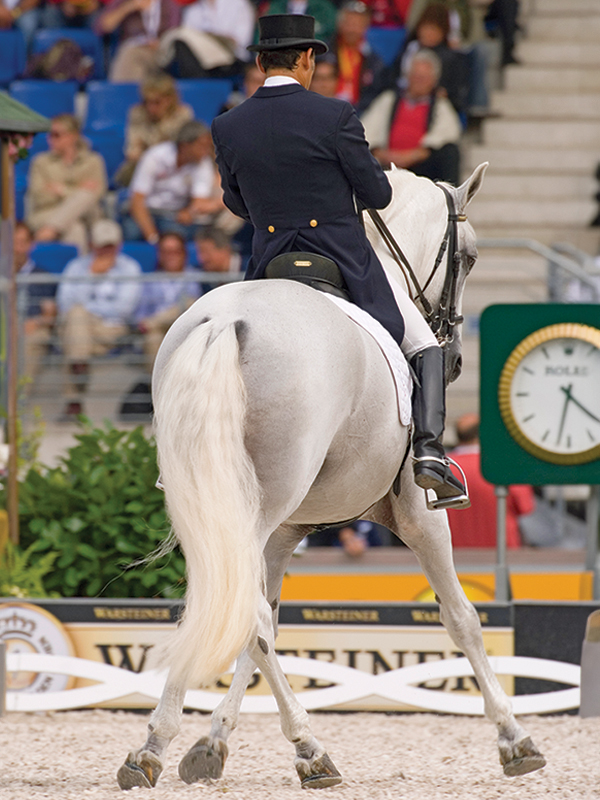
This photo of Rafael Soto on the Andalusian stallion Invasor at the 2006 World Equestrian Games in Aachen was taken at an angle that allows for symmetry in the horse’s legs, adding to the appeal of the image.
Odd Numbers
The human brain naturally creates order by grouping objects into pairs. When you compose an image with an odd number of elements, the brain has to work a little harder to organize what it sees — which can keep the viewer’s attention on the image longer.
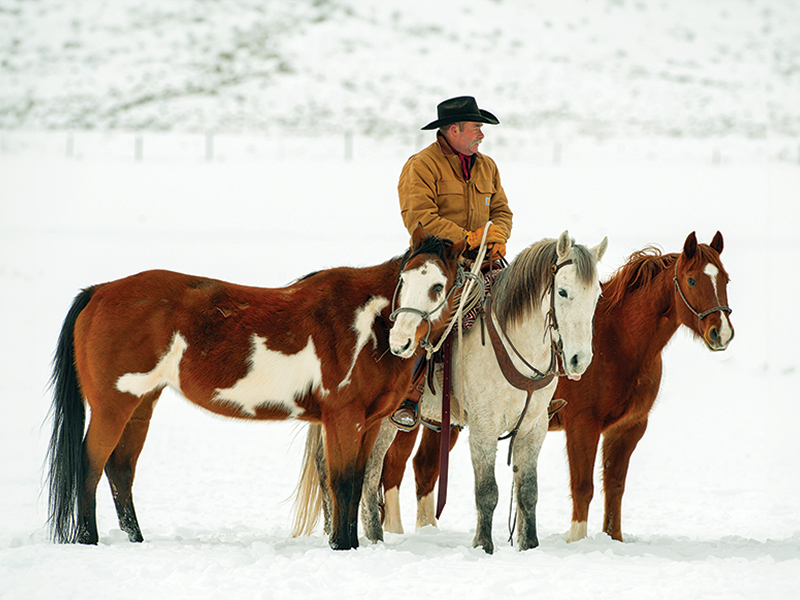
The odd number rule makes this image of a cowboy at The Hideout Lodge and Guest Ranch more appealing to the eye.
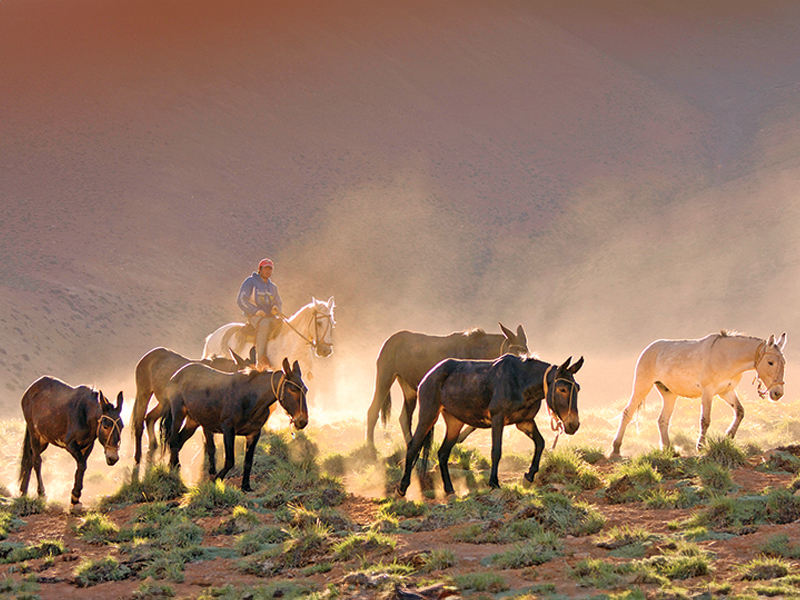
This image of a gaucho returning the herd in the early morning sun on the Crossing of The Andes trip with Pioneros follows the odd number rule with seven horses in total. The image is also balanced with three horses on either side of the gaucho.
Framing
Framing your subject with supporting elements — such as a tree branch, window, or doorway — helps draw attention to the focal point. Consider your depth of field to decide whether you want the framing elements to be sharp or softly out of focus.
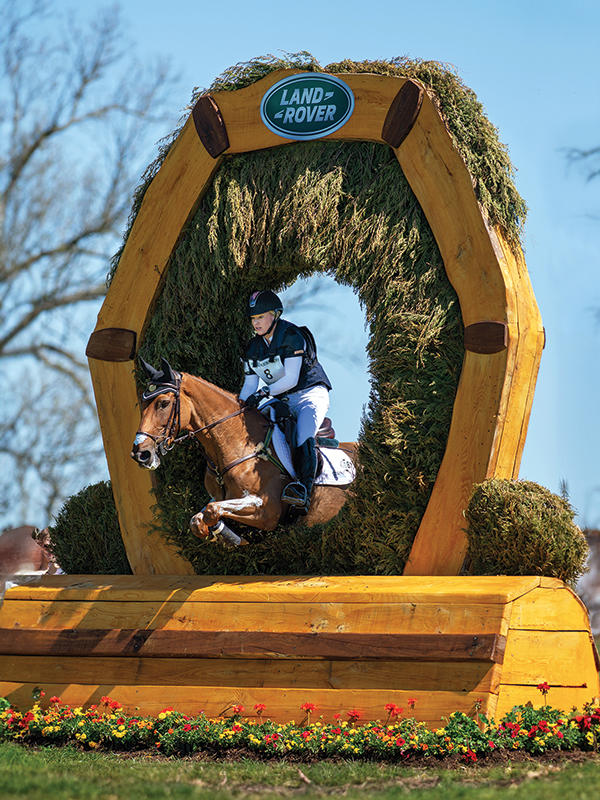
Framing the subject within the above image adds to its appeal.
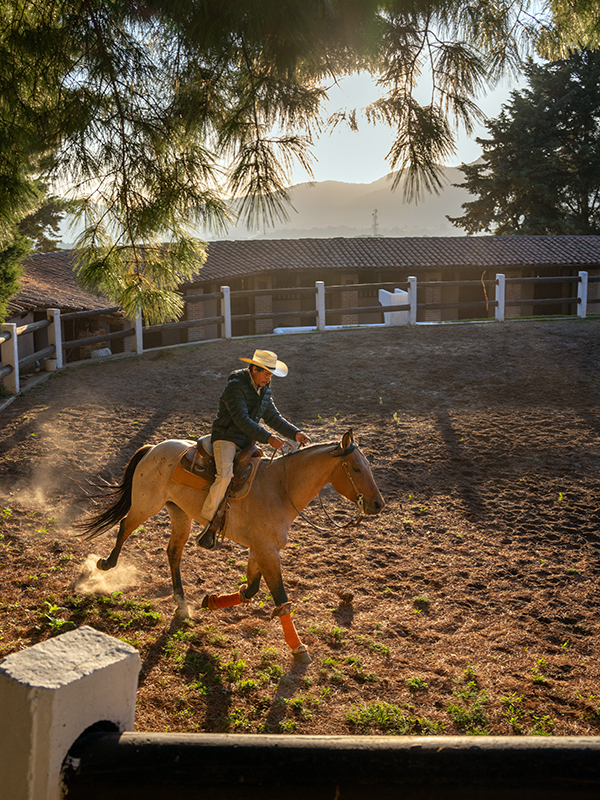
Fences and tree branches can be used to frame the subject.
Related: Essential Horse Clipping Tips for a Flawless Finish
FOCUS MODES
Focus is one of the most important components of an image. Keeping your subject as sharp as possible is key to creating a quality photo — unless you intentionally choose to blur it for effect. The most basic focus modes are Manual (M) and Autofocus (AF).
Manual Focus
Manual focus requires you to turn the focus ring on your lens until your chosen subject is sharp. Some photographers prefer to use manual focus exclusively, and certain types of photography — such as macro or astrophotography — often require it.
However, when photographing a horse running through a field, manual focus can be challenging. Continually adjusting the focus ring to keep a moving subject sharp is difficult, especially when timing is critical. Capturing action is often easier when you let the camera handle focusing for you.
Autofocus (AF)
In autofocus mode, the camera focuses on the subject within the selected focus area when the shutter button is pressed halfway down.
Focus Area
Selecting a focus area tells the camera where to focus within the frame. On most cameras, the default setting places the focus point in the centre, typically displayed as a square or bracket in the viewfinder. However, this focus point can be moved using the focus area selection controls.
Camera manufacturers use different terms for this feature:
- Sony: Focus Area
- Nikon: AF Area
- Canon: AF Method
When using the screen on the back of your camera or phone camera you can usually set the focus area by tapping the subject directly on the screen.
AF FOCUS MODES
AF-S – Single-Shot or Single-Servo Focus Mode
Single-shot mode is designed for subjects that are stationary. This focus setting allows you to select where you want the camera to focus. When you press the shutter button halfway down, the camera locks focus on the chosen area.
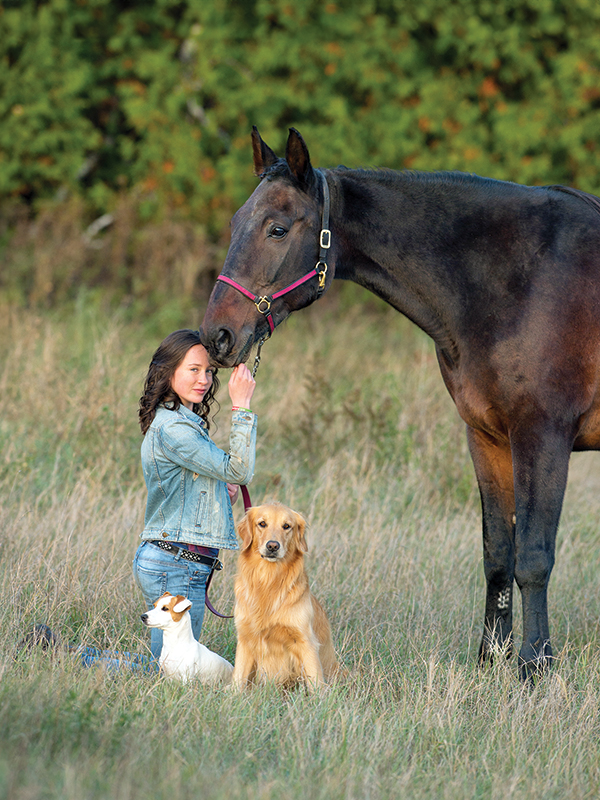
The more subjects in the image, the greater the depth of field needed. Here the dogs are in front of the girl and the horse, so to get them all in focus the aperture was adjusted to increase the depth of field (what is in focus from front to back). Here F8 was used to have all the subjects in focus yet still blur the background.
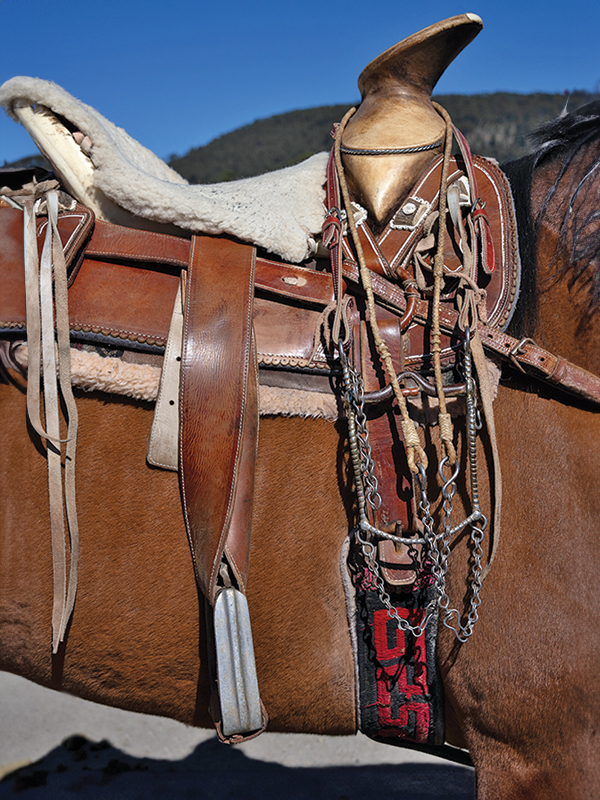
Close up of a saddle and bridle at Rancho Las Margaritas in Mexico. I often use single-shot focus mode for portraits and conformation photos, as it is designed for subjects that are not moving.
Related: Horses and Hospitality at Rancho Las Margaritas | Horse Journals
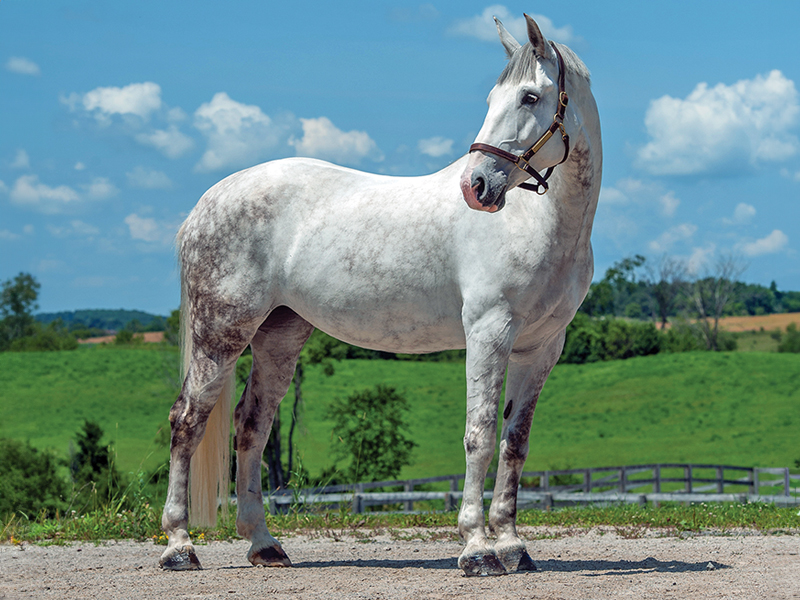
A simple clean background makes the horse stand out — and a handler who can help get the horse’s ears up is appreciated.
AF-C – Continuous-Servo or Continuous-Tracking Mode
AF-C, or Continuous-Tracking mode, is designed to help photographers keep moving subjects sharp. Once the subject is identified within the focus area, the camera continuously adjusts focus to follow it.
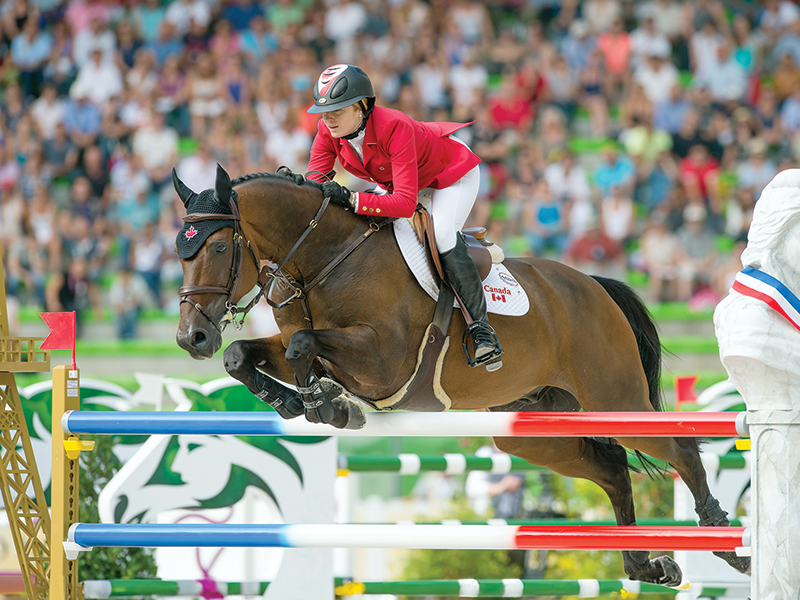
AF-C - Continuous Tracking - was used for this image of Tiffany Foster and Verdi III at World Equestrian Games in Normandy, France. I would have chosen Expand Spot mode or Zone instead of Wide in this instance to focus on the horse’s shoulder. If Wide was used the camera might choose the head of the horse, leaving the rider slightly out of focus due to the angle from the camera. The head of the horse is on a different focal plane than the rest of the horse and rider.
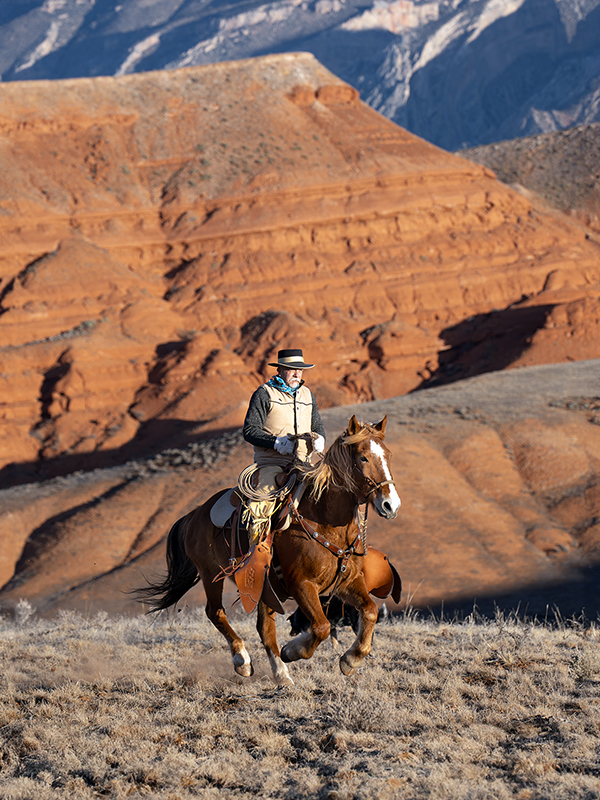
AF-C - Continuous-Tracking - captured this cowboy in action at the Hideout Lodge and Guest Ranch. A Zone focus mode kept the subject in a particular area of the frame for composition purposes.
Many advanced cameras — as well as most smartphones — now offer eye- or face-detection features that automatically prioritize those areas for focus. Be sure to clearly indicate which subject you want the camera to track to ensure it stays locked on the right target.
There are a number of focus areas to choose from in this mode.
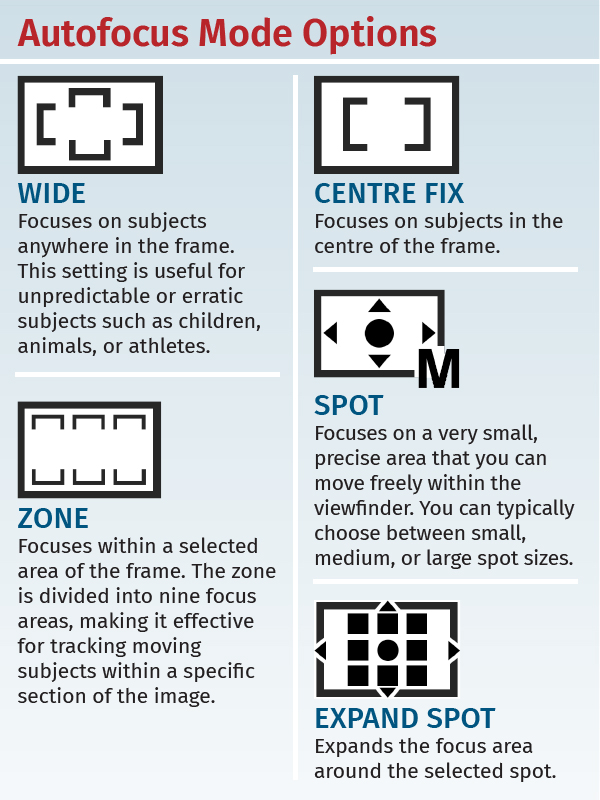
Choose the focus area option within AF-C that best suits your needs, based on what you’re photographing, how much of the frame the subject occupies, and where you want it positioned within the composition.
Note: Do not confuse continuous focusing or tracking with continuous shooting. Continuous shooting is a drive mode that captures multiple frames per second, allowing you to record a sequence of action.
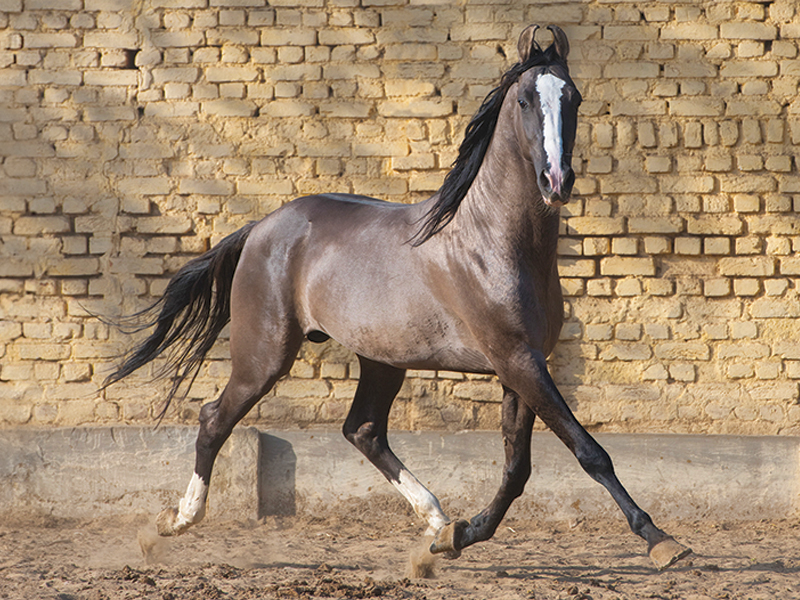
A Wide focus mode in AF-C - Continuous-Tracking - was used to photograph this Marwari stallion, who takes up a large area of the image.
Summary
There are many rules and guidelines that can help photographers create compositionally strong images. Thoughtful subject placement within the frame is key, and for moving subjects, autofocus can help maintain sharpness within the selected focus area.
I hope these tips encourage you to consider both where to position your subject and how to maintain focus on movement as you compose your image.
If you have questions about equine photography, you’re welcome to contact me:
Shawn Hamilton
- Cllix Photography
- clixphoto7@gmail.com
- 905-925-5634
- Facebook - Shawn Hamilton
- Instagram - Shawn Hamilton
Related: Fundamentals of Equine Photography: Horses in Motion
Related: Fundamentals of Equine Photography: Portrait and Conformation
Blogs & Podcasts

Advertisement
Related Articles





Advertisement
Featured Stories


Advertisement