First Aid

jec ballou horse trainer, rehabilitating horses, exercises to help horses, equine lameness rehab, horse postural muscles, grazing horses, equine fitness

When a horse shows subtle signs of lameness or discomfort but no clear veterinary diagnosis, it can be discouraging and costly for owners. These vague issues are unfortunately common and often leave owners uncertain about the next step. This article outlines key principles to guide you through such cases, using the example of Remy — a mare who arrived with back pain and bucking behaviour but no definitive medical findings.

end-of-life horse care, prepare for death of horse, when to euthanize horse, should i put my horse down, how to tell if horse is in pain, ways to euthanize horse

In an ideal world, every senior horse would pass away naturally and peacefully, having enjoyed a good quality of life with minimal suffering. Unfortunately, this is not always the case, which is why we must be prepared.

equine emergency preparedness, horses stuck flooding, preventing barn fire, emergency services horses, help for horses disaster, kevan garecki, bc flooding horses

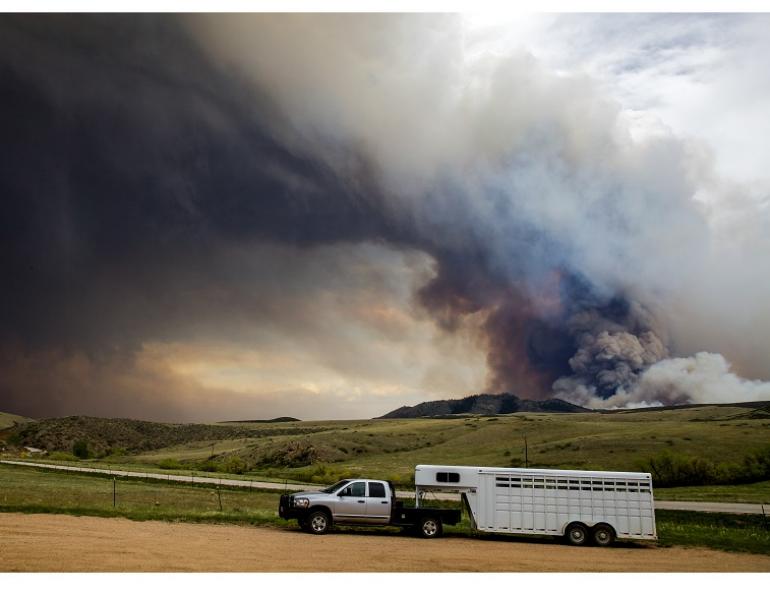
While one can’t plan for every form of disaster, it’s important to familiarize yourself with any potential risks that could occur in your area and plan for them accordingly. Planning ahead can allow horse owners the opportunity to stay composed and act quickly in an emergency situation.

horse overheated, dr. wendy pearson university of gueph, heat stress horses, electrolytes horses, over exercise horses, water needs of horses

Is it hot enough for you? If you feel suppressed by repeated days of hot and humid weather, you can be sure that your horse feels worse.

how to remove ticks, tick removal horses, preventing tick bits horses, best bug sprays horses, areas to avoid ticks canada, what do ticks look like on horse, grooming horse tick

Not much can gross out a horse person. We happily pick out hoofs, observe the quality of manure, scrape bot eggs off our horses’ legs, and get a weird sense of satisfaction from an expressed abscess. But ticks… ticks are just nasty.

horse vital signs, equine vital signs, horse vitals, equine vitals, horse heart rate, horse pulse, equine heart rate, horse gut sounds, equine gut sounds, equine pulse, horse respiration, equine respiration, horse breathing, equine breathing, horse capillary, equine capillary, horse temperature, equine temperature, canadian horse journal, horsemanship, horse first aid, equine first aid

Every horse owner should be familiar with his or her horse’s “normal” vital signs. Knowing your horse’s healthy, resting temperature, heart rate, respiration rate, capillary refill time, and gut sounds will help you realize when he is unwell. Additionally, in the event of illness or injury to your horse, being able to check and report his vital signs can help indicate to your veterinarian the horse’s present condition.

carrot exercises for horses, exercise therapy for horses, equine rehabilitation

Immobilization or stall rest is sometimes necessary for a horse's injury to heal, especially in cases of severe tissue damage (such as tendon or ligament damage and fractures), but other times keeping horses moving is actually a better approach. The key is choosing the right exercise for the type and location of the injury. We cannot just tell horses, for example, to engage their core. We have to design exercises that achieve the desired result.

equine hydrotherapy, equine rehabilitation, swimming pools for horses, underwater treadmills for horses, equine spas

Hydrotherapy, the use of water to treat medical conditions, was first practiced by ancient Egyptians, and pools, saunas, baths, and tanks have historically been used to treat health concerns from arthritis to inulcers. Muscles have to work harder to move in water than on land, while the buoyancy of water reduces weight-bearing on bones, joints, and soft tissues, and the pressure exerted by water reduces swelling and inflammation.

electrotherapy for horses, electrical stimulation horses, tens horses, pemf horses, laser therapy for horses, ultrasound for horses, cold laser therapy for horses

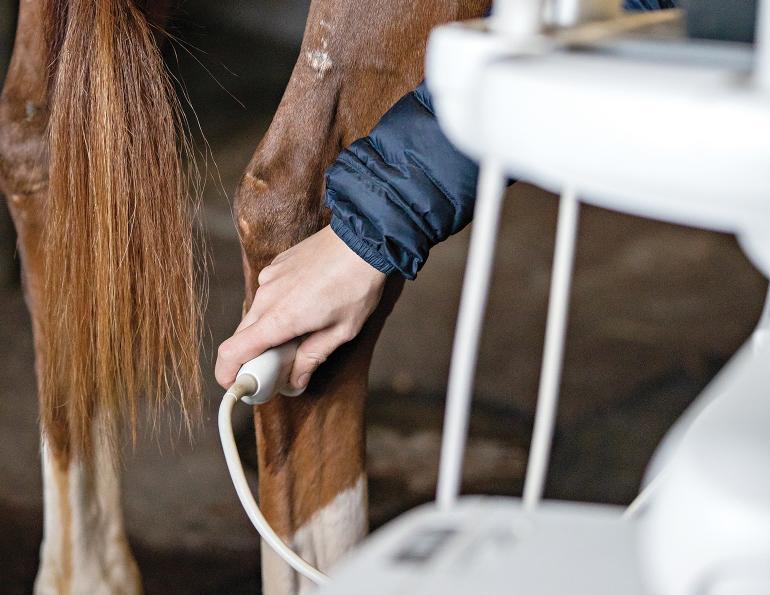
Electrotherapy, directing small currents of electricity through the skin for medical treatment, has been widely used in human sports medicine and rehabilitation to treat injuries and optimize performance. Various modalities have made their way into sport horse medicine and rehabilitation. Electrotherapies are built around energy sources that range from acoustics to vibrations.

sport horse medicine, equine rehabilitation, equine acupuncture, uc davis veterinary hospital

Equine sports medicine and rehabilitation is a comparatively new veterinary specialty. Sarah le Jeune, DVM, DACVS, DECVS, DACVSMR, certified equine acupuncturist, and Jessica Morgan, DVM, PhD, DACVSMR, both specialty clinicians at the UC Davis veterinary hospital, provided some insights into this topic.

Pages