Eventing

noseband tightness horses, equine welfare research, horse stride length study, riding tack pressure, horse biomechanics, equine performance Canada, horse training welfare, ISES noseband guidelines

A recent study confirms that tightening a horse’s noseband may do more than change appearance or control the mouth — it may also affect the horse’s movement.

spring conditioning horse, spring horse exercises, prepping your horse for show, exercising horse, jec ballou, equine groundwork, horse, dressage horse exercises, jumper horse exercises, western horse exercises, hunter horse exercises

Where Should You Start? By Jec A. Ballou. When spring finally arrives, the sunny riding season ahead can greet riders with both excitement and anxiety. Where do I start, you might wonder as you calculate how unfit your horse has become from a winter of being off work. How long will it take to ease him back to fitness? What sorts of exercises and timelines should I use? In this article, I’ll answer these questions plus offer a simple schedule in addition to some rules you never want to break.

Jonathan Field pushy horse, how do i control my horse, how do i stop bad horse behaviour, horse to behave, hold and wait horse, horse yield

You are who your friends are. That adage can apply to horses, too. How we treat them will often be reflected right back at us - for good or bad. Sometimes the difference between a harsh cue and an appropriate one can be subtle. Pressure can be effective, but intensity and timing can make all the difference.

lindsay grice horse coach, horse needs a lot of leg, using the whip with a horse, using spurs horse, how much pressure should I apply horse

Who doesn’t love a horse with a laid-back disposition, the unflappable sort, unfazed by snow skidding off the arena roof? The downside of that laid-back horse is that he’s liable to be laid-back about his rider’s aids, too.

how do i canter my horse, preparing a horse to canter, ways to canter, jec ballou horse training, types of equine gaits, benefits of cantering horse

When it comes to cantering, riders seem to divide in two camps. In one camp are those who favour it above all else, while the other camp includes those who find it scary or unpleasant. I would like to add a third camp: riders who understand the unparalleled physiological benefits of cantering their horses. Beyond the obvious cardiovascular conditioning, cantering can improve muscle tone, symmetry, and flexibility more than other gaits. Let me explain this further, in addition to offering some tips and guidelines.

choosing an eventing horse, off the track thoroughbred rescue, rehoming thoroughbred racehorses, equine science update

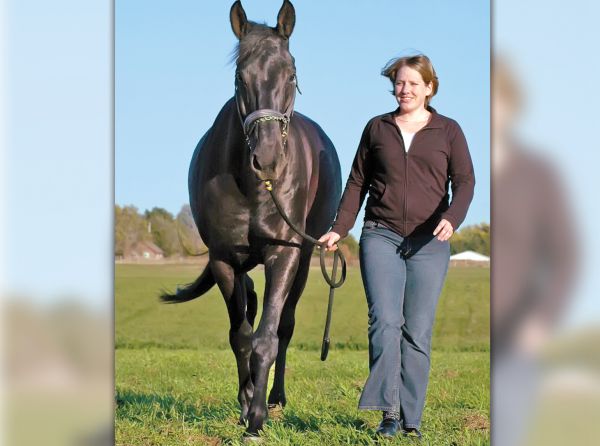
Many Thoroughbreds face the question of What Next? when their racing careers come to an end. A large number transition into new disciplines, with eventing being a popular second career. But does success on the racetrack translate into success on the cross-country course, in the dressage arena, or over show jumps? Understanding what makes a good eventer is central to both equine welfare and effective rehoming strategies for retired racehorses.

Develop Your Horse’s Topline, protein in horse feed for performance amino acids horses otter co-op feed, athletic horse feed

Topline is the term used to describe the muscle coverage over the top of the horse’s neck, withers, back, loin, and croup. Because topline is muscle, a horse with a good topline will be stronger and more athletic, and will present a more pleasing appearance. What should we feed to develop the perfect topline? First we must understand that the shape of the back can vary greatly from one individual to another, and so the topline will vary in length and in curvature, with some relationship between the two. Horses with toplines that are sunken in over their withers, concave along the back and loin, or dished in around their hip bones and hindquarters will have diminished strength in those areas.

exercises for horses, jec ballou riding exercises, training horses with poles, pole exrcises horses

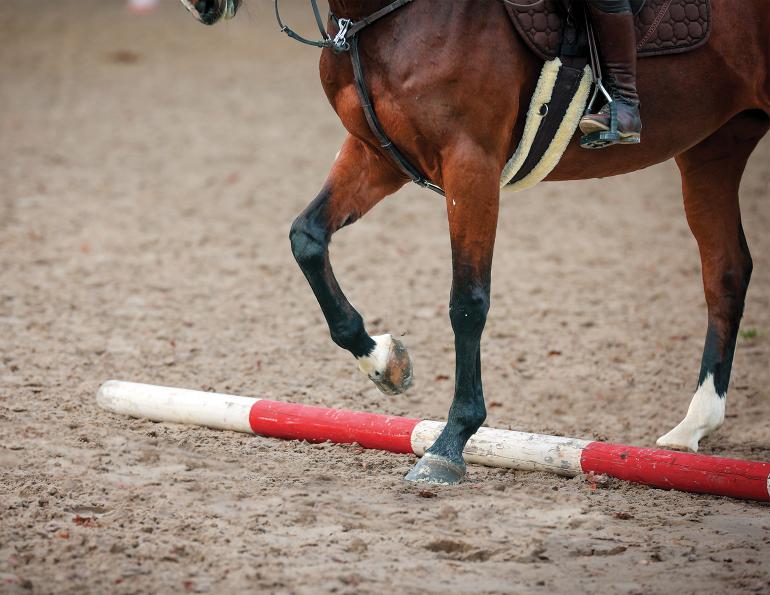
One pole? There is still plenty to do - Simple exercises can sometimes be the most effective because riders are apt to practice them more consistently. And when it comes to movement and fitness, consistency matters above all. I often use the following single pole exercises in clinics because they offer an easy way to derive the postural benefits of pole work without the logistics and effort involved in setting up more complex routines. When you are short on time or dealing with poor weather, these exercises offer a convenient way of ensuring you do not miss the calisthenics your horse needs.

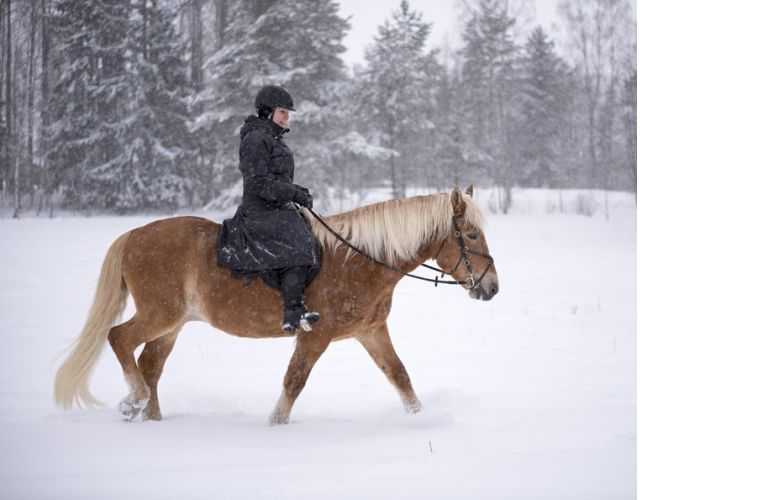
winter horse, riding in winter, training in winter, conditioning horse, keep horse fit winter, horse stretches, carrot stretch

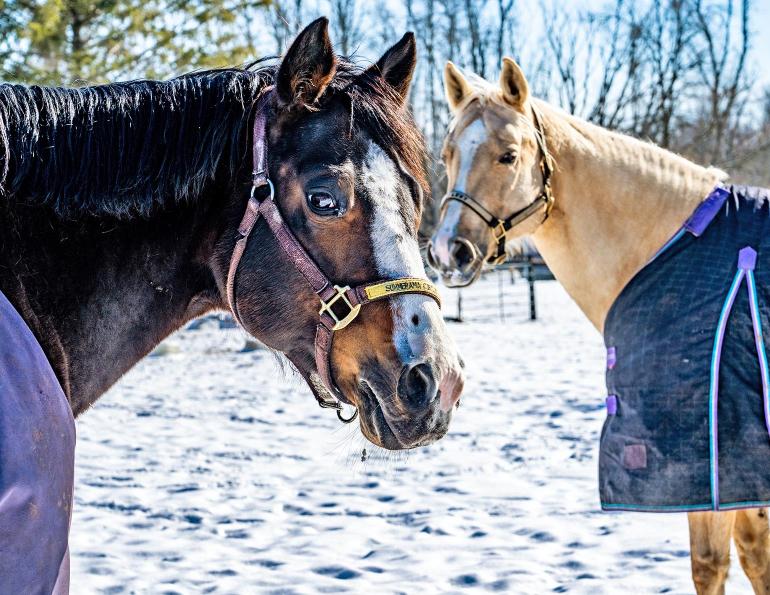
Time off is an inevitable part of a horse's life, whether due to bad weather, personal schedules, or other factors. However, how horse owners manage these breaks can significantly affect their horse’s health, soundness, and performance over time. Research by veterinary colleges and experts on movement science reveals that large fluctuations in fitness can harm a horse’s well-being, especially for those beyond the middle of their teens. Extended periods of low activity—especially those spanning a month or more-can weaken supportive tissues and muscles crucial to posture. When training resumes, horses may use improper substitutive muscles and positions, leading to poor performance, injury, or a lack of training progress. To help you optimize downtime and keep your horse on track, here are three essential guidelines to coordinate breaks effectively and even use them to enhance your horse's training.

teaching a horse self-carriage, horse bulging on circle, horse not responding to rein aids, horse riding a circle, proper alignment horse circles, lindsay grice horse training

Keeping Circles on Track - The equestrian’s quest for the perfect circle crosses all disciplines. For Western and English riders, geometry matters. Horse show judges expect to see circles of uniform size and curves ridden with the horse’s body shaped to follow the arc. In dressage and reining, riders must show a clear distinction between large and small circles. In working equitation, circles around barrels and figure-eights must be symmetrical. In equitation and horsemanship patterns, judges frown on oval-shaped “circles.” In all classes, judges will deduct marks for circles of inaccurate size and over-arced or counter-flexed body alignment.

Pages