66 Articles

horse dehydration, equine sweating, horse overheating

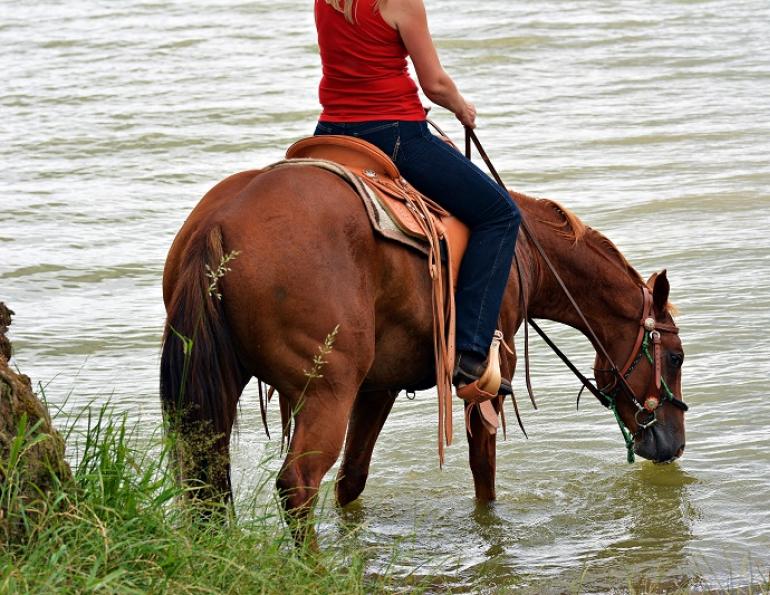
Remember the Electrolytes - As we hit the hottest portion of the summer, we’re witnessing our horses’ attempts to keep cool by sweating. The process of sweating causes a decrease in core temperature through evaporative cooling at the skin surface. As high energy molecules evaporate from the skin, releasing energy absorbed from the body, the skin and superficial vessels decrease in temperature. Cooled venus blood then returns to the body’s core and counteracts rising core temperatures.

brooke usa, brooke for animals, donkeys third world, horses third world, equine welfare standards, world organization for animal health horse standards, oie

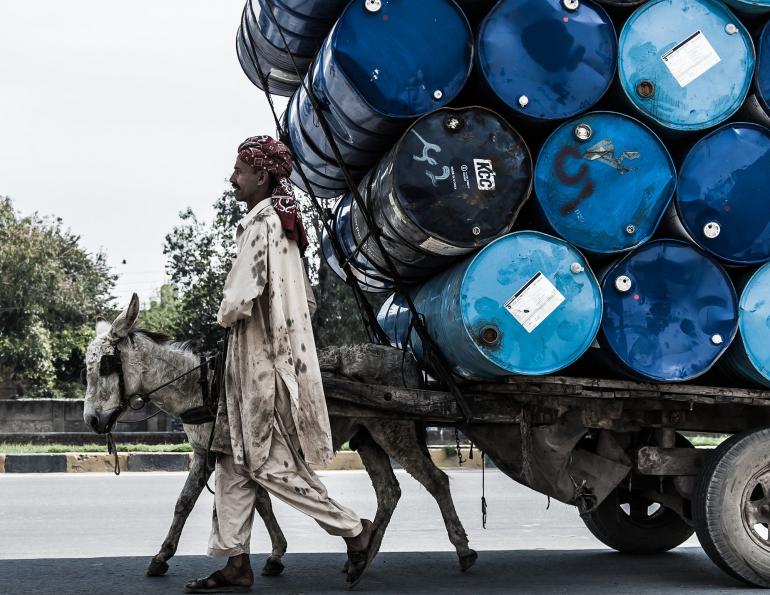
World Organization for Animal Health (OIE) Approves Standards during Assemble in Paris - Brooke USA, the fundraising arm of the world’s largest international equine welfare charity, the Brooke, has announced a huge milestone for Brooke’s global animal welfare and advocacy work. Brooke has been supporting the World Organization for Animal Health (OIE) in developing the standards over the past three years, providing expertise and technical input. 180 countries will commit to undertake the recommendations, which were approved on May 25, 2016 at the World Assembly of OIE Delegates in Paris, during which the OIE for the first time announced the set of welfare standards for working horses, donkey and mules.

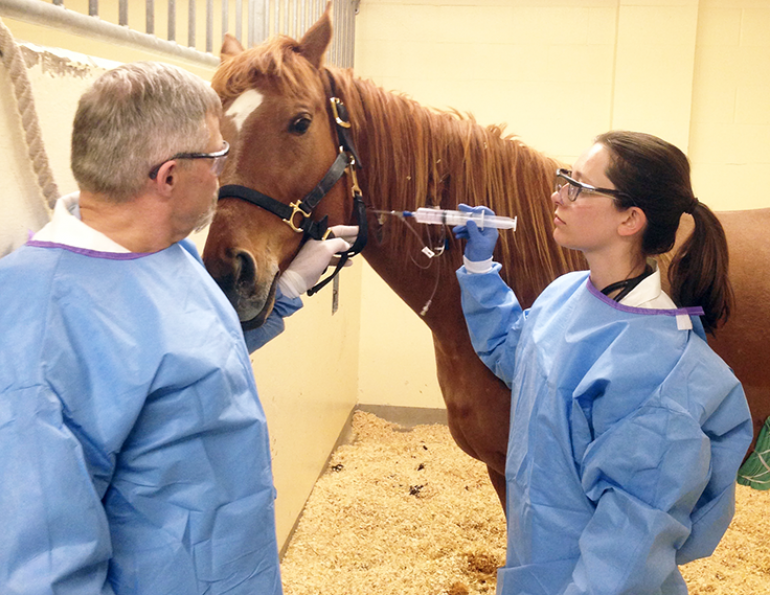
A team of researchers at the Western College of Veterinary Medicine (WCVM) is investigating the potential use of stem cells - an exciting new area of veterinary medicine - on wound healing in horses. “Stem cells in the purest definition are cells that are able to regenerate themselves and differentiate into all cell types,” says Dr. Suzanne Mund, a veterinarian who is a graduate student in the WCVM’s Department of Large Animal Clinical Sciences.

University of Calgary Faculty of Veterinary Medicine Equine Sports Medicine Source High performance equine athletes Dr. Renaud Léguillette Equine Sports Medicine donation Calgary Stampede Paul Rosenberg Dr. Erin Shields

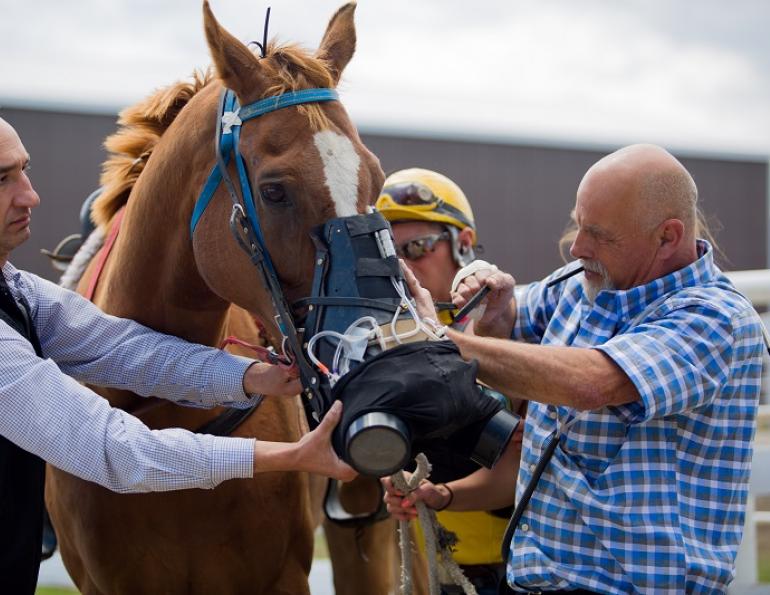
University of Calgary Faculty of Veterinary Medicine launches $1.5 million Calgary Chair in Equine Sports Medicine - High performance equine athletes are like people – they need to be at peak fitness to perform at their maximum. But like any athlete, injuries can occur. How to train horses for top performance while avoiding injury is one issue facing the sport horse industry in Alberta that will be studied further because of a new research chair

half pad, saddle fitting,  jochen schleese, schleese saddle fitting, equine ergonomist, saddlefit for life, schleese, saddle balance, schleese saddle, pommel to cantle

Question: I frequently see half pads being used under saddles, made of either gel, memory foam, or leather. Do you think these pads are necessary or is a properly fitted saddle sufficient to cushion a horse’s back? Answer: There is an old wisdom that a well-fitting saddle should not need anything underneath it, save perhaps a thin cotton pad to protect the saddle from the horse’s sweat.

horse auction, equine auction, how to buy a horse, attend an equine auction, attend a horse auction, karen weslowski

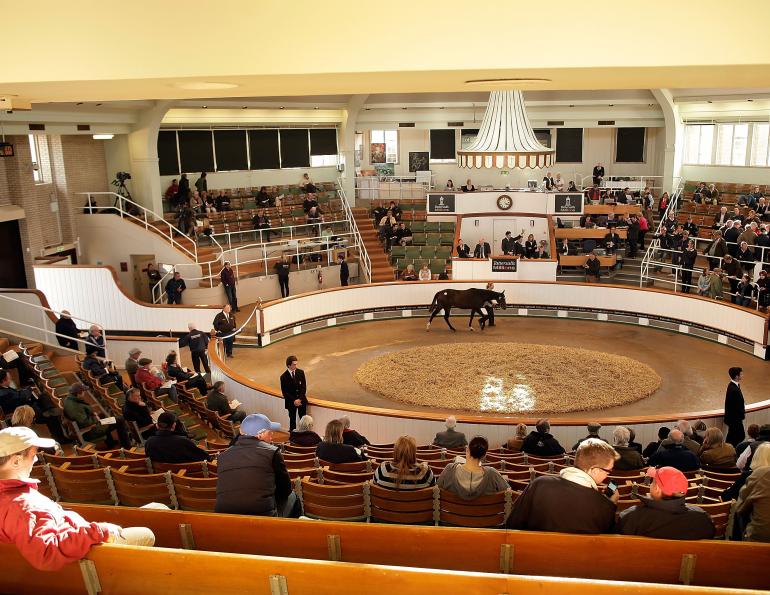
Buying a horse is an important decision that usually involves careful planning, consideration, and research. Buying a horse at an auction can remove or reduce the ability to exercise due diligence in the buying process. “Deals” and good quality horses can be found at auctions; however, when attending an auction, buyers may be overcome with excitement for what appears to be a great bargain or sympathy for an obviously mistreated horse, and make a purchase they later regret. While there is nothing wrong with wanting to score a deal or rescue a horse, auction buyers should be aware of the legal obligations imposed upon buyers, consignors, and auction houses so they can protect their legal rights and, to the greatest extent possible, make informed decisions.

buy a donkey a drink,  brooke usa, mules 3rd world donkeys, third world horses, good charities, charities for animals

Brooke USA launches “Buy a Donkey a Drink” campaign to ease the suffering of 11,500 horses, donkeys and mule - In drought-prone developing countries, survival is difficult enough without the added burden of life-threatening heat stress and exhaustion. That’s true for humans and also for the equine animals who labour alongside them in poverty-ravaged areas to help them earn a livelihood.

horse carriage ban montreal horse ban, quebec horse ban, caleche horses, old montreal horse

Horse-drawn carriages returned to the streets of Old Montreal on Wednesday, May 25, 2016, after Mayor Denis Coderre announced the cancellation of the year-long moratorium he had declared just the previous week. His decision was reversed after a Quebec Superior Court justice granted a temporary injunction to the carriage drivers that would have allowed them to continue working until at least June 3. Calèche drivers, who had been concerned for their livelihoods and those of their horses, are ecstatic with the decision. Drivers had protested with their carriages in front of city hall on May 24, 2016.

Sable Island Horses Drug-Resistant Bacteria wcvm research horse dr joe rubin,

Could bacteria resistant to antimicrobial drugs routinely used in both human and veterinary medicine be found in wild horses on a remote island in the Atlantic Ocean? By answering this question, Dr. Joe Rubin and members of his research team at the Western College of Veterinary Medicine (WCVM) hope to gain a better understanding of how bacteria carrying acquired resistance genes are passed between humans, domestic animals, and wildlife species.

ptsd, Christian McEachern post-traumatic stress disorder Bear Valley rescue ptsd, Christian McEachern post-traumatic stress disorder Bear Valley rescue, equine backcountry horse, equihealth, horse first aid canada, equine first aid

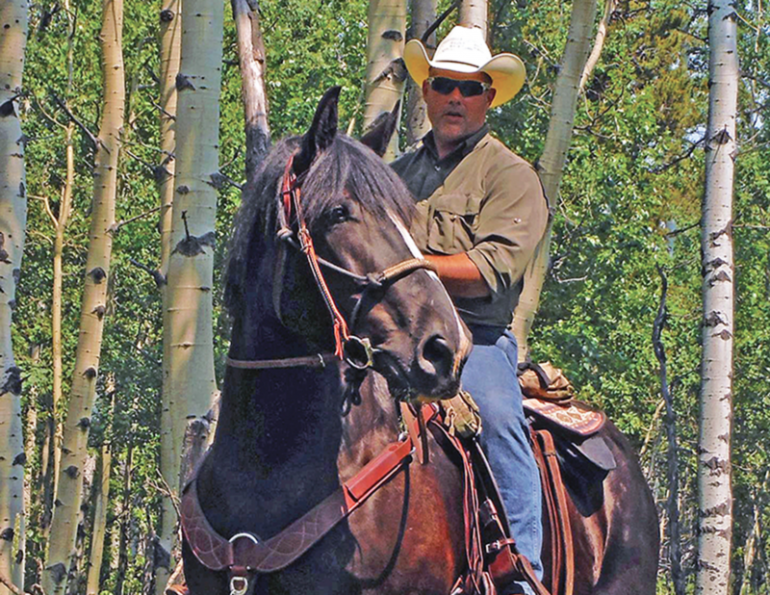
A Veteran Looks At Life Through His Horse’s Ears - “I joined the PPCLI cadet corps at the age of 12 and soon realized that a career in the army was what I wanted to do,” says McEachern. “At 17 I enlisted in the reserves and did my first tour overseas as a peacekeeper in Croatia (former republic of Yugoslavia) with 1st Battalion Princess Patricia’s Canadian Light Infantry. After the tour I transferred to the regular force with the same battalion I served with overseas. In 1995 I was sent to Central Africa with the Disaster Assistance Relief team as security for the medics, headquarters, etc.

equine canada sanctioned drugs, ec drugs, western college of veterinary medicine, wcvm, nsaid horse, previcox, equioxx

Results from a Western College of Veterinary Medicine (WCVM) study have led to a nation-wide change in Equine Canada-sanctioned competition rules regulating the use of the drug firocoxib in performance horses. The national equine sport organization’s rule change regarding firocoxib’s use came into effect on January 1, 2016.

heavy horses, horse heaves, equine heaves, equine asthma, equine roa, horse roa

Sucking air through a straw. Those are the words that many people with asthma use to describe their frightening struggle to breathe during an asthma attack. Now imagine a thousand-pound animal experiencing the same panic-stricken feeling. For a horse, that’s what it’s like during an acute episode of recurrent airway obstruction, or heaves. As the horse’s airways narrow, it increases its breathing effort until it starts to cough.

Western College of Veterinary Medicine WCVM horse bacteria equine asthma, equine chronic obstructive pulmonary disease (COPD), horse heaves

Veterinary researchers at the Western College of Veterinary Medicine (WCVM) in Saskatoon, Saskatchewan are investigating whether certain bacterial populations in a horse’s windpipe can contribute to RAO, or heaves. Motivated by human research on asthma and chronic obstructive pulmonary disease (COPD), large animal internal medicine specialist Dr. Katharina Lohmann has developed the airway microbiome project.

riding helmets, horse helmets, equine helmets, horse safety, equestrian safety, horseback safety

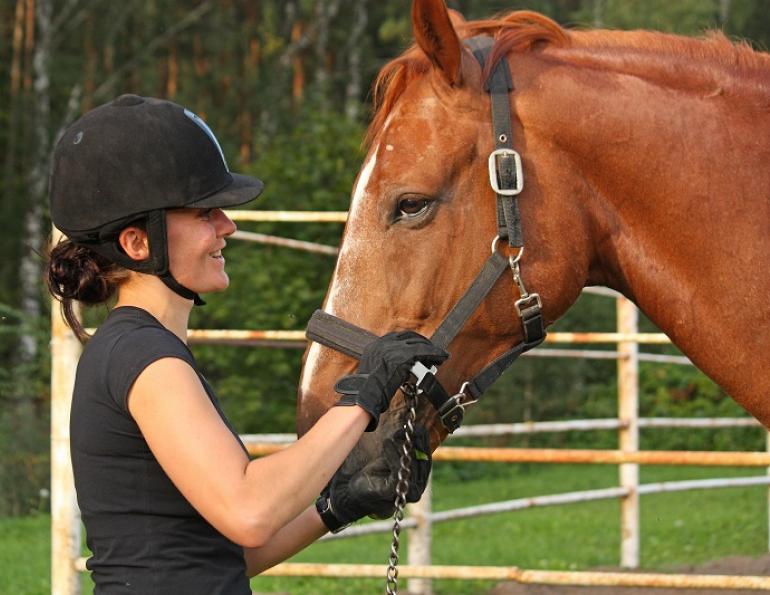
It is commonly said that if you ask ten riders a question, you will get ten different answers. But there is one thing we should all agree on - you should never ride a horse without a helmet. Horses are inherently dangerous due to their natural flight instinct. Even the quietest lesson horse is capable of spooking at an unusual object, and even the most experienced riders have falls.

hores body condition scores horse, Reconditioning Horse, spring horse riding, get a horse fit, horse feed change, equine fitness, horse exercise, overworked horse

As we welcome the transition from winter to spring, we are eager to get back in the saddle and start riding regularly again. Canadian winters are not sympathetic to outdoor riding, and without access to indoor facilities many horse owners have not been able to ride or exercise their horses as much as they would like during the winter months. Bringing horses back into work after their winter vacation must be done gradually by starting at a lower level and increasing the duration and intensity of workouts. At the same time, the horse’s feed should be adjusted to address his present body condition (too thin or too fat) as well as nutrient requirements for the increased workload.

mare is in foal, Foaling Mare, hrose labor, equine labor, delivering a foal safely, theriogenologist, western college of veterinarian, horse twins, vaccinating mare, foaling complication

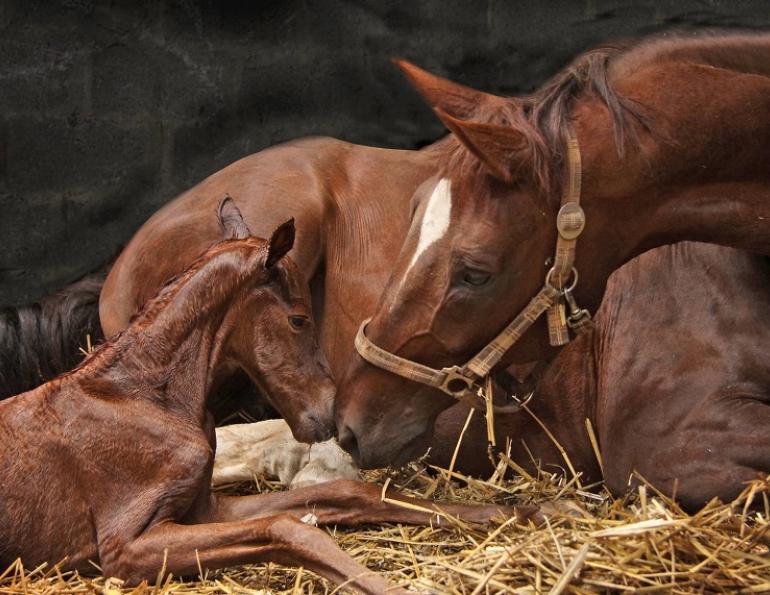
When to Watch - When to Act - Ask anyone who has bred horses, and they’ll tell you it’s no easy feat. However, when it is done properly (and everything goes right), having an energetic and healthy foal is an exciting and rewarding experience. Dr. Stephen Manning is a board-certified theriogenologist and an associate professor at the Western College of Veterinary Medicine (WCVM) in Saskatoon, Saskatchewan.

netf, equine disease, horse disease, aginnovation ontario, university of guelph, newborn foal disease, equine eneritis disease, foal eneritis

Researchers at the University of Guelph have made an equine breakthrough that can change the health of newborn foals. Led by John Prescott, pathobiology researcher and former professor, the research team identified an uncommon, but deadly bacterium that causes necrotizing enteritis disease in very young foals, and has already created a vaccine for further research. For years, an unknown strain of this intestinal bacterium has been killing foals within the first week of life. Prescott and his team have worked for several years to understand the cause of necrotizing enteritis in foals and recently identified the bacterial agent and its deadly toxin, which they have called NetF.

switching horse feed, transitioning horse feed, new horse hay, safely change horse hay, safely change horse feed

When transitioning your horse to new feedstuff – either to a new batch of hay, new pasture or new concentrates – you need to do so slowly to give bacteria in the horse’s digestive tract a chance to adapt to the new feed.Bacterial populations change according to what the horse is eating, and time is required for different bacterial species to colonize the horse’s digestive tract in this new environment. If there is not enough time for the population to adapt, it can cause digestive disturbances, which can lead to colic.

horses children, horses kids, equine therapy, horse therapy, Washington State University, National Institutes of Health, Sue Jacobson, Phyllis Erdman

Do horses help children? More than you think, according to researchers at Washington State University. Young people working with horses experience a substantial decrease in stress. And the evidence lies in their saliva.

horse diet behaviour, equine diet behaviour, horse cribbing, horse wind sucking, wood chewing horses, horse feed sugar, horse feed starch

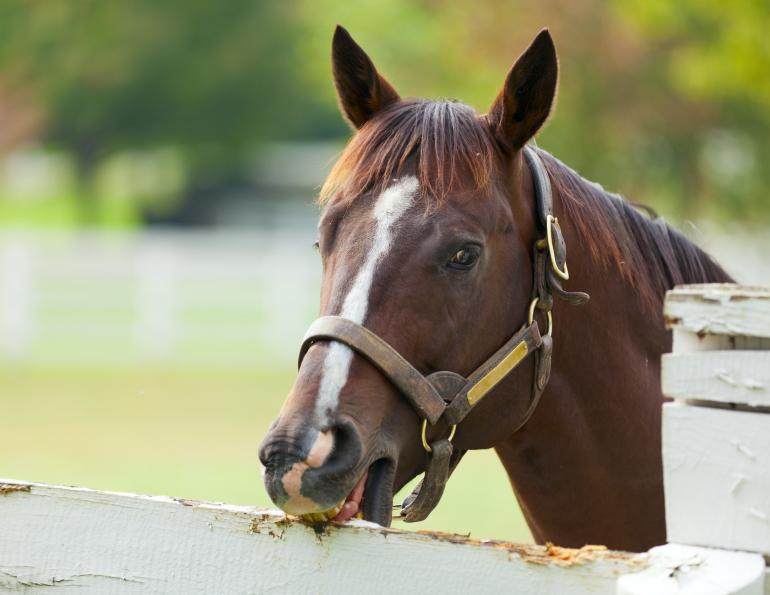
Cribbing is a compulsive behaviour or stereotypy that is bothersome to many horse owners because of the damage it may cause to both the horse and the farm itself. While cribbing, the horse places his upper incisors on the surface of the object, flexes his neck, pulling against the object, and sucking in air. There are many beliefs as to why horses begin and continue to crib. Most believe that horses crib in response to boredom or frustration. Others feel these stereotypies are learned behaviours. While there is evidence of a heritable component to cribbing, studies have shown that very few cases are a result of watching other horses perform these behaviours. A decrease in gastric pH has also been shown to increase the frequency of cribbing in horses.

Pages