Barns & Stables

wildfire prepared, flood prepared, earthquake prepared, Fort McMurray fire, emergency evacuation, natural disasters, emergency preparedness plan, returning home after natural disaster, horse ID, horse safety

Crisis-Ready Horsekeeping: Safety Plans for the Unexpected - Across Canada there is one thing horse owners have in common: We all want what is best for our horses. No matter what discipline we favour, whether we compete or ride just for fun, we all take steps to ensure that our horses are well looked after, happy and healthy. But what about when it comes to preparing for our worst nightmare? At the very least, most barns will have a first aid kit or two and maybe some fire extinguishers. But in the event of a natural disaster like an earthquake, fire, flood or tornado, do any of us have what it takes to make the best of the worst situation? While it’s uncomfortable to think about what would happen if we suffered at the wrath of Mother Nature, we aren’t doing ourselves or our horses any favours by ignoring the possibility of a natural or man-made disaster.

running a horse barn, owning a horse farm, boarding horses, how to board horses, renting riding ring

Horse business owners everywhere know how difficult it is to make money in the horse world. Every equine industry entrepreneur strives to figure out how to build a better and more resilient enterprise that will generate a reliable revenue stream and provide an enjoyable equestrian lifestyle.

help horse survive flies, help horse survive horse flies, help horse survive deer flies, help horse survive black flies, help horse survive face flies, help horse survive house flies, help horse survive mosquitos, paddock pest management, horse flies can cause sweet itch, Barn swallows, bats insect predators, horse care, paddock management

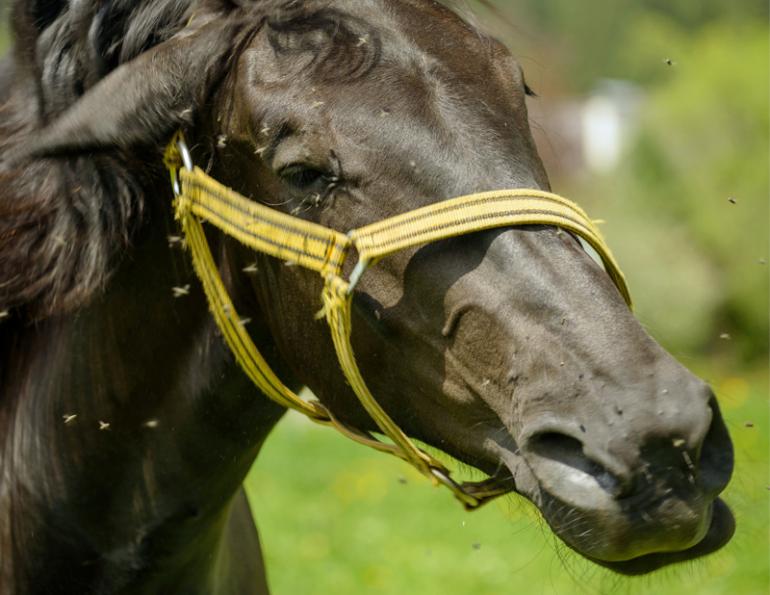
Flies are a familiar seasonal frustration, but for horses, they’re more than just a nuisance—they can lead to constant tail swishing, foot stomping, head tossing, and skin twitching. Beyond being irritating, flying insects such as gnats, midges, mosquitoes, horse flies, deer flies, black flies, face flies, and stable flies pose real threats to equine health by causing skin conditions and transmitting serious diseases.

equine biosecurity, equine guelph, preventing horse diseases, protecting horses public

Biosecurity involves a series of management steps designed to reduce the risk of contagious diseases being introduced to, or spreading within, a horse property. All equine infectious diseases arise through the interaction between the horse, its environment, and disease-causing organisms such as bacteria, viruses, or parasites. The outcome depends on both the animal’s immune defense and the strength of the pathogen—providing key points where intervention can reduce risk.

Across the globe, people are looking for ways to reduce their environmental impact, and for horse owners, this includes making their barns more sustainable. Going green doesn’t just help the planet—it can also lead to significant cost savings, whether you’re outfitting an eco-friendly barn or simply making small, impactful changes.

Across the globe, people are looking for ways to reduce their environmental impact, and for horse owners, this includes making their barns more sustainable. Going green doesn’t just help the planet—it can also lead to significant cost savings, whether you’re outfitting an eco-friendly barn or simply making small, impactful changes.

how do I find a contractor for horse barn? How to choose a contractor for horse barn, things to ask your potential horse barn contractor, building a horse barn

If building a barn is on your horizon, the first step is to make your wish list. Whether it’s a perfect four-stall barn with walk-out paddocks, or a large training and boarding facility, your dream barn will be a major construction project that should create a safe and comfortable home for your horses and their people, both at work and at play.

earning extra income horses, making money horses, tania millen, leasing a horse, composting manure

As property values increase and everyday equine management expenses go up, keeping horses on your own property is becoming more costly. All across Canada, horse and property owners are undertaking myriad activities to make money from their farms and acreages without operating commercial boarding stables or becoming professional coaches. While every potentially money-making activity has benefits and drawbacks depending on the property’s size, layout, and infrastructure, as well as the owner’s interests and talents, there are many options for creating additional income. By implementing a few of the 24 innovative ideas summarized below, owners can start earning additional income from their property to help pay the bills.

enviromentally friendly horse barn, eco friendly horse, eco friendly horse barn, stephanie captein Langley Environmental Partners Society, recycling horse bedding, composting horse manure

Question: I’d like to make my horse facility more environmentally friendly but I’m on a tight budget. What are some inexpensive ways to “green” my barn? A: Going green doesn’t have to mean spending a small fortune. There are many budget-conscious ways to change the way you manage your facility so that your barn and property are more eco-friendly.

perfect horse barn, renovating horse barn, horse barn makeover, horse bank barn, dutch masters construction, horse tack room, horse feed room, horse wash stall, horse barn rubber mats

Are you considering the best way to create the perfect barn to house your horses? Should you construct an entirely new building, or make over an existing structure? There are pros and cons to each option depending on your particular situation, but in many cases even a radical renovation may be preferable to the stress, expense, and time commitment of a new construction project.

buy a horse property, horse properties canada, equestrian properties canada, how to buy a horse farm, owning a horse

Many people dream of leaving the city behind for the slower pace and more natural lifestyle of the countryside. The yearning for country living may be driven by the dream of keeping your horses at home, owning other livestock, developing a large garden, and enjoying a healthier way of life. But this idealized vision of rural life may not reflect reality for you and your family. There are many practical, environmental, and legal considerations to sort through, not to mention the financial costs. So before dropping a down payment on a piece of property, you have some homework to do, and there are some important factors to consider that might save you big headaches later on.

Pages